When cleaning slate floors, you want mops that lift dirt without scratching the stone’s natural surface. The following picks are selected for slate-friendly performance, easy wringing, and safe use with natural stone sealants. Best for: homeowners who want a hands-free wringing option, a versatile spray mop, or a long-reach twist mop. This guide also includes a stone-specific cleaner to maintain luster without residue.
Summary of selected products
- O-Cedar EasyWring Microfiber Spin Mop (Standard) — hands-free wringing, safe on all hard floors.
- CLDREAM Spray Mop for Hardwood Tile Floor — large capacity water tank, adjustable head for tight spots.
- KeFanta Self-Wringing Twist Mop — long 57″ handle, microfiber with scrub pad.
- O-Cedar EasyWring Microfiber Spin Mop & Bucket System + 2 Refills — extra refills for continuous cleaning.
- Black Diamond Stoneworks Natural Stone Cleaner — pH-neutral formula for slate and other natural stones.
O-Cedar EasyWring Microfiber Spin Mop (Standard)

Best for: budget-conscious buyers who want hands-free wringing and a reusable microfiber head. Why chosen: the built-in wringer and Splash Guard keep hands dry and reduce splashing while cleaning slate floors. The microfiber is designed to capture dirt with plain water, limiting chemical exposure on slate. Limitations: mop heads require periodic replacement for optimal results, typically every few months depending on use.
CLDREAM Spray Mop for Hardwood Tile Floor
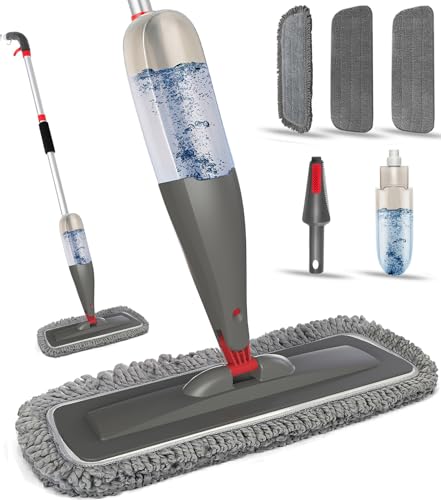
Best for: users who want a spray-mist approach without batteries and a large refillable bottle. Why chosen: the 800 ml tank allows custom cleaning solutions, enabling safer, slate-friendly cleaning with minimal moisture. The extra-large mop head accelerates coverage and reaches corners easily. Caution: ensure the water tank is not overfilled to avoid dripping onto slate seams.
KeFanta Self-Wringing Twist Mop

Best for: slate floor owners who want a long reach and hands-free wringing with a sturdy microfiber head. Why chosen: the 57″ handle reduces bending, and the built-in wringer minimizes moisture contact with stone surfaces. The included scrub pad helps tackle stubborn grime on slate. Limitation: check compatibility with slate sealants and avoid overly aggressive scrubbing that could wear down grout lines over time.
O-Cedar EasyWring Microfiber Spin Mop & Bucket System + 2 Refills

Best for: slate cleanup routines that benefit from extra mop refills and proven water wringing. Why chosen: this system provides hands-free wringing and a reusable mop head that is machine washable, making it practical for frequent slate cleaning. It is safe on hard floors, including slate, when used with plain water or mild cleaners. Caution: replace refills every few months for best results and to prevent dirt buildup.
Black Diamond Stoneworks Natural Stone Cleaner

Best for: slate owners who want a pH-neutral, residue-free cleaner for routine maintenance. Why chosen: formulated for natural stone floors, it helps preserve the stone’s finish after mopping and reduces dulling. Caution: avoid using harsh acidic cleaners that can wear sealants over time.
Buying Guide: Key Purchase Considerations For Slate Floors
- Watering needs: Slate benefits from controlled moisture. Choose mops with wringing systems or spray mops to prevent excessive water exposure to grout and sealants.
- Head material: Microfiber provides strong dirt pick-up with plain water; ensure heads are labeled safe for stone surfaces.
- Drainage and splash control: Look for Splash Guards or features that minimize moisture transfer to grout lines and prevent surface etching.
- Refills and maintenance: Reusable refills save cost; ensure the system supports machine washing if you plan frequent cleanups of slate floors.
- Cleaning solutions: For slate, use pH-neutral cleaners or water-only approaches when possible. Avoid acidic or highly alkaline cleaners that can affect sealants.
- Size and reach: For large slate areas, consider a long-handled mop and a wide head to reduce cleaning time.
- Edge and corner access: swiveling heads help reach around cabinets and along baseboards without scrubbing aggressively.
FAQ
- Q: Can I use any mop on slate floors? A: Use microfiber or soft-surface mops with neutral cleaners or water to avoid dulling sealants or scratching the stone.
- Q: How much moisture is safe for slate? A: Avoid soaking the floor; use damp mops or spray mops to prevent water from seeping into grout lines.
- Q: Are there cleaners specifically for slate? A: Yes, pH-neutral stone cleaners are designed to be safe for natural stone like slate and preserve its finish.
- Q: How often should I replace mop heads or refills? A: Replace based on wear and frequency of use; microfiber refills should be replaced when cleaning performance declines.
- Q: Is a bucket necessary for slate cleaning? A: Not always; spray mops or auto-wring mops can minimize water use while cleaning slate effectively.
- Q: Should I seal slate floors after cleaning? A: If your slate is sealed, continue using sealant-safe cleaners and follow manufacturer recommendations for resealing intervals.