Direct answer: for campervan setups, lithium iron phosphate (LiFePO4) batteries offer longer lifespans and lighter weight, while high-quality AGM batteries provide reliable performance at a lower upfront cost. This guide explains the best fits for different campervan scenarios and compares five strong choices to help you pick the right energy storage for off-grid living, camping trips, and mobile work setups.
Buyer types this guide serves best: full-time van lifers seeking long-term reliability and lightweight autonomy; weekend campers who want easy installation and good run-time; and off-grid travelers who need robust performance in varied climates. The following table summarizes the five recommended products, highlighting who they’re best for and why they stand out.
| Product | Best For | |
|---|---|---|
| LiTime 2-Pack 12V 100Ah LiFePO4 Battery (Group 31) | Full-time RVers seeking long life | Up to 15,000 cycles, lightweight, ETL safety certification |
| LiTime 12V 320Ah Mini LiFePO4 Battery | Max power in tight spaces | 2560W peak, 4096Wh, Bluetooth monitoring, compact |
| Power Queen LiFePO4 Battery 12V 100Ah | Long-term off-grid solar users | Up to 15,000 cycles, 1280Wh, drop-in Group 31 |
| Interstate Batteries Marine/RV 12V 100Ah AGM | Budget-friendly, dual-purpose power | Dual-purpose design, long life, robust for boats and RVs |
| WEize Deep Cycle AGM 12V 100Ah | Solid all-around option | Maintenance-free AGM, low self-discharge, versatile |
LiTime 2Packs 12V 100Ah LiFePO4 Battery — Group 31
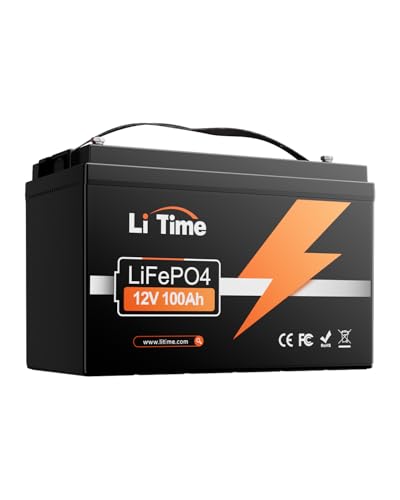
Best for: campers and RVs that need long life with lighter weight. This LiTime battery uses Grade A LiFePO4 cells, offering higher energy density and stable performance. It features ETL testing standards for safety in automotive use and claims up to 15,000 cycles at various DoD levels, with a 10-year lifetime expectation. The module weighs around 24.25 lbs per battery, making it a third of the weight of typical lead-acid equivalents. The 100Ah capacity provides robust daily run-time for lights, fans, and small appliances when paired with a solar array or generator.
Key reasons to choose: high cycle life translates to fewer replacements; lighter weight improves vehicle handling and installation flexibility; built-in safety features reduce risk in mobile environments. Best for: van dwellers prioritizing long-term reliability and easier transport of batteries on and off the van.
Caution: data notes emphasize a long-term cycle claim; ensure your voltage and charging system support LiFePO4 charging profiles to maximize lifespan.
LiTime 12V 320Ah Mini LiFePO4 Battery

Best for: campers needing maximum energy in a compact footprint. This 320Ah LiFePO4 pack offers up to 4096Wh and a 2560W peak, enabling longer fridge runs, climate control, and multiple appliances without frequent recharging. Bluetooth 5.0 integration allows app-based monitoring of voltage, state of charge (SOC), and performance, reducing the need for wired monitoring hardware. The battery is light for its capacity, helping with transport and installation in tight spaces.
Why selected: superior energy density and a compact form factor make it ideal for roof-mounted or under-counter placements in smaller vans. The built-in BMS provides protection against overcharge and over-discharge.
Limitations: Bluetooth monitoring requires a compatible app setup; ensure your system supports LiFePO4 charging profiles and wiring standards for safe operation.
Power Queen LiFePO4 Battery 12V 100Ah

Best for: RV and marine owners seeking a reliable, longer-life lithium option with straightforward installation. The Power Queen 100Ah battery uses LiFePO4 chemistry with a claimed depth of discharge up to 100% and up to 15,000 cycles under favorable conditions, paired with a Group 31 footprint for easy swap-in compatibility. It emphasizes higher energy density and safe operation with a robust BMS.
Why selected: its combination of cycle life, safety, and standard sizing makes it a practical upgrade from lead-acid, particularly for solar-equipped vans that need dependable daytime power and quiet operation at night.
Limitation: as with many LiFePO4 products, charging compatibility with non-LiFePO4 chargers can affect performance; verify charger settings before use.
Interstate Batteries Marine/RV 12V 100Ah AGM

Best for: budget-conscious buyers needing a dual-purpose, rugged option suitable for both motor starting and powering RV accessories. This AGM battery is designed to handle high current for cranking and deep cycles, with a focus on durability in marine and RV environments. It aims to provide a balance between cost, reliability, and versatility for mixed loads.
Why selected: widely available, dual-purpose design supports starting and deep-cycle needs, reducing the number of separate battery types on board. This makes it a strong choice for those who want straightforward maintenance with solid performance.
Caution: AGM depth and cycle life can vary with use; ensure you don’t regularly discharge too deeply beyond recommended DoD to maximize life.
WEize Deep Cycle AGM 12V 100Ah Battery

Best for: off-grid setups and portable power where maintenance-free operation matters. This AGM option from WEize emphasizes low self-discharge and a broad operating temperature range, making it a versatile choice for camping, trolling motors, wind or solar-powered campsites, and temporary off-grid cabins.
Why selected: the low self-discharge rate helps in longer storage between uses, and the AGM construction reduces maintenance and the risk of spillage. It’s a strong all-around performer for mixed campervan loads.
Limitation: AGM batteries typically have a higher weight-to-capacity ratio than LiFePO4, so plan for weight if you’re optimizing payload in a van interior.
Buying Guide: Key Purchase Considerations
- Battery chemistry: LiFePO4 vs AGM. LiFePO4 offers longer cycles, lighter weight, and deeper DoD with safer chemistry. AGM is generally lower cost upfront and well-suited for simpler, mixed-use rigs.
- Capacity and depth of discharge: match to your daily draw. For van life, aim for enough usable capacity to cover nights without full recharging each day.
- Weight and space: LiFePO4 packs are significantly lighter per watt-hour, an important factor in small vans with limited storage.
- Charging compatibility: ensure your charger, solar controller, and inverter support LiFePO4 charging profiles if you choose LiFePO4. AGM is more forgiving with older charging setups.
- Durability and environment: consider temperature tolerance, BMS protections, and mounting considerations for rugged mobile use.
- Install and maintenance: maintenance-free options save time; double-check mounting, ventilation (for sealed packs in small compartments), and wiring cleanly.
FAQ
- What battery is best for a campervan under a small solar setup? LiFePO4 batteries are typically best for long-term solar-dominated setups due to high cycle life and stable performance, though high-quality AGM can work well for tighter budgets.
- Is a 100Ah LiFePO4 battery enough for a typical nightly campervan load? It depends on your daily draw. For fridge, lights, and fans, 100Ah can suffice with moderate, daytime solar recharging. For heavier loads, consider a higher total capacity or a second battery.
- Do I need a special charger for LiFePO4 batteries? Yes. LiFePO4 requires charging profiles specific to LiFePO4 chemistry. Using a standard lead-acid charger can reduce battery life.
- Are AGM batteries reliable for marine and RV use? Yes, AGM offers rugged, maintenance-free operation and is a solid choice for dual-purpose needs, with cost advantages for some users.
- How do I decide between 2x 100Ah LiFePO4 and a single 320Ah pack? Two 100Ah packs offer modular flexibility and easier replacement; a single 320Ah pack reduces wiring complexity. Both can support long off-grid periods when sized correctly.
- What is “DoD” and why does it matter? DoD stands for Depth of Discharge. A higher DoD rating means you can use more of the battery’s capacity before recharging, extending usable energy per cycle and reducing the need for frequent recharge.