Answering your need for a compact, versatile camera with interchangeable lenses, these picks balance size, performance, and lens flexibility. They suit beginners seeking ease of use, vloggers needing quick setup, and creators who want travel-friendly kits without sacrificing image quality. Below, you’ll find five strong options with clear use cases and practical trade-offs.
| Product | Best For | Why It Shines |
|---|---|---|
| Canon EOS Rebel T7 DSLR Camera Double Zoom Lens Kit | Beginner photographers | A solid starter DSLR with two versatile zoom lenses, intuitive controls, and built-in Wi‑Fi for sharing. |
| Sony Alpha a6400 | Hybrid shooters | Fast autofocus, compact body, solid 24MP APS-C sensor, and reliable 11fps shooting for stills and video. |
| Sony ZV-E10 | Vloggers and creators | Creator-focused features, 24.2MP APS-C sensor, 4K video, and user-friendly interface for quick content. |
| Sony ZVE10 II | Content creators with advanced needs | Improved sensor and features for video, strong color science, and broad E-mount lens compatibility. |
| Canon EOS R50 | Travelers and vloggers | Compact, lightweight with an adaptable RF lens system and helpful video features for on-the-go shooting. |
Canon EOS Rebel T7 DSLR Camera Kit

Best For: Beginning photographers who want a straightforward stills camera with basic video capability. The Rebel T7 offers a 24.1MP APS-C sensor and included zooms that cover wide to mid ranges, making it easy to learn composition and exposure without lens-swapping complexity.
Why Selected: This kit provides a complete starter experience with two versatile lenses and user-friendly controls. It also features built-in Wi‑Fi and NFC for quick sharing, suitable for first-time buyers who appreciate an all-in-one package.
Limitations: It uses an older DSLR design and lacks on-sensor phase detection accuracy of newer mirrorless options, which can be slower in focusing during action scenes.
Sony Alpha a6400 Mirrorless Camera
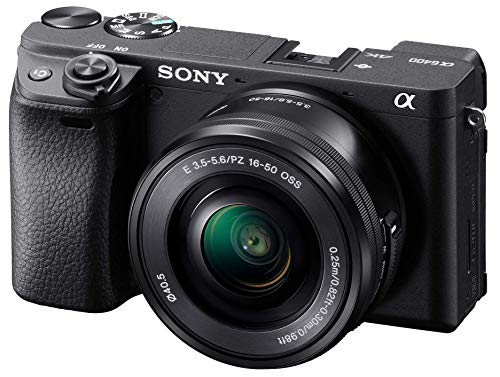
Best For: Hybrid shooters who want reliable autofocus and a compact body for travel. The a6400’s 24.2MP APS-C sensor, fast AF with 425 phase-detection points, and solid continuous shooting make it a versatile all-rounder.
Why Selected: It balances portability with performance, offering robust tracking and color accuracy. The included lens options and broad ecosystem make it a flexible choice for both photography and video work.
Limitations: The kit lens can feel limiting in low-light situations; consider adding a fast prime lens for better background separation.
Canon EOS R50 V Mirrorless Camera (Body Only)
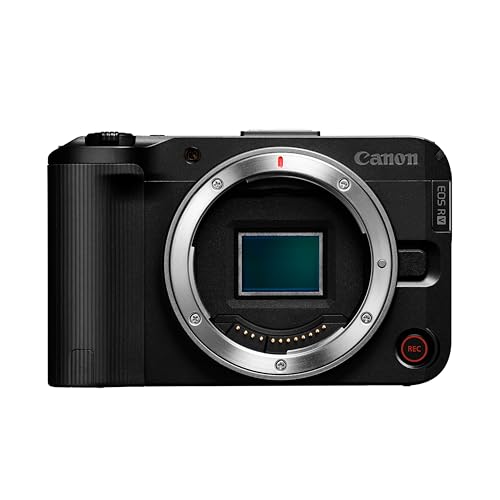
Best For: Content creators who want a compact mirrorless option with easy-to-use video tools. The R50 emphasizes creator-friendly features and a modern interface, suitable for on-the-go filming and streaming.
Why Selected: The body focuses on effortless operation with adjustable video modes and a friendly UI, making it a good stepping stone for those upgrading from entry-level kits. Lens flexibility with RF/S series can grow with you.
Limitations: As a body-only option, you’ll need to budget for a lens to unlock its full potential; the RF lens lineup may require newer accessories for some buyers.
Canon EOS RP Full-Frame Mirrorless Camera Kit

Best For: Travelers and vloggers who want a full-frame look in a compact body. The RP kit combines a lightweight frame with a versatile zoom lens for varied shooting scenarios.
Why Selected: The RF 24-105mm lens offers a practical focal range with image stabilization potential, enabling better low-light performance and sharper handheld results in a compact package.
Limitations: Being a full-frame model, it is relatively larger and pricier than some APS-C options, and battery life may be shorter in heavier use scenarios.
Canon EOS R50: Best for Short-Form Video
Sony ZVE10 II: Advanced Vlog-Ready APS-C

Buying Guide: Key Considerations For Interchangeable-Lens Mini Cameras
What matters most when choosing a small camera with interchangeable lenses? Consider sensor size, autofocus performance, video capabilities, and lens ecosystem. If you primarily shoot photos in varied light, aim for a camera with a good ISO range and reliable AF tracking. For video, look at 4K options, color profiles, and microphone options. Lens availability and weight will shape your travel experience and creative options.
Is Mirrorless Better Than DSLR For Travel?
Yes, generally. Mirrorless systems tend to be lighter, more compact, and offer faster autofocus in most modern models. They also provide a growing lineup of compact lenses and better live-view screen performance for vlogging and self-recording.
What About Lenses To Start With?
For versatility, start with a standard zoom (roughly 24-70mm or 28-70mm equivalent). If you shoot portraits, a fast prime in the 50mm range helps with subject isolation. For travel, a wide-angle lens (16-35mm or 18-55mm) expands landscape and architecture options.
How Important Is In-Body Image Stabilization?
IBIS helps during handheld shots and low-light photography. If a body lacks IBIS, pair it with stabilized lenses or rely on faster shutter speeds to reduce blur.
How Do I Choose Between APS-C and Full-Frame?
APS-C cameras are typically smaller, lighter, and more affordable—great for beginners and travelers. Full-frame bodies (like the RP) deliver superior low-light performance and dynamic range but cost more and may require larger lenses and bags.
What Safeguards Should I Consider?
Check for reliable after-sales support, compatible lens options, and firmware update frequency. A robust community and good tutorials help new users quickly master settings and features.
Practical Quick-Comparison Table
- Canon Rebel T7: Best for absolute beginners, simple kit, budget-friendly.
- Sony a6400: Best for balanced photo/video with strong autofocus.
- Sony ZV-E10: Best for vloggers with easy video features.
- Sony ZVE10 II: Best for creators needing advanced video tools.
- Canon EOS R50: Best for travel and seamless lens upgrades.
Frequently Asked Questions
- What is the most compact interchangeable-lens camera?
– Mirrorless models like the Sony ZV-E10 or Canon R50 offer compact bodies with strong performance. - Do I need a lot of lenses to start?
– A versatile zoom kit plus a fast prime (50mm) cover most everyday needs. - Is 4K video available on these cameras?
– Yes, several options in this list offer 4K capture, including the Sony ZV-E10 and a6400. - Are Full-Frame cameras worth it for beginners?
– They provide better low-light performance but are larger and pricier; APS-C models are often more beginner-friendly. - Which camera is best for travel?
– Canon EOS R50 or Sony a6400 strike a good balance of size, weight, and performance for travel use.