Whether you manage horses, cattle, poultry, or wildlife control on farms and rural properties, a dependable 12V electric fence energiser is essential. This guide highlights five top options that balance power, versatility, and weather resistance, helping you choose the right unit for your needs. The selections favor users who need off-grid performance, easy battery hookup, or multi-source power compatibility. Read on to compare practical strengths, best-use cases, and potential limitations for each energiser.
Summary of selected products
| Product | Best For | Power & Range | Key Benefit |
|---|---|---|---|
| X-Stop BA80 12V | Remote locations, horses | 0.6 J, up to 10 km | Complete kit, weatherproof |
| LIFENCE AC/DC 2-in-1 | Flexible power, large areas | 2 J, up to 10 miles | AC or DC or solar compatibility |
| Redants 12V/12KV Plug-in | Livestock farms with signs | 2 J, 12 KV output | Includes warning signs and conductors |
| Gemi Elettronica 12V | Budget-lean operations | 5 KM range, 10,000 V | Compact, strong voltage |
| Parmak MAG12-UO | Long-running battery setups | 30-mile range | Built-in performance meter |
X-Stop 12 Volt BA80 Electric Fence Energiser

The X-Stop BA80 is a 12V electric fence energiser kit designed for remote installations. It ships as a complete kit with an earth stake, earth lead, fence connection clip, and cables to connect to a battery. Best for horse pastures or small herds where mains power is unavailable. The unit uses crocodile clip battery connectors for quick setup to a 12V car or leisure battery (not included).
Why it’s a fit: Best for buyers who want a ready-to-run kit and straightforward battery connections. The BA80 is built with weather resistance (IP64) and a rugged ABS case for durability in field conditions.
Limitations: Technical data emphasizes durability over high output; consider higher joule options if you need longer or more challenging fencing layouts. Best used with proper ground rods and routine maintenance to sustain performance over seasons.
AC/DC 2-in-1 Power Supply Electric Fence Energizer

This energiser is designed for up to 40 acres with a 2 Joule output and a one–device capability for AC, 12V battery, or solar power. It supports off-grid setups and includes grounding and troubleshooting guidance. It’s suitable for larger properties where flexibility in power sources matters and where you expect year-round operation in varying climates.
Why it’s a fit: Best for users who want multi-source power, including solar, and an energiser that can adapt to changing site conditions. Real-time indicators help with quick diagnostics.
Limitations: The setup guidance notes the need for proper grounding with copper-bonded rods and careful wiring. It may require more space and maintenance than compact units.
Redants Electric Fence Charger 12V to 12KV

Redants offers a 12V input with 12KV output in a compact form factor, designed to power fences up to 120 or 70 acres depending on conditions. It includes warning signs and conductive wire, making it a practical choice for livestock protection and predator deterrence in larger pastures.
Why it’s a fit: Best for buyers who want a ready-to-deploy system with included safety signage and wiring components. The 1-second pulse interval provides consistent energy delivery for durable fencing performance.
Limitations: As with many high-kV models, efficiency depends on fence layout, vegetation management, and correct grounding. Ensure compliance with local guidelines for warning signage and fence voltage.
Gemi Elettronica 12V Battery Energiser 5 KM

Gemi Elettronica’s 12V battery-powered energiser advertises a 5 KM range and strong voltage output suitable for a variety of animals. It is compact, offering a practical option for smaller operations or portable fencing setups. Best for quick deployments where space and weight are priorities.
Why it’s a fit: Choose this if you need a lightweight, strong-voltage energiser for moderate fencing tasks and easy transport between locations. It’s a solid middle-ground option when space is limited.
Limitations: The short description doesn’t detail weatherproofing or prolonged low-temperature performance; consider protective housings for exposed installations.
Parmak MAG12-UO 12V Magnum 30-Mile Range
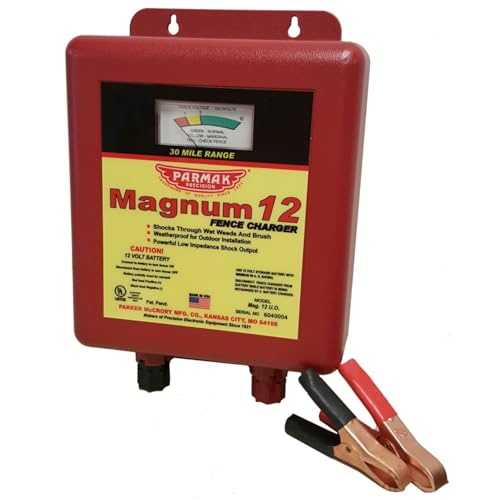
Parmak MAG12-UO delivers a 12V magnum low-impedance system with an expansive 30-mile (range) capability. It includes a built-in performance meter to monitor fence health and can operate for extended periods between battery charges. Best for long-running installations where visibility into fence status matters.
Why it’s a fit: Best for buyers who want detailed performance feedback and long operation between charges. The meter helps prevent hidden issues before they affect fencing reach.
Limitations: It may be more suitable for larger setups given its forward planning needs and potential heavier configuration compared with compact units.
Watpumper 10 Joule Electric Fence Charger

This charger offers adjustable output with 9KV, 12KV, or 15KV settings and 10 joules of stored energy. It supports both AC and DC power sources, offering flexibility for off-grid sites and farms with varying electrical infrastructure. Best for users needing adjustable voltage and a broad application range.
Why it’s a fit: Choose this if you want to tailor the output to different fence lengths, livestock types, or vegetation conditions. The dual power compatibility is useful for seasonal changes in power availability.
Limitations: The higher voltage and energy settings require careful handling and appropriate safety measures to prevent injury or fence damage during setup and maintenance.
Redants 12V to 12KV Plug-in Energizer (Second Listing)
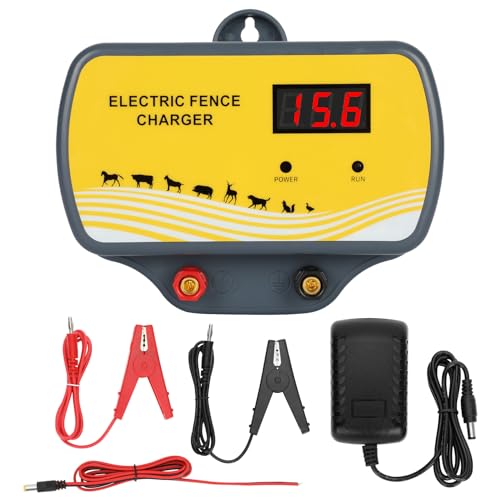
This Redants model emphasizes reliability for wildlife control and intruder prevention on larger properties. It matches a similar design to other Redants units with robust output and broad coverage, suitable for varied climates and temperature ranges.
Why it’s a fit: Best for buyers prioritizing high-kV output and a robust design for challenging outdoor environments.
Limitations: Ensure you follow grounding and safety guidelines to maximize effectiveness and minimize stray current or nuisance shocks to non-target animals.
Buying Guide: How to Choose a 12V Electric Fence Energiser
- Fence length and target animals: Longer runs and larger animals typically require higher joule output or longer-range energisers. For horses and cattle, plan for dependable output over several acres.
- Power source flexibility: If mains power is unavailable, prefer AC/DC or solar-compatible models. Battery compatibility matters for portable or remote installations.
- Weather resistance: Look for IP ratings and rugged enclosures if the unit will sit outdoors in rain, dust, or extreme temperatures.
- Grounding and safety: Proper grounding with copper-bonded rods improves performance and reduces stray currents. Always follow manufacturer grounding guidelines.
- Monitoring features: Some models include status indicators or performance meters. These help diagnose issues quickly and maintain fence integrity.
- Installation complexity: Complete kits with leads, clips, and stakes save time but ensure you can route cables safely and avoid hazards.
- Maintenance needs: Regular inspection of wires, vegetation, and ground connections prolongs system life and consistency of shocks.
FAQ
- What is a typical use for a 12V energiser? It powers electric fences for livestock control, predator deterrence, and perimeter protection, especially where mains power is not available.
- Do I need additional components? Most kits include essential accessories, but you may need extra ground rods, cables, or signs depending on your site.
- Can these energisers power large areas? Some models are designed for up to several dozen miles of fence or tens of acres; check the product’s output and recommended coverage.
- Is solar power compatible? Many models support solar or hybrid configurations; verify the manufacturer’s guidance for compatibility and grounding requirements.
- What safety precautions are required? Always disconnect power during installation and maintenance. Keep hands away from the energized fence and follow local regulations for signage and fencing.
- How do I know my fence is working? Use models with real-time indicators or built-in meters to verify voltage at various points along the fence.