Answering the question “which ancestry DNA test is right for me?” this guide compares top kits for discovering origins, ethnicity estimates, and family connections. It highlights consumer-friendly options for varied needs—whether you want deep ethnicity breakdowns, relative matching, or additional health and trait insights. The top picks suit different buyers: family historians seeking broad regional results, casual genealogists chasing relative finds, and health-minded users exploring genetic traits.
Summary of suggested products:
- AncestryDNA + Traits Genetic Test Kit (AncestryDNA) — best for deep ethnicity history and trait insights.
- AncestryDNA Genetic Test Kit + 3-Month Ancestry World Explorer — best for robust family-history research and short-term membership.
- MyHeritage DNA Test Kit — best for broad regional coverage and relative matching across platforms.
- 23andMe Ancestry Service — best for broad geographic resolution and trait reports.
- FamilyTreeDNA Family Finder — best for detailed chromosome-based insights and deep genealogical tools.
AncestryDNA + Traits Genetic Test Kit

Overview: This top-selling DNA test covers origins in 3,600+ places worldwide and adds 75+ genetic traits. It emphasizes interactive ancestry reports and trait insights to explain how genes might influence appearance and preferences. Best for buyers who want both ethnicity history and curiosity-driven trait data.
What makes it stand out: The kit offers extensive ethnicity breakdowns and connections to living relatives, paired with clear control over genetic data sharing. The trait component helps users explore characteristics like hair, taste, and sensory traits. The test is suitable for users who value both ancestral mapping and personal trait exploration.
Who it’s best for: Families seeking a well-rounded picture of origins and trait traits, plus strong relative matching. Also good for users who want straightforward data control and privacy options.
Cautions or limitations: Results depend on reference populations and may shift as databases expand. Trait reports are exploratory and should be interpreted as curiosity-driven insights rather than medical guidance.
AncestryDNA Genetic Test Kit + 3-Month World Explorer

Overview: This kit highlights 3,600+ regions with strong family-history capabilities. The included World Explorer membership unlocks billions of historical records, expanding research beyond the test results. It is a solid option for genealogists focused on practical research access.
What makes it stand out: A blend of genetic results and an immediate gateway to historical records accelerates family-history discovery. The kit emphasizes user control over data sharing and online result access, with a straightforward setup process.
Who it’s best for: Buyers who want a robust mix of DNA results and a first-step membership to a large archive of records for building family trees.
Cautions or limitations: The 3-month membership is time-limited; continuing access requires a renewed plan. Turnaround for results remains similar to other Ancestry kits, typically several weeks.
MyHeritage DNA Test Kit

Overview: MyHeritage DNA covers 2,114 geographic regions and emphasizes DNA matching to relatives across both parental lines. The kit includes a cheek swab with a simple two-minute collection.
What makes it stand out: It offers a broad regional breakdown and a strong emphasis on relative matching to help users discover unknown relatives. The platform’s family-history tools complement the DNA results for a practical genealogical path.
Who it’s best for: Users seeking wide regional coverage and easy relative matching, especially those exploring both sides of the family with accessible online tools.
Cautions or limitations: Regional coverage, while extensive, may differ in depth compared to some competing services. Some users may prefer additional health or trait data not included in this kit.
23andMe Ancestry Service
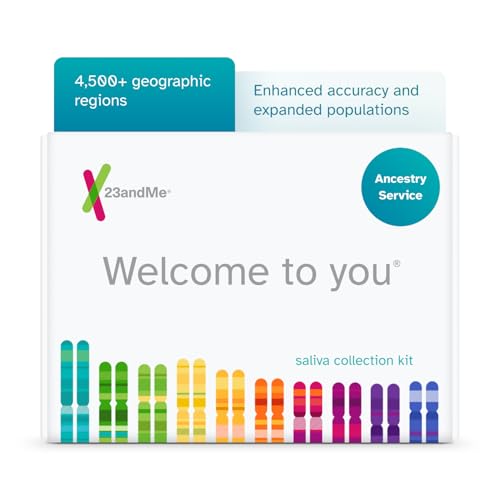
Overview: This service provides a geographic breakdown across 4,500+ regions and includes ancestry features like Ancestry Timeline and Neanderthal ancestry insights. It also offers DNA Relative Finder and automatic family-tree features.
What makes it stand out: The broad geographic resolution and multiple ancestry tools make it a versatile option for building a deep historical picture. The inclusion of a DNA Relative Finder helps map connections with living relatives.
Who it’s best for: Buyers who want extensive ancestry details, plus interactive features for timeline-based heritage understanding and family connections.
Cautions or limitations: Some users may find the depth of health-related features optional or unnecessary if focusing solely on ancestry. Privacy preferences should be reviewed before use.
23andMe Health + Ancestry Service

Overview: This bundle combines health insights with ancestry data, offering 100+ personalized genetic insights, including health predispositions, carrier status, and wellness reports. It links health data to ancestry information for a broader view of genetics.
What makes it stand out: The health-focused content adds value for users who want to understand potential health-related genetic factors alongside their heritage. The package aims to provide practical, science-backed insights for daily life decisions.
Who it’s best for: Buyers who want an integrated view of ancestry and health, especially those curious about how genetics influence both heritage and well-being.
23andMe+ Premium Advanced Ancestry & Health

Overview: This bundle provides 100+ reports plus a 1-year prepaid premium membership, unlocking advanced health features like pharmacogenetics and Health Tracks. It includes historical matching tools and a broader relative network.
What makes it stand out: The premium access accelerates depth in both ancestry and health data, with advanced filters for faster heritage tracing and a larger pool of genetic relatives.
Who it’s best for: Power users who want long-term access to advanced ancestry reports and health insights, and who plan to engage with a large community of DNA relatives.
FamilyTreeDNA Family Finder
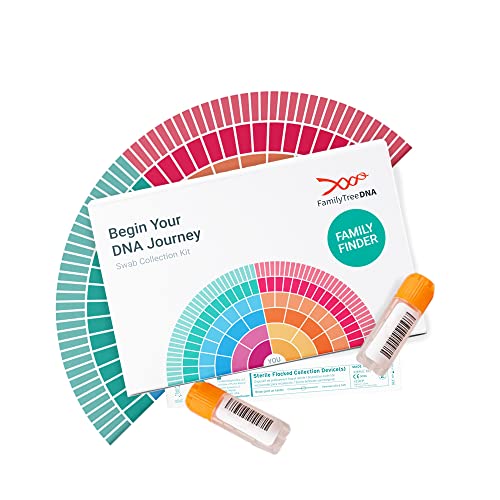
Overview: This kit focuses on family connections and chromosome-based analysis. Features include Family Matching, Chromosome Browser, and ancientOrigins for insights into ancient DNA segments.
What makes it stand out: The chromosome-based comparison tools enable precise tracing of shared DNA segments with relatives, which is valuable for deep genealogical work and invasive lineage tracking across generations.
Who it’s best for: Serious genealogists who want detailed genetic relationship mapping and advanced ancestry tools not always emphasized in other brands.
Buying Guide
What should you consider when choosing an ancestry DNA test? Here are practical questions and considerations to guide your decision:
- What is my main goal—ethnicity history, relative matching, or health insights?
- How important is the geographic depth and the size of reference populations?
- Do I want a bundled membership or access to an extensive family-history archive?
- How do privacy and data-sharing controls align with my comfort level?
- Is additional health information a deciding factor, or should I stay focused on ancestry alone?
Comparison at a glance:
- Best for broad ethnicity and traits: AncestryDNA + Traits Genetic Test Kit
- Best for research-backed family history: AncestryDNA + World Explorer package
- Best for cross-platform relatives: MyHeritage DNA Test Kit
- Best for geographic depth and family connections: 23andMe Ancestry Service
- Best for deep genealogical tools: FamilyTreeDNA Family Finder
FAQ
- How accurate are ancestry DNA results?
Results depend on reference populations and database size. They provide estimates rather than exact origins and can evolve as datasets grow.
- Can I share my results with others?
Most kits offer data-sharing controls. You decide what to share and with whom, including relatives who use the same platform.
- Do these tests reveal health risks?
Some kits include health-related reports; others focus on ancestry. Review the product details to understand which health insights are offered.
- How long does it take to get results?
Typical timelines range from several weeks to a couple of months, depending on the service and lab processing times.
- Will results change over time?
Yes. As reference databases grow, ethnicity estimates and relative connections may be refined and expanded.
- Which kit is best for beginners?
Most entry-level options from major brands offer clear results and helpful guides, making them suitable for first-time testers.