Answering a runner’s search for safer, comfortable listening while on the move, these bone conduction options keep your ears open and your focus on the surroundings. The top picks suit different needs: ultra-light models for long runs, rugged designs for harsh weather, and premium audio for motivation during workouts. The following selections prioritize open-ear comfort, secure fit, and durable build for running, cycling, and outdoor training. Use this guide to compare open-ear performance, battery life, water resistance, and fit considerations before you buy.
| Product | Best For | Key Benefit |
|---|---|---|
| PSIER Bone Conduction Headphones | Outdoor runners seeking updated Bluetooth 6.0 | Strong sound with open-ear awareness and secure fit |
| SHOKZ OpenMove | Casual runners needing reliable open-ear design | Lightweight, secure fit, durable for workouts |
| Galopge Bone Conduction Headphones | Budget-friendly open-ear option | Comfortable, IP55 sweat resistance |
| SHOKZ New OpenRun Pro 2 | Performance-minded runners | Hybrid sound with open-ear awareness and stable fit |
| Ogogrs Bone Conduction Headphones | Long battery life seekers | Type-C fast charging and extended listening |
PSIER Bone Conduction Headphones

Best for runners who want modern Bluetooth 6.0 connectivity with open-ear sound. PSIER uses a close-fit, lightweight 23-gram frame with an adjustable strap for a secure, fatigue-free wearing experience. The 13 mm bone conduction drivers and 90 dB sensitivity deliver balanced audio, while an enclosed cavity design minimizes leakage and maintains situational awareness. The IPX5 rating supports sweat and rain exposure during outdoor runs.
Who it’s for: outdoor enthusiasts, speed joggers, and commuters who value awareness and reliable wireless performance. Limitation: the higher-end tech may be pricier than some budget options and battery life is sufficient for typical workouts but not extended multi-day use.
SHOKZ OpenRun Pro 2

Best for athletes seeking premium open-ear sound with deep bass and 12 hours of playback. This model blends bone conduction and air conduction elements for a balanced 3D audio experience and open-ear awareness. It employs a lightweight unibody frame with ergonomic ear hooks and Ni-Ti alloy memory wire to reduce slippage during runs, workouts, or cycling.
Who it’s for: performance runners who want immersive sound without sacrificing safety. Caution: price and features may be more than needed for casual walkers or those new to bone conduction.
Galopge Bone Conduction Headphones

Best for budget-conscious buyers who still want reliable open-ear listening. Galopge’s 22-gram design uses a titanium frame for a stable, comfortable fit and IP55 water resistance for workouts in light rain or sweat. The open-ear design keeps ears available for ambient sounds, aiding situational awareness.
Who it’s for: runners on a budget who don’t want to compromise safety. Limitation: lower-end audio performance compared with premium options, especially in noisy environments.
SHOKZ OpenMove
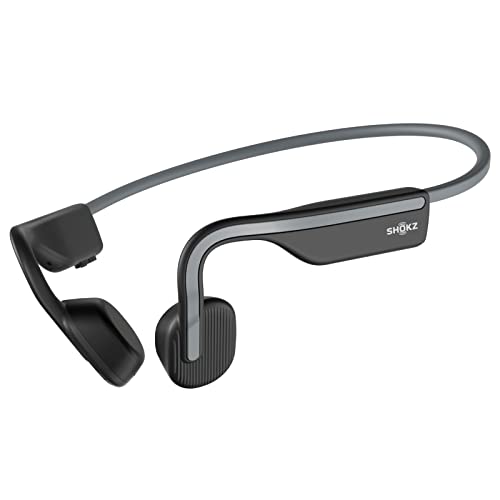
Best for runners who want a simple, proven open-ear experience with a secure, fabric-friendly form. OpenMove emphasizes safety and awareness with a lightweight, wraparound frame that stays in place during runs and workouts. It’s sweat-resistant and designed for steady use in varied weather, with a focus on dependable connection rather than feature-heavy specs.
Who it’s for: new adopters of bone conduction or runners who prefer a straightforward, durable option. Caution: not the strongest option for bass lovers seeking maximum low-end punch.
SHOKZ New OpenRun Pro 2

Best for runners who want the latest in bone conduction with enhanced audio clarity and safety. The OpenRun Pro 2 delivers a refined sound profile with 12 hours of playback, maintaining open-ear awareness. The secure, lightweight fit and reflective strip design aid visibility during early morning or night runs.
Who it’s for: athletes pushing for longer sessions and higher audio fidelity. Limitation: premium model with features that may be more than casual users require.
Buying Guide: Key Purchase Considerations
- Open-ear awareness: All listed models keep ears free, improving safety in traffic or group runs. Evaluate comfort and fit for long sessions.
- Audio performance: Bone conduction plus any air conduction elements varies by model. Look for balanced highs and clear mids; bass preference may differ by user.
- Fit and stability: Lightweight frames and wraparound designs are common. Consider adjustable straps, ear hooks, and material feel during extended wear.
- Durability and weather resistance: IP ratings (IPX5 to IP67) indicate sweat and water exposure tolerance. Decide based on weather and indoor/outdoor use.
- Battery life and charging: Look for long playtime with efficient charging. Type-C charging offers convenience for many devices.
- Connectivity and latency: Bluetooth 5.x or 6.0 supports stable connections and low latency, important for running with devices or phones.
- Weight: The lighter, the better for comfort. Most options weigh 20–30 grams and are designed to minimize fatigue.
- Microphone and calls: If you need calls during workouts, verify mic quality and wind noise reduction.
Frequently Asked Questions
- Q: Do bone conduction headphones block out ambient noise? A: No, open-ear designs keep you aware of surroundings, which is safer for outdoor runs.
- Q: Are bone conduction headphones waterproof? A: Many models are sweat-resistant and water-resistant, with varying IP ratings. Check the product page for specifics.
- Q: Will bone conduction cause ear fatigue? A: Open-ear designs reduce ear canal pressure, which can minimize fatigue during long workouts.
- Q: Is battery life sufficient for long runs? A: Most models offer 8–12 hours of playback, depending on usage and features.
- Q: Can I use these headphones for calls? A: Several models include built-in mics for calls, but performance varies by model and environment.
- Q: Which is best for beginners? A: SHOKZ OpenMove or Galopge offer straightforward, reliable open-ear listening with durable builds.