Found the right swimming headphones that keep you aware of your surroundings while you listen underwater? This guide highlights top bone conduction options designed for swimming, snorkeling, and water workouts. It helps you pick models best for athletes, divers, or casual swimmers who want phone-free MP3 modes or seamless Bluetooth transitions. The list compares open-ear comfort, IP ratings, built-in memory, and water-related limitations so you choose confidently for underwater listening and above-water use.
Buying at a glance: top swimming bone conduction picks
| Product | Best For | Key Benefit | Limitations |
|---|---|---|---|
| PSIER Bone Conduction Headphones (32GB) | All-around swimmers; music lovers who want MP3 storage | 64GB total storage? Actually 32GB MP3 plus Bluetooth 6.0 | Switch to MP3 mode underwater; Bluetooth not usable underwater |
| ZOVIMAX Bone Conduction Headphones | Underwater listening with secure fit | IPX8, open-ear design, MP3 mode | Bluetooth not usable underwater |
| PSIER Dual Driver MP3 Open Ear (32GB) | Those seeking deeper bass underwater | Hybrid bone + air conduction; 32GB memory | Bluetooth not usable underwater |
| SHOKZ OpenSwim Pro | Serious swimmers who want offline MP3 and land Bluetooth | IP68, up to 8,000 offline songs, dedicated swimming mode | Bluetooth cannot be used underwater |
| Feiltik Swimming Headphones | Budget-friendly MP3 mode listeners | IPX8 waterproof; 32GB built-in MP3 | Bluetooth not available underwater |
PSIER Bone Conduction Headphones with 32GB MP3

Best for swimmers who want both underwater MP3 mode and Bluetooth versatility on land. Features include Bluetooth 6.0 with ultra-low latency, dual-device pairing, and a built-in 32GB MP3 storage capable of thousands of songs. Use MP3 mode underwater for listening; Bluetooth is not functional below the surface. Open-ear design provides situational awareness, while adjustable straps accommodate different head sizes.
Who it’s best for: athletes who train with music in water and want a large onboard music library without carrying a phone. Why selected: strong combination of MP3 storage, device switching, and open-ear comfort for water-based workouts.
Limitations to note: Bluetooth does not work underwater, so underwater listening relies on MP3 mode. The waterproofing is rated IPX8, suitable for submersion, but avoid Bluetooth usage while swimming.
ZOVIMAX IPX8 Open-Ear MP3 Headphones

Best for swimmers who value a secure fit and underwater MP3 playback. This model emphasizes a comfortable open-ear design with soft silicone pads and an adjustable strap for different head sizes. It carries an IPX8 rating, enabling full submersion for extended underwater listening. Bluetooth functionality is not usable underwater; switch to MP3 mode when in water.
Who it’s best for: swimmers who want reliable underwater music without exposing their ears to earbuds. Why selected: robust IPX8 waterproofing and secure, comfortable fit for long sessions.
Limitations: underwater listening relies on MP3 mode; Bluetooth cannot operate underwater. Some users may prefer larger onboard memory depending on song count needs.
PSIER Dual Driver MP3 Open Ear Headphones
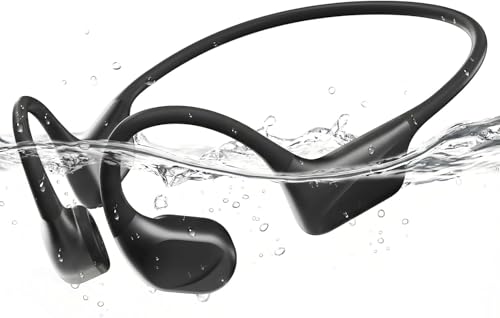
Best for listeners who want enhanced bass and clear highs during water workouts. Combines bone conduction with an additional air conduction driver to deliver deeper bass underwater while maintaining clear mids and highs. Includes 32GB memory for offline listening and Bluetooth 6.0 for land use. Underwater Bluetooth is not supported; MP3 mode is recommended beneath the surface.
Who it’s best for: athletes who want a more immersive underwater sound profile without carrying a phone. Why selected: the dual-driver approach provides richer sound underwater, with substantial built-in memory for offline music.
Limitations: underwater performance relies on MP3 mode; Bluetooth is non-functional underwater. Bass emphasis may vary depending on water conditions and cap fit.
SHOKZ OpenSwim Pro MP3 Bone Conduction Headphones

Best for serious swimmers who want offline MP3 playback on the go. The OpenSwim Pro features IP68 waterproofing and a dedicated swimming mode, allowing up to 8,000 songs stored locally. Bluetooth mode is land-only; underwater listening relies on MP3 mode. The design prioritizes safety, staying open-ear for environmental awareness while in water or on land.
Who it’s best for: swimmers who train with long playlists and want reliable waterproof performance. Why selected: strongest combination of total offline music capacity and durable waterproofing for rigorous workouts.
Limitations: Bluetooth cannot be used underwater; ensure MP3 mode is active while swimming. App integration can enhance customization but is optional for basic listening.
Feiltik Swimming Headphones With 32GB MP3
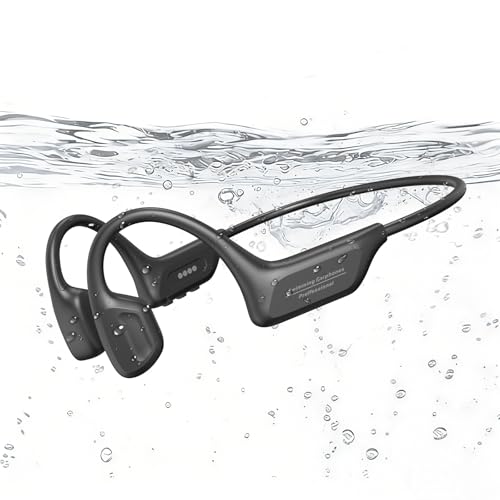
Best for swimmers seeking a budget-friendly underwater listening option with built-in memory. It provides IPX8 waterproof protection and a 32GB MP3 library for offline listening. Bluetooth is not functional underwater; switch to MP3 mode for swimming. The compact design supports comfortable wear with swim gear like caps and goggles.
Who it’s best for: budget-conscious swimmers who want reliable underwater playback without a phone. Why selected: strong IPX8 rating and sizeable onboard storage at a lower price point.
Limitations: no underwater Bluetooth; the emphasis is on MP3 playback. Some users may prefer models with dual mode for more flexibility on land and water.
Buying Guide: How to Choose the Right Swimming Bone Conduction Headphones
- Waterproof rating accuracy: Look for IPX8 or IP68 for genuine underwater use and submersion depths. Consider how long you swim and at what depths you train.
- Mode availability underwater: Bluetooth typically does not work underwater. MP3 mode or dedicated offline playback is essential for listening while submerged.
- Memory capacity: Built-in memory (32GB or more) supports sizeable offline playlists, reducing the need to carry a phone.
- Open-ear comfort and fit: Soft silicone pads and adjustable straps help maintain comfort during long sessions and prevent movement shifts while swimming.
- Sound quality vs. environment: Bone conduction plus optional air-conduction drivers can improve clarity and bass. Be mindful that underwater acoustics can affect perceived bass and treble.
- Compatibility and use cases: Consider whether you want land-use Bluetooth for workouts outside water and MP3 mode solely for swimming.
- Battery life: Check advertised playtime on both Bluetooth and MP3 modes; real-world use varies with volume and features used.
- Dual-device pairing and switching: Some models allow pairing with multiple devices; this can simplify switching between a phone and a tablet during land workouts.
FAQ
- Can I use Bluetooth underwater with these headphones?
No. Bluetooth typically does not work underwater; switch to MP3 mode for underwater listening.
- Which is best for long swimming sessions?
Look for IPX8/IP68 rating, large onboard memory (32GB+), and a comfortable open-ear fit designed for extended wear.
- Do bone conduction headphones protect hearing during water activities?
Open-ear design helps you stay aware of surroundings, potentially reducing the need to remove headphones during workouts, but always follow personal safety guidelines.
- Is built-in MP3 memory sufficient for most workouts?
32GB memory stores thousands of songs; choose higher capacity if you prefer long playlists without reloading.
- Are there models suitable for both swimming and land workouts?
Yes. Some models support MP3 for underwater listening and Bluetooth on land, providing a versatile solution for mixed workouts.
- What is the typical replacement cycle for ear-friendly open-ear pads?
Soft silicone pads are designed for durability, but wear may reduce comfort over time. Inspect padding and fit periodically.