Finding a comfortable sleeping pad on a budget is easier when you prioritize support, compactness, and durability. This guide highlights affordable picks that balance comfort with travel-friendly design. Whether you’re ultralight backpacking, car camping, or staying in a cabin, these options suit varying sleep styles and terrains. The top picks below are best for budget-conscious buyers who still want reliable insulation, portability, and ease of use.
The following table compares five value-focused sleeping pads to simplify your decision. Key factors include padding thickness, weight, inflation method, and overall packability. Use this table to quickly assess which pad aligns with your camping plans, sleeping position, and vehicle or backpack carry needs.
| Product | Type | Best For | Notable Limitation | |
|---|---|---|---|---|
| WANNTS Sleeping Pad | Ultralight Inflatable | Backpackers seeking quick setup | ~30 oz | Built-in pump may add bulk |
| Therm-a-Rest Z Lite Original | Closed-Cell Foam | Budget-first, rugged use | Varies by size | Less cushion than inflatable pads |
| FUN PAC Camping Sleeping Pad | Ultralight Inflatable | Hikers wanting fast inflation | Lightweight | Double-check pump reliability |
| Gear Doctors Ether | Ultralight Inflatable | Extremely portable comfort | Very light | Durability varies with use |
| Stansport Pack Lite | Closed-Cell Foam | Simple, rugged, no pump | Lightweight | Thickness provides less cushion |
WANNTS Sleeping Pad

The WANNTS pad emphasizes a Hexagon design and body-mapping comfort, appealing to buyers who prioritize a softer, contoured surface. It features a built-in pump with foot-action inflation, enabling quick setup in about 20 seconds, followed by fast deflation. The garment-like waterproof surface and a compact weight (about 30 oz) make it a strong choice for backpackers who need a balance of support and portability. This pad is best for side, back, and stomach sleepers who want a more stable, roomy sleep surface without carrying a separate pump.
Why selected: It combines fast inflation, a roomy 75″ x 25″ size, and a durable outer layer suitable for varied weather. Best for hikers who need a self-contained system and dislike mouth or hand inflation. A potential limitation is the integrated pump’s durability over time, so users should handle the valve area carefully.
Therm-a-Rest Z Lite Original

The Z Lite Original is a durable closed-cell foam pad, offering a budget-friendly, lightweight foundation for camping. It folds into a compact accordion style, is highly packable, and requires no inflation or pump. Its heat-trapping dimples contribute to warmth on cold ground, while its low weight suits backpackers who value simplicity and reliability. This pad is best for travelers who want a rugged, maintenance-free option and are willing to compromise on the plushness of air pads.
Why selected: Longstanding reliability, simple maintenance, and no risk of punctures. Choose this if you frequently sleep on uneven terrain or in damp conditions and want a pad that lasts. Limitation: It offers less cushioning than inflatable pads and can feel firmer on hard ground.
FUN PAC Camping Sleeping Pad

The FUN PAC pad is designed for ultralight enthusiasts who want extra width and thickness for comfort. It uses a built-in foot pump for inflation within 30–60 seconds and includes a two-layer valve to reduce leaks. The pad measures roughly 78″ by 27″ by 8″ when inflated, offering ample space for most sleepers and maintaining a compact pack when deflated. It’s best for solo hikers who need a larger sleeping surface without added bulk.
Why selected: High comfort-to-weight ratio, built-in pillow, and quick inflation. Limitation: The integrated pump mechanism may be a potential point of failure if overused or mishandled over time.
Gear Doctors Ether 17.5oz

The Gear Doctors Ether pad emphasizes ultralight design with a compact footprint. It inflates quickly via a detachable foot pump, with a robust TPU-coated nylon shell for weather resistance. The mat expands to about 76″ x 25″ with ergonomic contours, offering substantial support for most sleepers. It is best for ultralight hikers who require a compact pad that doesn’t sacrifice comfort. The product carries a lifetime replacement guarantee, which adds value for budget-conscious buyers seeking long-term use.
Why selected: Strong weight savings, reliable inflation, and a trusted durability profile. Limitation: The price-to-performance ratio may vary with pack weight expectations and outdoor conditions.
Stansport Pack Lite
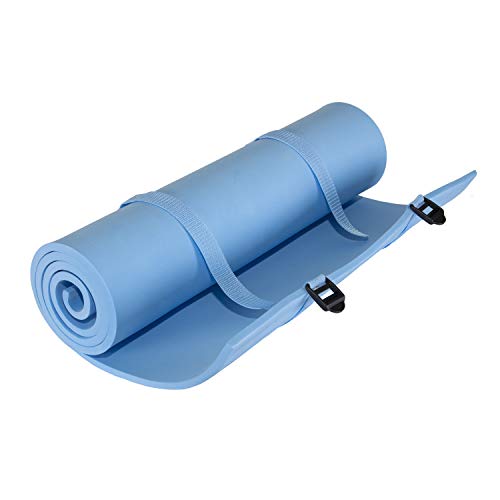
The Stansport Pack Lite is a closed-cell foam pad designed for rugged use and simple packing. It measures 72 by 19 inches with a 3/8-inch thickness, delivering basic insulation against cold and damp ground. This pad is best for casual campers, family trips, or budget-conscious buyers who want a dependable, durable mat without any pumping or inflation. While it lacks the plushness of inflatable options, its durability and low maintenance are strong advantages.
Why selected: Very low maintenance, affordable, and easy to clean. Limitation: Minimal cushioning compared with thicker air or foam pads; may not suit side sleepers seeking maximum contouring support.
Buying Guide
What matters most in a budget sleeping pad?
Comfort, weight, and packability are key. For backpacking, prioritize lighter weights and compact packing. For car camping, you can trade weight for thickness and warmth. Insulation level (R-value or warmth) should match typical conditions; foam pads offer reliable warmth, while inflatable pads provide better comfort and lighter weight per inch of thickness.
Foam vs. inflatable: which to choose?
Foam pads are durable, no maintenance, and easy to store. They’re ideal for damp or rocky ground and cold environments. Inflatable pads offer superior cushioning and compactness but require care to avoid punctures and leaks and may need a pump for quick setup.
Inflation method considerations
Built-in pumps simplify setup and reduce the risk of moisture exposure to hands. External pumps can offer faster inflation but add gear weight. Detachable foot pumps provide a compromise, but ensure the valve system is robust to prevent leaks over time.
Durability and care tips
Check fabric/material compatibility with your terrain, avoid rough surfaces, and use a ground cloth if prone to punctures. Store inflated, or fully dry before packing to prevent mold and mildew. Repair kits can extend life for inflatable pads, while foam pads rarely need repairs beyond cleaning.
Who should consider these budget options?
Budget-minded hikers, campers, and travelers who want reliable sleep solutions without premium pricing. Those who prefer quick setup, lightweight gear, or durable, low-maintenance options will find value in these selections. Always weigh comfort needs against packing constraints when choosing between foam and inflatable designs.
Frequently Asked Questions
- What is a good budget sleeping pad for backpacking?
- Look for a balance of weight, thickness, and insulation. Foam pads are budget-friendly and durable; inflatable pads offer better comfort with manageable weights.
- Do inflatable pads require a pump?
- Many include built-in or detachable pumps; some can be inflated by mouth, though this is slower and less convenient.
- Which pad is best for side sleepers on a budget?
- 4–6 inch-thick inflatable pads with contoured designs or 3–4 inch foam pads provide better shoulder and hip clearance.
- Are closed-cell foam pads weatherproof?
- Yes, they resist moisture and are durable in wet conditions, but may be less comfortable than inflatable options.
- Is a taller pad always better?
- Taller pads offer more space but add weight. Choose height based on your sleeping position and pack weight tolerance.