Answering the search for a compact interchangeable lens camera means finding gear that packs strong image quality, versatile lenses, and easy handling into a travel-friendly body. This guide highlights five strong choices, each suited to different buyers: beginners seeking simplicity, vloggers needing reliable autofocus, and enthusiasts chasing detail without bulk. A quick summary table helps compare the core strengths of each model at a glance.
| Product | Best For | Key Benefit |
|---|---|---|
| Sony Alpha a6400 | All-around performers | Fast autofocus and solid stills |
| Sony ZV-E10 | Vloggers and creators | Video-centric features with accessible controls |
| Canon EOS Rebel T7 | Beginners on a budget | Classic DSLR with straightforward controls |
| Sony NEX-7 | Travelers seeking high resolution | High 24.3 MP detail and OLED EVF |
| Sony NEX-5N | Compact, budget-friendly shooters | Pocket-friendly with touchscreen |
Sony Alpha a6400: Versatile APS-C Mirrorless
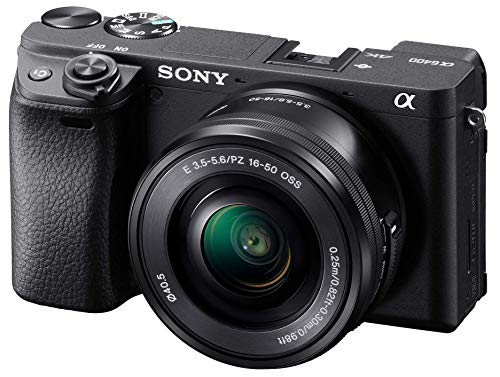
The Sony Alpha a6400 offers a compact body with a strong autofocus system and solid image quality. It features a 20.1 MP stacked sensor and fast 11 fps shooting, making it suitable for travel, street photography, and casual portraits. The included 16-50mm kit lens keeps the setup lightweight, while the camera’s real-time eye AF helps track subjects with precision. This model is best for photographers who want reliable performance in a compact package and are comfortable with interchangeable lenses.
Best for: Serious hobbyists and travelers who want dependable autofocus and excellent color rendition in a portable body. Limitation: Some users may prefer newer features found in higher-end bodies, but the a6400 remains a solid all-around performer.
Sony ZV-E10: Creator-Centric Mirrorless
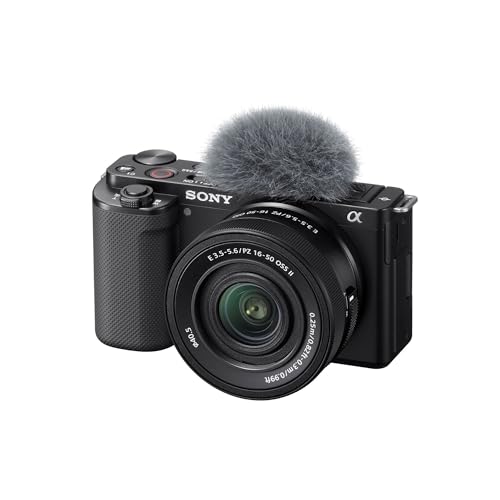
The ZV-E10 is designed for content creators who want a compact, easy-to-use camera with strong video features. Its 24.2 MP APS-C sensor supports high-resolution stills and smooth 4K video with oversampling for quality footage. The camera emphasizes quick autofocus, fast startup, and practical settings for product and vlog-style shoots. It’s best for creators who prioritize video versatility in a small, approachable body.
Caution: While excellent for video, some users may miss tactile dials typical of traditional cameras, and lens options may influence overall size and weight for extended setups.
Canon EOS Rebel T7: Entry DSLR Value

The Canon EOS Rebel T7 pairs a 24.1 MP CMOS sensor with a beginner-friendly layout and a versatile 18-55mm kit lens. It offers a broad ISO range and a dependable AF system for everyday photography, portraits, and family events. This option is best for newcomers who want a budget-friendly, DSLR-based entry into interchangeable lenses with straightforward controls. Limitation: It is a DSLR, so body size and lens changes may feel bulkier than mirrorless rivals.
Sony NEX-7: High-Detail Travel Companion

The Sony NEX-7 delivers high-resolution imagery with 24.3 MP and a pocketable form factor. It stood out for its OLED viewfinder and strong image detail, making it appealing for travel and street photography where a compact camera with professional-level output is desired. This model suits photographers who want excellent detail in a small body and are comfortable with older interface quirks. Limitation: Availability and support for older lenses or bodies may be limited in some markets.
Sony NEX-5N: Compact Interchangeable Lens

The Sony NEX-5N emphasizes a pocketable footprint with a touchscreen interface and 16.1 MP Exmor sensor. It supports interchangeable lenses in a compact form, making it a practical choice for everyday carry, street shoots, and casual portraits. Best for budget-conscious buyers who still want the flexibility of a compact system camera. Caution: As an older model, you may encounter limited compatibility with newer lens lines and accessories.
Buying Guide: Key Considerations For Your Next Compact Interchangeable Lens Camera
- APS-C sensors balance image quality with body size. Higher resolution helps large prints but can tax processing in some models.
- Real-time eye AF and subject tracking improve candid and action shots. Look for models with fast AF and reliable tracking.
- If video matters, evaluate 4K quality, autofocus behavior in video, and any special features like product showcase or log profiles.
- A broad lens lineup adds long-term value. Check availability of primes and zooms for your genres (portraits, landscapes, travel).
- Compact bodies with tilt screens and good grip improve all-day shooting comfort. Consider whether you prefer touchscreens or physical dials.
- Some compact systems consume more power in live view and video. Plan for spare batteries if you shoot on the road.
- If you anticipate growing from beginner to advanced, choose a model with a robust feature set and solid resale value.
Frequently Asked Questions
- What is the main difference between mirrorless and DSLR for beginners? Mirrorless cameras are generally lighter and offer faster live view autofocus, while DSLRs provide a traditional optical viewfinder and often longer battery life.
- Is a high megapixel count always better? Not always. Higher resolution helps with large prints, but sensor performance and noise at higher ISO matter more in real-world photos.
- Do these cameras support external microphones for better audio? Some models do, but check each unit’s mic input capabilities if you plan to shoot videos with superior sound.
- Can I use old lenses on newer Sony cameras? Many Sony E-mount lenses are compatible with newer bodies, but always verify mount compatibility and any required adapters.
- Which camera is best for travel? The most travel-friendly options are compact mirrorless models like the ZV-E10 or a6400, which balance size, weight, and image quality.
- Do these cameras come with a kit lens? Several listed models include a 16-50mm kit; others may require selecting a lens separately depending on the listing.