When searching for creams for oily skin, look for lightweight, oil-free formulas that provide hydration without adding shine. The best options balance moisture with mattifying effects and often include ingredients like niacinamide, ceramides, or zinc to support skin health and help control excess oil. The following picks are well-suited for different needs—SPF protection, blemish-prone skin, or targeted hydration—serving as practical choices for everyday use.
Summary of selected products:
- Cetaphil DermaControl Oil Absorbing Moisturizer SPF 30 – Matte finish, oil-absorbing, broad spectrum sun protection.
- La Roche-Posay Toleriane Double Repair Matte – Oil-free, ceramides and niacinamide, all-day hydration with shine control.
- PanOxyl AM Oil Control Moisturizer SPF 30 – Sheer formula, reduces excess oil, non-comedogenic, SPF 30.
- Minimalist Face Moisturizer for Oily Skin – 10% panthenol, multi-mineral complex, multi-level hydration, lightweight.
- medicube Jelly Cream with Hyaluronic Acid – Lightweight jelly texture, deep hydration with minimal residue, suitable for sensitive skin.
Cetaphil DermaControl Oil Absorbing Moisturizer SPF 30

Features: Hydrates skin while leaving a matte finish; 4-in-1 formula for sensitive, oily skin; absorbs oil, reduces shine, provides sun protection, and hydrates. It is recommended by the Skin Cancer Foundation for broad-spectrum SPF 30 protection against UVA and UVB rays.
Best for: oily, sensitive skin that needs a mattifying moisturizer with sun protection. Choose this if you want reliable oil control during the day without sacrificing hydration. Caution: If you prefer fragrance-free formulas, this product is typically fragrance-free, but verify current packaging as formulas can vary by region.
La Roche-Posay Toleriane Double Repair Matte
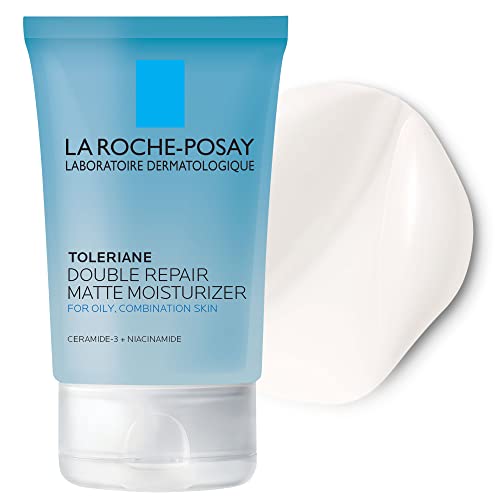
Features: Oil-free moisturizer with La Roche-Posay prebiotic thermal water, ceramide-3, niacinamide, and glycerin; lightweight gel texture; provides all-day hydration without shine and aids in skin barrier repair after 1 hour; dermatologist-tested and non-comedogenic.
Best for: those seeking a dermatologist-backed option that minimizes shine while supporting a healthy skin barrier. Choose this if you want improvement in texture and pores over time. Limitation: May be pricier than drugstore alternatives, and those with very sensitive skin should test for pigment compatibility before full use.
PanOxyl AM Oil Control Moisturizer SPF 30

Features: Dermatologist-recommended, new sheer formula that absorbs excess oil and reduces shine with a matte finish; daytime moisturizer with a lightweight, non-comedogenic base designed for acne-prone and oily skin types; includes mineral sunscreen SPF 30.
Best for: users with oily or acne-prone skin who want oil control plus sun protection in a single step. Choose this if you prefer a sheer finish that doesn’t leave a heavy residue. Caution: Non-chemical filters can vary by region; check sunscreen ingredients for any sensitivities.
Minimalist Face Moisturizer for Oily Skin

Features: Lightweight, oil-free moisturizer with 10% panthenol (Vitamin B5); multi-mineral complex (zinc, copper, magnesium) to neutralize free radicals; multi-level hydration with hyaluronic acid and aquaxyl; claims long-lasting moisture for up to 12 hours.
Best for: oily and acne-prone skin needing a non-greasy, breathable hydration that supports the skin barrier. Choose this if you want a simple, affordable routine with a focus on hydration without heaviness. Limitation: Some users may require additional spot treatments for blemishes beyond hydration.
Medicube Jelly Cream with Hyaluronic Acid

Features: Deep hydration powered by 10 types of hyaluronic acid; ceramides and multi-peptides support the skin barrier; lightweight jelly texture absorbs quickly with a non-greasy finish.
Best for: those who want a hydrating formula that feels light and non-oily, suitable for layering with other products. Choose this if you prefer a gel-cream texture over traditional creams. Limitation: The jelly texture may feel thinner on very dry areas; consider pairing with an extra moisturizer if needed.
Buying Guide: How To Choose The Right Moisturizer For Oily Skin
Oil-Free And Non-Comedogenic Is Key
Choose moisturizers labeled oil-free and non-comedogenic to minimize pore clogging and shine. This helps prevent breakouts while delivering essential hydration.
Hd Hydration vs. Shine Control
Look for ingredients that hydrate without heaviness. Humectants like hyaluronic acid and glycerin provide moisture, while mattifying agents or zinc help control oil for a matte finish.
SPF Considerations
If you want sun protection in a daily moisturizer, select products with broad-spectrum SPF 30 or higher. For sensitive skin, verify fragrance and chemical filter ingredients.
Barrier Support And Acne-Friendly Ingredients
Niacinamide, ceramides, and Centella or panthenol support barrier health and may help reduce inflammation. These ingredients are beneficial for oily or acne-prone skin when used consistently.
Texture And Feel
For oily skin, prefer gel- or jelly-textured formulas or light creams. Heavier creams can feel greasy and may worsen shine on hot days or in humid climates.
Practical Routine fit
Consider your day-to-day routine. If you wear makeup, choose a formula that layers well under foundation and provides a smooth, even base.
FAQ
- What should I look for in a moisturizer for oily skin? Look for oil-free, non-comedogenic formulations with mattifying ingredients and hydration from humectants like hyaluronic acid.
- Is SPF essential in a daily moisturizer? SPF is helpful for sun protection, but you can use separate sunscreen if you prefer a denser moisturizer without filter ingredients.
- Can a moisturizer cause more oil? Yes, heavy or occlusive formulas can increase shine. Choose lighter textures and avoid occlusive ingredients if you are breakout-prone.
- Are active anti-aging ingredients compatible with oily skin? Yes, ingredients like niacinamide and retinol can be compatible, but start slowly to monitor irritation and ensure the product suits your skin type.
- How do I choose between a serum and a moisturizer? Serums are typically for targeted concerns; moisturizers provide ongoing hydration and barrier support. For oily skin, a lighter moisturizer or a serum-based routine can be effective.
- Should I patch-test new products? Yes. Patch-testing helps detect sensitivities before full-face use.