Answering the question “What’s the best day hike backpack for my needs?” this guide highlights 5 top options designed for day-long excursions. These packs balance weight, storage, and comfort to suit different activities—from casual trail walks to longer routes. Choose this if you want a hydration-integrated option; pick that one if you prefer ultralight carry; better for water-resistance, or a rugged build for varied weather. The following picks are chosen for general day hikes, running errands on the trail, and quick salt-and-pepper treks.
Overview table: a quick reference to the five featured backpacks, focusing on capacity, hydration features, and notable design strengths.
| Product | ||||
|---|---|---|---|---|
| TETON Sports Teton Oasis Hydration Backpack | 18L / 22L | 2L bladder included, insulated pocket | Makers who want a reliable built-in hydration system | Low-profile, adjustable for men, women, youth |
| N NEVO RHINO Lightweight Hydration Backpack | 12L | 2L bladder included | Ultra-light hikers needing minimal weight | Soft air mesh back, adjustable straps |
| SKYSPER Small Hiking Backpack | 20L | — | Everyday day hiking with safety features | Water-resistant material, reflective design |
| MIYCOO Ultralight Packable Backpack | 35L | — | Lightweight, packable packing lists | Very light, folds into inner pocket |
| Osprey Hikelite 18L | 18L | Rain cover included | Technical hikers seeking ventilation | Airspeed suspension for airflow |
TETON Oasis Hydration Backpack

The TETON Oasis combines a lightweight design with a built-in 2L water bladder and an insulated bladder pocket. It offers 18L or 22L of organized storage and a low-profile fit suitable for both men and women. This makes it well-suited for day hikes, runs, or casual bike rides where a steady water supply matters. The sip tube is kink-free and features a push-lock bite valve for quick, controlled drinking. A broad opening simplifies ice addition and cleaning, keeping hydration convenient on longer routes.
Best for: hikers and runners who want integrated hydration without sacrificing pack organization. Better for those who value insulated water to keep drinks cooler on warm days. Choose this if you want a versatile daily-hike option that scales with your comfort needs.
Caution: While highly capable, the pack’s weight distribution can feel less balanced when loaded near the top on extremely long ascents. Ensure proper adjustment for stability.
N NEVO RHINO Lightweight Hydration Backpack

This pack emphasizes ultralight design, tipping the scales at around 8.5 ounces with a 2L bladder and a 12L capacity. It uses waterproof and tear-resistant fabric with a PU coating and a BPA-free, food-grade bladder. The hose clamp and leakproof bite valve ensure smooth flow, while multi-adjustable shoulder straps and a breathable back mesh support comfort across longer days on the trail. It also supports a fully adjustable torso fit for varying body types.
Best for: light-duty day hikers and runners who want a minimal, efficient hydration solution without bulk. Better for those prioritizing a near-weightless carry and adjustable comfort. Choose this if you value fast hydration and a breathable back wearing experience.
Caution: The smaller 12L capacity means less room for extra layers or bulkier gear. It’s best for shorter outings or travel days with minimal gear.
SKYSPER Small Hiking Backpack
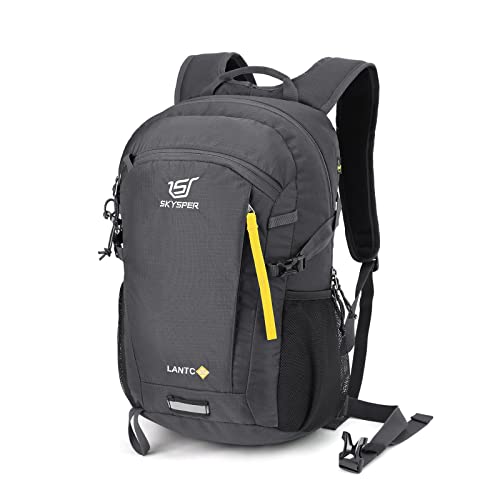
The SKYSPER 20L backpack uses a rugged 600D polyester and 210D nylon plaid fabric with reinforced stress points. It weighs about 1.1 pounds and features a breathable back system with reflective detailing for safety. A multi-compartment layout and an anti-theft zipper help keep items secure, making it a good option for travelers and hikers who want practical organization in a compact form. The design emphasizes safety and day-use practicality for diverse outdoor activities.
Best for: day hikers who want a sturdy, affordable pack with practical anti-theft features and reflective safety design. Better for urban-to-trail transitions where visibility matters. Choose this if you value durability and safety features in a compact package.
Limitation: The lack of an integrated hydration reservoir means you’ll need to carry a separate bottle or pouch for liquids if you plan extended or very active outings.
MIYCOO Ultralight Packable Backpack

This 35L pack balances lightweight design with substantial capacity. It folds into its inner pocket for compact storage and expands to handle larger loads, making it ideal for travelers who need a backup daypack or a packable option for adventures. It is built from waterproof fabric with IPX4 splash resistance and heavy-duty zippers for durability. Multiple compartments and a wet pocket help keep items organized and separated when needed.
Best for: travelers and multi-day-day-hike planners who want a packable option that transitions from compact travel to full daypack. Better for those who need a larger carry capacity without adding significant weight. Choose this if you value compact carry when not in use and expanded capacity when needed.
Caution: The foldable design may feel less rigid when carrying heavier loads, so distribute weight carefully and secure contents to minimize shifting during movement.
Osprey Hikelite 18L Hiking Backpack

Designed for trail-focused day trips, the Osprey Hikelite features AirSpeed suspension with a mesh back panel for ventilation and a LightWire peripheral frame to move weight away from the shoulders. It includes a rain cover stored in a dedicated bottom compartment, ensuring weather protection for day hikes in variable conditions. The pack’s ergonomic support and ventilation are key advantages for longer hikes or warmer climates.
Best for: hikers who prioritize ventilation and a light load for strenuous day trips. Better for those who want a built-in rain cover and a stiff, supportive carry. Choose this if you want a breathable pack that maintains comfort on hotter days.
Maelstrom 40L Hiking Backpack

The Maelstrom 40L offers a larger capacity with multiple pockets for organization, including a waterproof wet pocket to separate damp items. It uses rip-stop 210D nylon, which is water-resistant and durable, and includes a rain cover for additional weather protection. The design emphasizes ergonomic comfort with padded back and shoulders, a hip belt, and adjustable chest buckle with an emergency whistle. This makes it suitable for longer day hikes or weekend trips with more gear.
Best for: hikers needing substantial capacity without stepping up to a heavy pack. Better for longer day hikes or overnight-adjacent trips where extra organization helps. Choose this if you want a rugged, multi-pocket setup with built-in rain protection.
Buying Guide: Key Considerations For Your Day-Hike Backpack
- Capacity vs. weight: Balance the amount of gear you carry with the pack’s weight to avoid fatigue on the trail.
- Hydration options: Decide between built-in bladders or bottle pockets. Insulated bladders help keep water cold longer in hot weather.
- Ventilation and fit: Look for breathable back panels and adjustable straps to customize the load path for comfort.
- Weather readiness: Consider rain covers or water-resistant fabrics for variable conditions on the trail.
- Organization: Multi-pocket layouts, wet/dirty compartments, and anti-theft features can streamline packing.
- Durability: Materials like rip-stop nylon and reinforced seams extend life in rugged environments.
FAQ
- What capacity should I choose for a typical day hike?
– For standard day hikes, 12–20L is usually sufficient; 20–30L is better if you carry extra layers or snack gear. - Are hydration packs worth it for day hikes?
– Hydration packs are convenient for steady water access, especially on longer or hotter days. - Should I prioritize ventilation in my backpack?
– Yes, especially in warm weather or for long treks. An airy back panel reduces sweat buildup. - Is a rain cover essential?
– A rain cover or waterproof fabric is highly beneficial in regions with unpredictable showers. - What’s the trade-off between ultralight and larger-capacity packs?
– Ultralight packs reduce fatigue but limit gear capacity; larger packs offer more space but require careful packing to stay comfortable. - Do these packs fit both men and women?
– Many are designed with adjustable straps and fit ranges to accommodate different body types; check specific size ranges before buying.