The best option for tweens is a compact, user-friendly camera that delivers reliable image quality without complex controls. These recommended models emphasize simple operation, durable design, and kid-friendly features. They suit beginners who want quick results and a fun, creative experience. The following picks are ideal for boys and girls aged 5–13 who want to capture memories during school events, vacations, and daily activities. A quick comparison table summarizes the top five choices.
| Product | Best For | Key Benefit | Notable Limitation |
|---|---|---|---|
| CAMKORY Digital Camera FHD 1080P | Beginners who want reliable 1080p video | Slim, pocket-friendly with easy controls | Limited manual controls |
| Lecran Digital Camera Pink FHD 1080P | Travel-friendly, compact for everyday use | Includes lanyard and long-lasting battery | Some filters are basic |
| Duluvulu 4K Digital Camera | Youth want higher video resolution and 16x zoom | 4K video with autofocusing and creative features | May be more feature-rich than needed for very young kids |
| KODAK PIXPRO FZ45 16MP | Budget-friendly option with basic versatility | 4x zoom and Full HD video | Smaller feature set |
| KODAK PIXPRO FZ55 16MP | Balanced option for newer photographers | 5x optical zoom for more framing options | Not a premium build |
Camkory Digital Camera FHD 1080P for Kids
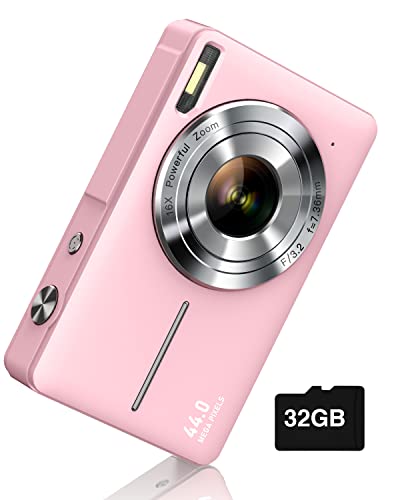
Features: This webcam-style beginner camera records FHD 1080P video and 44MP photos using a CMOS metering system. It emphasizes easy one-second shutter action and automatic natural color rendering. The compact design suits 5–13-year-olds, with a 16x digital zoom and simple menus to encourage creativity through built-in filters and effects. The camera also supports time-lapse, face detection, and playback on a computer or device. Best for: young beginners who want straightforward operation and plenty of filters to experiment with on weekends and school projects. Limitation: advanced settings are minimal, so growth in photography techniques may require a more capable model later.
Why chosen: The Camkory camera balances ease of use with a touch of creative control. Its small footprint makes it ideal for travel, classroom activities, and casual filming. The included 32GB card supports immediate practice with shooting and editing, while the long battery life is helpful for day trips.
Lecran Digital Camera Pink FHD 1080P

Features: The Lecran camera provides a CMOS sensor, anti-shake function, and 44MP stills with Full HD 1080P video. A compact pocket size and included lanyard enhance portability for travel and everyday use. The interface and control layout are designed for beginners, with a simple menu and quick start. Best for: tweens who want a dependable, affordable option for school projects and family trips. Limitation: while it offers creative filters and a timestamp, it may not satisfy users seeking professional-grade controls.
Why chosen: Its combination of a protective design, easy handling, and reliable imaging makes it a practical first camera for photo journaling and daily memories. The 8–12 hour activity days benefit from the included battery and portability.
Duluvulu 4K Digital Camera for Teens

Features: This camera captures 4K video and 48MP stills with autofocus and a 16x digital zoom. It offers a 3.0-inch IPS 180° flip screen, ideal for selfies and vlogging. The device includes date stamping, exposure compensation, time-lapse, slow-motion, and a range of creative filters. Best for: tweens and teens who want higher-resolution videos and more advanced filming options. Limitation: the feature set may be more than a casual user needs, potentially increasing the learning curve.
Why chosen: The Duluvulu model provides versatile video tooling and a durable travel companion while remaining suitable for beginners who are ready to explore more creative controls. It supports a variety of shooting modes that help build foundational skills in photography and video editing.
KODAK PIXPRO FZ45 16MP Compact Camera

Features: A 16MP CMOS sensor powers everyday shooting with four times optical zoom. It records Full HD 1080p video for family clips and travel moments. Best for: budget-conscious buyers who want a simple camera with reliable basics for kids. Limitation: optical zoom is modest, and advanced controls are limited compared with higher-end models.
Why chosen: The FZ45 provides straightforward capture, optical zoom for closer framing, and dependable full HD video without overwhelming settings. It’s a practical entry point for kids who want to grow into more advanced photography gradually.
KODAK PIXPRO FZ55 16MP Compact Camera

Features: The FZ55 uses a 16MP CMOS sensor with five times optical zoom and a 28mm wide-angle lens for flexible framing. It shoots Full HD video for travel clips and family moments. Best for: tweens who want a balanced device with more zoom range and portability. Limitation: like other entry models, it lacks some advanced shooting modes found in pricier cameras.
Why chosen: The FZ55 stands out for offering more optical reach without adding bulk, making it well-suited for capturing distant subjects during sports, nature walks, or school events while remaining approachable for beginners.
Buying Guide: What To Look For In A Tween-Friendly Digital Camera
- Ease of use: Look for simple menus, large icons, and quick-start capture to reduce frustration for young photographers.
- Durability and size: A small, sturdy body with a lanyard or wrist strap helps prevent drops and loss during outings.
- Image quality: 1080P video support and at least 16MP stills provide clear memories suitable for sharing online or in print.
- Zoom capability: A modest optical zoom (4x–5x) is usually more useful and reliable than heavy digital zoom for kids.
- Battery life and power options: Long-lasting batteries or multiple batteries ensure coverage during trips and events.
- Storage: A pre-included microSD/SD card (like 32GB) enables immediate shooting and easy transfer to devices.
- Creative features: Filters, time-lapse, stamps, and basic editing options encourage experimentation without complexity.
- Safety and materials: Non-toxic construction and smooth edges improve safety for small hands.
How To Choose Among The Top Picks
- Best for immediate ease: CAMKORY and Lecran focus on straightforward operation and compact design, ideal for absolute beginners.
- Best for higher-resolution options: Duluvulu provides 4K video and 48MP stills with a flip screen, suited to kids exploring more advanced filming for vlogs or school projects.
- Best value with versatile zoom: Kodak FZ45 and FZ55 balance cost with optical zoom, good for family trips and outdoor subjects.
Key Setup Tips
- Insert a charged battery and included SD card for immediate use.
- Set a simple auto mode to help kids start without adjusting settings.
- Encourage saving favorites to a dedicated folder for easy sharing and review.
FAQ
- What age is best for a tween to start using a digital camera?
Kids around ages 6–12 typically benefit from beginner-friendly models with simple interfaces and durable designs. - Should I prioritize video or still photo quality?
For most tweens, high-quality stills and Full HD video offer a balanced experience for projects and memories. - Is an extra battery important?
Yes, extra batteries help during field trips or long school activities when charging may be limited. - Do these cameras connect to computers or tablets easily?
Most include USB transfer or simple card readers; check the included cables and compatibility with your devices. - Can tweens grow into more advanced cameras later?
Starting with a simple camera helps build basic skills. Transition to models with manual controls and larger sensors as interest grows. - Are filters and creative modes worth it?
Yes, they spark creativity and make learning photography fun while providing hands-on practice with composition and lighting.