Answering the search for draw-biased drivers, this guide highlights five options designed to help players who struggle with pushes, fades, or slices. Each pick emphasizes easier face squaring at impact, heel-weighted balance, or aero design to encourage a draw. Best for occasional slicers, mid- to high-handicap players, and golfers seeking more forgiving draw-biased options off the tee.
| Product | Type | Key Draw Feature | Best For |
|---|---|---|---|
| Orlimar Escape HL Men’s Draw Bias Golf Driver, Right Handed, Titanium | Draw-biased titanium driver | Internally weighted toward the heel to impart draw spin | Average golfers battling push, fade, or slice |
| Orlimar Escape HL Men’s Draw Bias Golf Driver, Right Handed, Titanium | Draw-biased titanium driver | Heel-weighted to promote draw flight | Right-handed players seeking a draw-friendly option |
| Orlimar Escape HL Men’s Draw Bias Golf Driver, Left Handed, Titanium | Draw-biased titanium driver | Draw-oriented weight distribution for easier squaring | Left-handed players needing a draw bias |
| Power Play Juggernaut Titanium Draw Non-Conforming Driver – Senior Flex | Senior flex draw driver | Senior flex shaft with 515cc head for launch and draw | Senior players seeking a distance-leaning draw option |
| Cobra Golf Darkspeed Adapt MAX-K Driver | Draw-oriented aero driver | External heel weight with internal heel-weighting for draw bias | Players wanting maximum draw bias with forgiveness |
Orlimar Escape HL Right-Hand Draw Bias Driver (RH)

The Orlimar Escape HL Draw Bias Driver is designed to help mid- to high-handicap players square the face at impact. Its internally weighted heel aims to produce draw spin, which can promote a more favorable ball flight. Aerodynamic shaping reduces drag for faster swing speeds. Best for golfers who typically push, fade, or slice and want a forgiving path to a draw.
Best for right-handed players seeking a budget-friendly draw bias option with a predictable, straight-to-draw flight. Caution: As a draw-bias model, it may not suit players who already fight a strong draw and need more work on swing mechanics.
Orlimar Escape HL Right-Hand Draw Bias Driver (RH) – Variant
This RH variant mirrors the standard draw-bias design with heel-weighting to help draw the ball, making it a good pick for players who frequently fight fades or slices. The aerodynamically shaped titanium head supports smoother swing speeds and longer carry. Choose this if you prefer a reliable, budget-conscious draw option with similar performance to the other RH model.
Best for golfers who want a second RH draw option at a similar price point, providing a fallback if your primary driver isn’t delivering the intended draw.
Orlimar Escape HL Left-Hand Draw Bias Driver (LH)
The LH version offers the same draw-facilitating design with heel-weighted internals that promote a draw spin. This option suits left-handed players who want the same performance characteristics as the RH models, including reduced drag and potential for a longer, more consistent tee shot.
Best for left-handed players seeking a draw-biased option that aligns with their swing arc. Limitation: Availability may vary by size or stock.
Power Play Juggernaut Titanium Draw Non-Conforming Driver
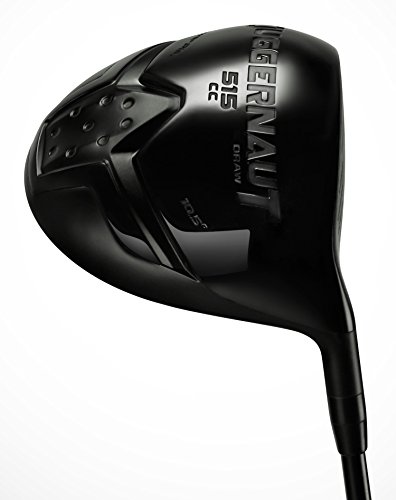
The Juggernaut uses a 515cc head with senior flex graphite shaft to optimize launch and draw bias. The larger head can help stabilize mis-hits and promote a draw-flavored ball flight. Best for senior players who want a larger forgiving head with a draw tendency. Caution: Size and weight may affect players used to standard drivers.
Cobra Darkspeed Adapt MAX-K Driver

The Darkspeed Adapt MAX-K emphasizes extreme aero design and a draw-friendly weighting system. It combines a high-MOI, low-drag profile with an external heel weight and an internal weight pad to encourage a strong draw bias. Best for players who want maximum distance with a draw path and added forgiveness. Limitation: May require a bit more loft or shaft tweaking to optimize for your swing.
Buying Guide: Draw-Bias Driver Considerations
- Face squaring and heel weighting: If your miss tends to push or slice, a draw-biased face and heel weight can help rotate the face closed at impact.
- Head size and MOI: Larger heads with higher moment of inertia reduce twisting on off-center hits, aiding draw consistency.
- Shaft options: Senior vs regular flex affects overall trajectory and control. Choose a flex that matches your swing speed.
- Aero design: Streamlined shapes reduce drag, contributing to swing speed and potential draw distance.
- Left-handed availability: Ensure the model you choose is offered in your handedness to maintain proper alignment and ball flight.
- Non-conforming notes: Some models may be non-conforming to certain rules; verify compliance with your local course rules before purchase.
FAQ
- What is a draw-biased driver?
A draw-biased driver uses weight distribution and face design to promote a right-to-left ball flight for right-handed players, helping counteract common pushes or slices.
- Who should consider a draw-biased driver?
Players who regularly push, fade, or slice or those seeking a more controllable draw on tee shots.
- Are draw-biased drivers legal for tournament play?
Yes, as long as the club conforms to golf governing rules for equipment. Some models may be non-conforming if they exceed certain dimensions or features.
- Should I choose a senior flex or regular flex for a draw driver?
Senior flex is often favored by slower swing speeds seeking more launch and distance, while regular flex suits average swing speeds; match to your swing.
- Do I need to test multiple draw-biased drivers?
Yes. While these models aim to promote a draw, actual performance depends on your swing, shaft, and lie angle. Testing helps identify the best fit.