The best electric keyboard for beginners balances affordable entry, full-size keys, engaging learning features, and portable setup. This guide highlights five entry-level keyboards that help new players build technique, explore sounds, and stay motivated. Ideal buyers include: parents seeking kid-friendly options, students practicing at home, and casual players wanting a simple, expandable instrument.
Overview of selected models:
| Product | Key Facts | Best For |
|---|---|---|
| Yamaha YPT280 | 61 keys, built-in songs, quiz mode, power adapter | Structured learning with interactive features |
| RockJam 61 Key Keyboard Kit | 61 keys, 200 tones, 200 rhythms, teaching function, demo songs | All-in-one starter kit with accessories |
| JIKADA 61 Key Keyboard | Lighted keys, 255 tones, 255 rhythms, 3 teaching modes | Lighted guidance and robust teaching tools |
| Donner 61 Key Keyboard Kit | 249 voices, 249 rhythms, LCD display, stand & stool | Comprehensive kit with setup included |
| Alesis Melody 61 MK4 | 61 keys, 300 sounds, 300 rhythms, lessons, stand | Built-in lessons and extensive sound library |
Yamaha 61-Key Portable Keyboard for Beginners

Key features: 61 full-sized keys, quiz mode for ear training, built-in songs, and a power adapter. This model is best for beginners who want a reliable, straightforward interface with structured practice activities. Note the built-in features are designed for gradual skill-building rather than advanced performance.
Best for: learners who prefer clear, guided practice and reliable Yamaha piano tone without extra gear. Limitation: no on-board recording or advanced professional features, which may matter to serious hobbyists.
RockJam 61 Key Keyboard Piano Kit

Key features: 61 full-size keys with 200 rhythms, 200 tones, a teaching function, and 30 demo songs. It includes a keyboard stand, bench, headphones, and lesson software. This kit is best for beginners who want an all-in-one bundle that supports practice and learning off the bat. Limitation: some users may outgrow the basic teaching features as skills advance.
JIKADA 61 Key Keyboard with Lighted Keys

Key features: lighted keys, 255 tones, 255 rhythms, 50 demo songs, and 3 teaching modes plus note stickers. This keyboard suits beginners who benefit from visual cues and structured step-by-step learning. Caution: performance depends on included teaching modes and may require additional accessories for max use.
Donner 61 Key Keyboard Kit

Key features: 249 voices, 249 rhythms, LCD display, and a full kit with stand, stool, and microphone. Best for beginners who want a complete setup and a broad range of sounds for creative practice. Limitation: the abundance of voices may require time to explore and select favorites for focused learning.
Alesis Melody 61 MK4 Keyboard
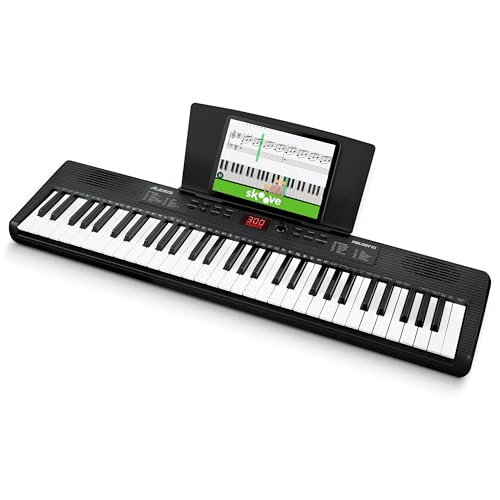
Key features: 61 keys, 300 sounds, 300 rhythms, lessons, and included stand and tablet support. This option is best for beginners who want extensive sound options and integrated lessons from a ready-to-use package. Caution: may be heavier than ultra-portable single-keyboard options.
Buying Guide
- Key count and feel: Most entry-level models use 61 keys. Look for full-size keys if proper finger technique is a priority as you advance.
- Learning features: Quiz modes, built-in songs, demo tunes, and teaching modes help sustain practice. Prioritize devices with integrated teaching tools if you are new to reading music.
- Sound library and rhythms: A larger library supports diverse practice and creative exploration. Consider whether you’ll layer sounds or play along with accompaniments.
- Accessories: Starter kits with stands, stools, and headphones reduce setup friction and enable silent practice when needed.
- Connectivity: AUX‑in, microphone input, and USB/MIDI options enable expansion and learning with apps and software.
- Portability and power: Battery or AC power options add flexibility for practice in different spaces. Check weight if you’ll move the instrument frequently.
- Upgrade path: If you anticipate growing, choose a model with a broad sound set and recording or lesson features that won’t feel limited after a few months.
FAQ
- What should I look for in a beginner keyboard?
Prioritize 61 or more keys, a lighted or guided learning mode, a reliable Yamaha or Alesis sound, and an included stand or stool for comfortable practice.
- Are bundled kits worth it for beginners?
Yes. Bundles with stands, stools, and headphones reduce extra purchases and help create a ready-to-play setup from day one.
- Can I practice without speakers?
Most models have built-in speakers; many offer headphone jacks for silent practice, which is useful in shared spaces.
- Will these keyboards teach reading music?
Several models include teaching modes, demo songs, and lesson integration with apps to support music theory and reading skills.
- Is a lightweight keyboard better for beginners?
Lightweight models are easier to move and store, but ensure the keys still provide a comfortable feel and accurate touch.