When shopping for an energy efficient TV, look for models with efficient processors, LED backlighting, and smart features that optimize power use. This guide highlights five TVs that balance energy efficiency with solid picture quality and smart capabilities. Each option is suited for different needs—from streaming aficionados to gaming enthusiasts and décor-conscious buyers.
| Product | Best For | Key Benefit |
|---|---|---|
| Samsung 43-Inch Crystal UHD U8000H | Everyday viewing, households seeking value | Vibrant 4K with strong energy management |
| TCL 55-Inch QM6K | Sports and gaming fans | Mini LED with high brightness and local dimming |
| LG 55-Inch QNED73B | Color-critical viewing | AI processing and wide color with energy-aware upscaling |
| Hisense 40-Inch QD4SR | Compact rooms and Roku streaming | Hi-QLED color with efficient LED backlight |
| Insignia 43-Inch F50 Series | Budget-friendly 4K smart TV | 4K with Fire TV and Alexa voice control |
Samsung 43-Inch Crystal UHD U8000H Series
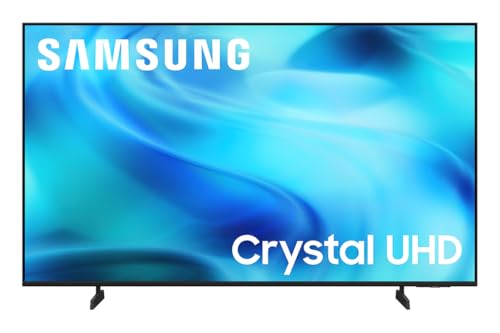
The Samsung U8000H uses a Crystal Processor for vivid 4K color and upscaling, with HDR10 content support. This model focuses on efficient processing to deliver bright, sharp images while managing power use during dynamic scenes. Best for households that want reliable 4K quality without extra energy draw. Limitations: lacks some advanced gaming features at higher refresh settings.
Best for: General living rooms, families seeking strong picture quality and simple energy-conscious performance. It pairs well with streaming services through a built-in smart platform and Alexa compatibility.
TCL 55-Inch QM6K Mini LED QLED 4K

The TCL QM6K blends Mini LED with Quantum Dot color for bright, detailed 4K imagery. The Mini LED backlighting supports precise local dimming, which can improve energy efficiency during dark scenes by reducing overall brightness where not needed. Best for sports and gaming due to smooth motion and high brightness. Caution: premium features may require careful calibration to maximize efficiency.
Best for: Viewers who prioritize contrast and motion handling in brighter rooms. Choose this if you want strong energy-conscious performance without sacrificing color punch.
LG 55-Inch QNED73B Series
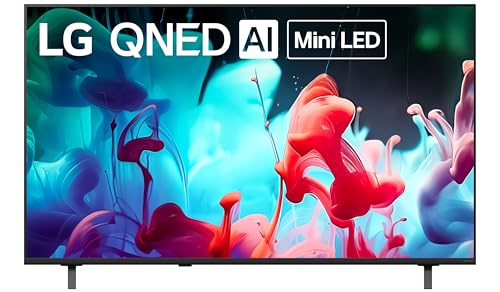
The LG QNED73B pairs Dynamic QNED color with an AI processor that enhances brightness and detail. Energy efficiency is supported by optimized upscaling and HDR processing that avoids wasting power on unnecessary brightness. Best for color-sensitive viewing, home theaters, and mixed-use living spaces. Limitation: higher-end features may require more mature connection setups for best results.
Best for: Color-critical viewing, movie nights, and mixed-use spaces where energy-aware processing matters as part of daily use.
Hisense 40-Inch QD4SR Hi-QLED Roku TV

The Hi-QLED color system in the 40QD4SR provides vibrant color with efficient LED backlighting and Roku streaming built-in. This model suits small spaces or bedrooms, offering a straightforward energy-conscious streaming experience without extra cables. Best for budget-friendly setups that still want robust streaming options. Caution: 40-inch screens may feel less immersive for larger living rooms.
Best for: Compact spaces, dorm rooms, or guests rooms where simple operation and built-in streaming are priorities. Choose this if you want a lower-cost option with efficient performance.
Insignia 43-Inch F50 Series 4K Fire TV

The Insignia F50 Series combines 4K UHD with Fire TV and Alexa voice control. It delivers energy-aware streaming through a familiar platform, with access to a broad range of apps and channels. Best for buyers who want easy voice search and a straightforward smart-TV experience without extra hardware. Limitation: Fire TV experience can be app-centric, which may influence energy usage during heavy app switching.
Best for: Viewers who prioritize a turnkey streaming experience and voice control in a budget-friendly package. Choose this if you want quick access to live TV and a broad app ecosystem while keeping energy use reasonable.
Buying Guide
What to consider when choosing an energy efficient TV
- Panel technology and backlighting: Mini LED and QLED designs can offer improved brightness and contrast with efficient luminance control, aiding energy savings in mixed viewing scenarios.
- Processor and upscaling: AI processors that optimize brightness and noise reduction can reduce unnecessary power use while preserving image quality.
- Smart platform efficiency: Look for TVs with energy-aware modes, adaptive brightness, and efficient standby behavior.
- Room size and viewing distance: Larger rooms may benefit from higher efficiency modes that adjust brightness based on ambient light.
- Usage pattern: For heavy streaming, ensure apps and streaming services are optimized for low power draw and quick wake times.
Frequently asked questions
- What makes a TV energy efficient?
- Do all smart TVs save energy in standby?
- Is Mini LED always more efficient than standard LED?
- Should I prioritize HDR performance for energy efficiency?
- How big should a TV be for a small room?
Energy-efficient TVs use adaptive brightness, efficient backlighting, and smart processing to reduce power use without compromising picture quality.
Standby power usage varies by model. Look for low standby consumption and features like auto-off when idle.
Mini LED can offer better contrast and brightness control with lower power in some scenes, but efficiency depends on usage and brightness settings.
HDR enhances brightness and color where needed, but efficient processing helps ensure HDR doesn’t waste power on unnecessary output.
For compact spaces, 40–55 inches often provide a good balance between immersion and energy use, depending on viewing distance.