Looking for classic, compact rangefinder options that deliver authentic manual control and film-based charm? This guide showcases five standout film rangefinder options. It highlights who each camera is best for, how they differ in use, and practical cautions to consider before buying. Whether you’re reclaiming a vintage look, exploring film photography basics, or seeking a portable collector’s piece, these picks cover a range of budgets and shooting styles.
Summary table of chosen products:
| Product | Best For | Key Benefit |
|---|---|---|
| Canonet QL17 GIII | Compact, fully manual or shutter-priority users | Shutter speed control with auto and manual modes |
| Argus C3 | Budget-friendly entry-level film shooting | Iconic brick design, simple operation |
| Konica Auto S2 (Minolta-branded listing) | Prime lens quality, classic rangefinder feel | Fast 1:1.8 lens, compact |
| KODAK EKTAR H35 | Endless exposures with half-frame option | Easy to use, built-in flash |
| HOLGA 120 Pan | Panoramic, experimental shooters | 90mm lens, panoramic viewfinder |
Canon Canonet QL17 GIII 35mm Rangefinder
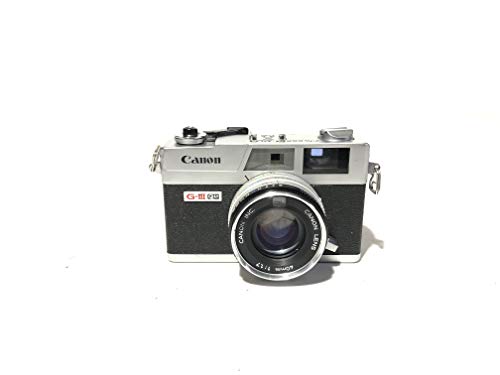
Best for: shooters who want a compact, all-around rangefinder with flexible exposure options. This camera supports Shutter Priority and full Manual modes, offering practical control whether you’re documenting street scenes or portraits with film.
Why selected: As the third generation in the Canonet line, it blends familiar Canon ergonomics with reliable metering and a responsive rangefinder. The combination of auto and manual modes supports both quick captures and deliberate exposure decisions.
Limitation: As a renewed unit, condition can vary; verify shutter speeds and meter accuracy and be aware of potential wear on classic controls.
Vintage Argus C3 35mm Rangefinder Brick Camera

Best for: entry-level film shooters seeking a very affordable, iconic rangefinder experience. Its brick-like build makes it a conversation piece and a straightforward option for learning basic framing and composition.
Why selected: The Argus C3 is a recognizable, simple 35mm rangefinder that delivers a tactile, straightforward shooting experience, ideal for beginners or as a casual collectible.
Limitation: The camera’s rangefinder and exposure system are basic by modern standards; expect slower focusing and limited metering sophistication.
Konica Auto S2 Rangefinder 35mm Film Camera

Best for: users who value a fast, high-quality lens in a compact rangefinder package. The Konica Hexanon 1:1.8 45mm lens delivers a bright field of view and sharp results, making it a preferred choice for street and documentary work.
Why selected: The listing notes a Konica Auto S2 Rangefinder lineage with a capable 1:1.8 lens, emphasizing classic manual focus feel and portability. It’s a strong pick for those who want a premium-feel fixed-lens option.
Limitation: The product line can exhibit inconsistencies in condition; confirm lens clarity and shutter function before purchase.
KODAK EKTAR H35 Half Frame
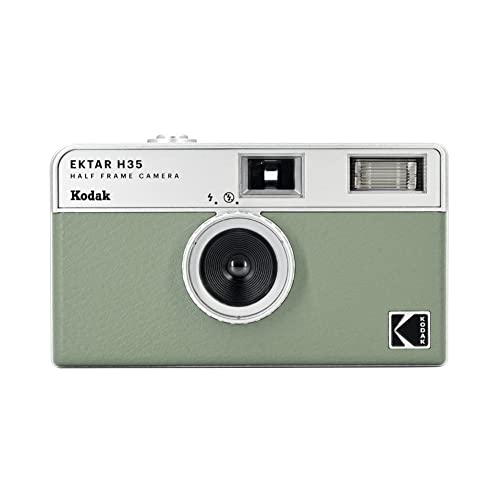
Best for: film enthusiasts who want to maximize roll exposures with half-frame shooting and a lightweight, easy-to-use design. The H35 camera yields greater photo counts per roll without sacrificing approachability.
Why selected: The camera emphasizes film-saving, a built-in flash option, and a lightweight profile, making it attractive for daily carry and casual experimentation with flash photography.
Caution: Half-frame operation requires careful framing; verify that the film advance is reliable and that the lens remains clean for sharp results.
HOLGA 120 Pan Panoramic Medium Format
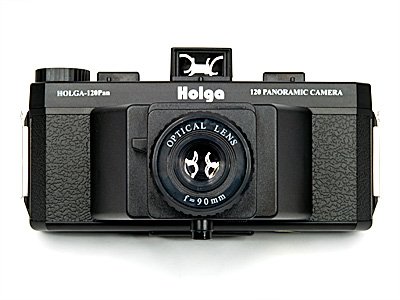
Best for: creative shooters who want panoramic, wide-format results and a distinctive, lo-fi aesthetic. The 90mm panoramic lens helps craft expansive scenes with a nostalgic look.
Why selected: The Holga Pan Panoramic offers a different shooting experience with a built-in panoramic viewfinder, enabling unique compositions and experimentation with light leaks and edge effects that are characteristic of Holga gear.
Limitation: Image quality is intentionally soft and artistic; avoid if you need clinical sharpness or precise exposure control.
Buying Guide
What should you consider when choosing a film rangefinder?
- Budget and condition: Vintage and renewed cameras vary in reliability. Prioritize a model with known history or reputable refurbishments when possible.
- Lens and speed options: Consider whether you want a fixed-lens or interchangeable options and the available apertures/shutter speeds for your shooting style.
- Form factor and handling: Rangefinders differ in size and weight. Choose a comfortable grip and viewfinder alignment for your typical subjects.
- Film format and exposure: Decide between 35mm or medium format, and whether half-frame options match your desire for more exposures per roll.
- Maintenance and parts: Availability of service, replacement parts, and compatibility with common films affects long-term use.
- Creative goals: If you crave a particular aesthetic (sharp modern look, vintage lo-fi, or panoramic compositions), pick a camera aligned with that vision.
Practical tips
- Test the shutter manually and in auto to ensure timing accuracy.
- Inspect the viewfinder for alignment and brightness to confirm precise framing.
- Carry spare batteries if the model uses light meters or electronic features.
FAQ
- What is a rangefinder camera? A rangefinder uses an optical mechanism to measure parallax and focus, offering precise manual focusing and often compact designs.
- Are film rangefinders hard to maintain? Some models require periodic maintenance of shutter timing, lens cleanliness, and viewfinder clarity; availability of parts varies by model.
- Which camera is best for street photography? The Canonet QL17 GIII and Konica Auto S2 are popular for their compact size, fast lenses, and straightforward controls.
- Can I use half-frame cameras today? Yes, but you’ll get twice as many exposures per roll; framing and composition differ due to the smaller image area per frame.
- Do these cameras require batteries? Some models use batteries for light meters or auto exposure; others operate purely manually without power.
- Is a panoramic Holga suitable for beginners? Yes, if you enjoy creative, lo-fi results and don’t mind lower sharpness and high character in the images.