Power reliability matters for food trucks where cooking, refrigeration, and point-of-sale systems demand steady electricity. This guide highlights five top dual- and tri-fuel generators well-suited for food-truck setups. Each option balances power, fuel flexibility, and safety features to support mobile kitchens, catering events, and emergency backup. The listed products are chosen for portability, practical run-time, and transfer-switch readiness to help operators choose the best match for their water-heating, grill, and refrigeration needs.
Summary of selected products for food-truck use (quick reference):
- Westinghouse 12500W Dual Fuel – Strong peak power with remote start and transfer-switch readiness; best for high-load truck kitchens.
- DuroStar DS13000MX – Dual-fuel flexibility with high output; robust for full kitchen loads and RV/mobile use.
- DuroMax XP13000HXT – Tri-fuel capability (gas, propane, natural gas) for fuel flexibility on the road.
- DuroStar DS13000MXT – Tri-fuel with CO alert; ideal for busy food trucks needing safety and versatility.
- WEN DF1100T – 11,000 watts, dual-fuel, wheel-equipped; easy to maneuver and set up near a service window.
Westinghouse 12500W Dual Fuel Home Backup

The Westinghouse model offers 12,500 peak watts on gasoline and up to 11,200 peak watts on propane, with 9,500 running watts (gas) and 8,500 running watts (propane). It includes remote start, a 6.6-gallon tank, and transfer-switch-ready outlets. This choice is best for food trucks needing reliable, high-load capability and a user-friendly start method, especially when running ovens, fryers, or refrigeration in hot or cool weather. Caution: ensure proper ventilation and avoid running indoors.
DuroStar DS13000MX Dual Fuel Portable

Powered by dual-fuel capability, this 13,000-watt generator supports gasoline for maximum power or propane for longer run times and cleaner emissions. It includes a carbon monoxide alert for safety and is designed for whole-home or mobile-backup use. Best for food trucks that need strong peak power to handle ovens or fryers and value fuel flexibility. Limitation: heavier and louder than smaller portable units, requiring careful placement and exhaust management.
DuroStar DS13000MXT Tri Fuel Portable

The DS13000MXT combines gasoline, propane, and natural gas support with 13,000 watts of power and CO Alert for safety. This tri-fuel design is ideal for food trucks that need flexible fuel access during long events or areas with limited propane availability. Best for operators who want maximum uptime and fuel versatility. A caution: the tri-fuel system adds complexity; ensure proper installation and maintenance.
DuroMax XP13000HXT Tri Fuel

The XP13000HXT provides 13,000 watts and supports gasoline, propane, or natural gas. Its robust 500cc engine aims to deliver steady performance for a mobile kitchen, with a CO Alert feature for enhanced safety. Best for food trucks needing reliable tri-fuel operation and strong peak power. Limitation: heavier and more complex fueling options may require trained setup and regular maintenance.
WEN DF1100T 11,000-Watt Dual Fuel
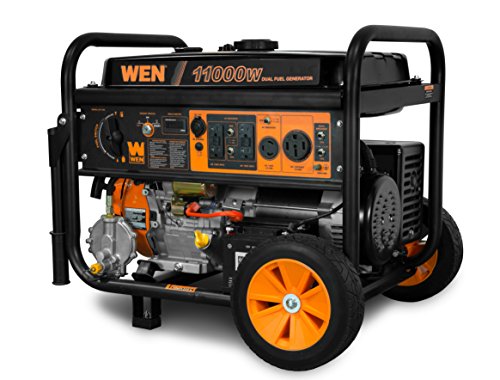
The WEN DF1100T delivers 11,000 surge watts and 8,300 running watts on gasoline, with propane support and a wheel kit for easy movement. It includes a transfer switch-ready configuration, helpful for food trucks that connect to a dedicated power inlet or on-site electrical setups. Best for medium-load mobile kitchens and operators prioritizing ease of transport. Caution: ensure adequate cooling and ventilation when used at full load outdoors.
Buying Guide: Key Purchase Considerations
- Power needs: Estimate peak and running watts for your cooking equipment, refrigeration, lights, and POS systems. Choose a unit with ample headroom for surge loads.
- Fuel flexibility: Dual fuel and tri fuel options increase uptime during events with variable fuel access. Consider local fuel availability and storage concerns.
- Portability and setup: Wheels, handles, and compact footprints ease mobile use. Transfer-switch readiness simplifies integration with business power systems.
- Safety features: Look for CO alert, automatic shutdown on low oil, and proper enclosure design to minimize risk near a food prep area.
- Noise and emissions: Quieter models with EPA considerations help maintain a good customer experience and comply with local noise rules.
- Maintenance needs: Regular oil changes, filter checks, and fuel system care are essential for reliability on the road.
FAQ
- What size generator do I need for a typical food truck kitchen?
– Plan for peak loads from refrigeration, fryers, griddles, and lights. A unit in the 11,000–13,000-watt range often covers common truck setups, with extra capacity for start-up surges. - Is dual fuel safer for food trucks?
– Dual fuel offers flexibility and can improve uptime, but requires careful setup, fuel storage, and maintenance to ensure safe operation and compliance with local codes. - Should I choose a tri-fuel generator?
– Tri-fuel models maximize fuel options (gasoline, propane, natural gas). They are advantageous for long events or roadside operations where fuel access varies. - What safety features are essential?
– CO alert or auto shutoff, proper ventilation, and an accessible shutdown mechanism are key safety features for any generator used near a food prep area. - How should a generator be placed on a food truck?
– Place away from cooking appliances, with proper ventilation, and use a transfer switch or inlet system to safely connect to the truck’s electrical system.