When you need a reliable bond between metal and plastic, selecting the right adhesive matters. This guide highlights five top options that perform well on metal-to-plastic projects, including indoor and outdoor applications. Each pick targets specific use cases, from quick repairs to long-lasting assemblies, so you can choose what fits best for your project and environment.
The following table summarizes the five products and their ideal scenarios to help you compare at a glance.
- Product: Gorilla Max Strength Construction Adhesive — Best for heavy-duty, water-resistant indoor/outdoor fixes.
- Product: Super Glue XXL Value Size — Best for large-volume needs and fast, general bonding.
- Product: Gorilla Super Glue Gel XL — Best for precise, vertical applications with a no-drip gel.
- Product: J-B Weld Plastic Bonder — Best for strong, gap-filling bonds on plastics and coated metals.
- Product: Liquid Super Glue for Metal (LMQ LASH) — Best for fast, clear bonds on metal and metal-to-plastic tasks.
Gorilla Max Strength Construction Adhesive

Brand: GORILLA
- Features: Maximum bond strength with a clear, professional finish for indoor and outdoor projects; dries crystal clear with a non-foaming formula; paintable in 2 hours and sandable after curing; 100% waterproof and suitable for wet surfaces.
Best for: Heavy-duty outdoor fixes, tub/shower maintenance, and projects where you need a strong, waterproof bond that remains invisible. It’s a good choice when you must bond metal to plastic while withstanding moisture.
Caution: Works best on clean, dry surfaces; fully cured bonds require time, so plan for cure steps if you need immediate handling.
Super Glue XXL Value Size
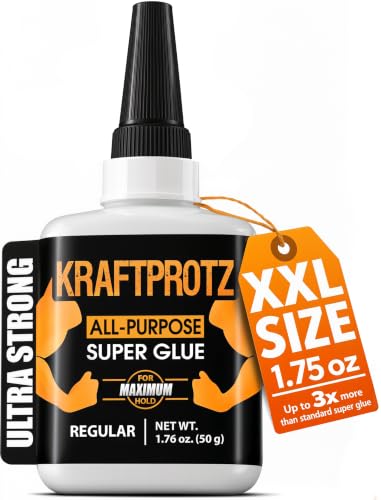
Brand:
- Features: High-performance instant fix for household repairs and heavy-duty tasks; large 50g cartridge for extended use; rapid drying with a crystal-clear finish that remains invisible on intricate surfaces.
Best for: Large-bond projects or frequent repairs where you need a quick, robust adhesive for metal-to-plastic assemblies. Suitable for quick fills and small components that require a fast set.
Limitation: May require clamping in some vertical applications; slower cure in cooler environments can affect handling time.
Gorilla Super Glue Gel XL

Brand: GORILLA
- Features: No-run gel formula for precise repairs and vertical surfaces; anti-clog bottle with a metal pin cap; impact-tough technology for improved strength; dries in 10 to 45 seconds with full cure in 24 hours.
Best for: Precise, small-area bonds on metal and plastic where gravity would cause runny liquids to drip; ideal for vertical or overhead fixes requiring control.
Caution: Gel bonds can be less forgiving on very large surfaces; for bigger joins, consider an epoxy or a stronger structural adhesive.
J-B Weld Plastic Bonder
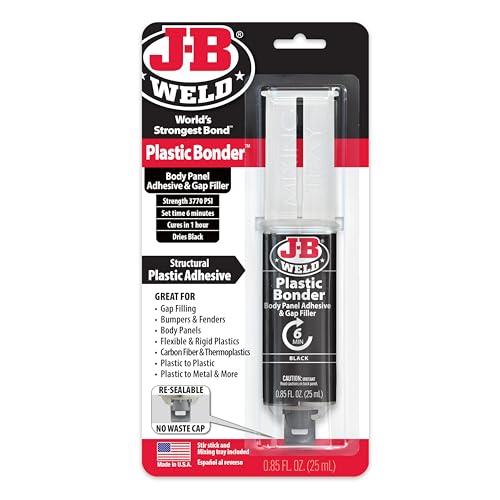
Brand: J-B Weld
- Features: Quick-set, 1:1 mixing ratio; 15-minute set time; 3770 psi tensile strength; fills gaps and bonds plastics, coated metals, concrete, and more.
Best for: Plastic-to-metal bonds that require a strong, gap-filling adhesive with a faster set than many epoxies. Suitable for automotive plastics and coated metal repairs.
Limitation: Requires proper mixing and surface preparation; longer cure times may be needed for full strength in larger joints.
Liquid Super Glue For Metal (LMQ LASH)

Brand: LMQ LASH
- Features: High tensile strength for metal joints; fast-setting formula; clog-prevention design with precision tip and airtight cap to keep the bottle fresh.
Best for: Quick, clear bonds on metal-to-metal or metal-to-plastic tasks where a rapid, strong fix is required and cosmetic appearance matters.
Caution: As with many cyanoacrylate glues, bonds can be brittle under flexible or highly stressed joints over time; consider a more flexible epoxy for moving assemblies.
Buying Guide: Choosing The Right Glue For Metal To Plastic
What glue type suits metal-to-plastic bonds?
Epoxies and cyanoacrylate adhesives dominate this space. Epoxies offer strong, gap-filling, durable bonds and better resistance to solvents. Cyanoacrylates cure quickly and work well on small, precise areas or when you need a fast fix. Gel formulas reduce dripping on vertical surfaces, while liquid formats provide rapid setting for flat, broad joints.
What matters when selecting for indoor vs. outdoor use?
Water resistance and UV stability are key outdoors. Look for products labeled waterproof or designed for exterior use. Indoor projects may tolerate standard bonds, but paintable or clear cures help keep aesthetics clean in visible areas.
How important is cure time and clamp requirements?
Fast-setting glues save time but may require clamping for alignment. If you’re working on vertical surfaces or small parts, gel or two-part epoxies with a longer open time can improve accuracy and strength.
What about safety and surface prep?
Clean, dry surfaces provide the best adhesion. Roughen smooth plastics or metals with a light abrading to improve grip. Ventilate well and follow the product’s safety guidelines, especially with strong solvents or fumes.
How to compare for a mixed metal-to-plastic project?
For a project needing both high strength and cosmetic appeal, consider an epoxy like Gorilla 2 Part Epoxy for a durable, clear bond and a gel adhesive for precise, vertical areas. If you need speed on a small area, use a quick-set cyanoacrylate with a precision applicator.
Common questions
- Can I bond metal to plastic with a single product? Yes, several options perform well, including epoxy and cyanoacrylate adhesives, depending on load, environment, and cure time requirements.
- Is waterproof adhesive necessary for all metal-to-plastic projects? Not always, but outdoor or wet environments benefit from waterproof formulas to prevent degradation.
- Do I need to clamp? Some formulas dry with minimal clamping; others benefit from temporary holding to ensure alignment.
- Will clear or paintable adhesives look better on visible joints? Yes. Choose clear, paintable formulas for a clean finish in exposed areas.
- Are gel formulas better for vertical surfaces? Often, yes. Gel reduces runny glue and helps keep the bond in place while curing.
- What is a “gap filler” adhesive? Some products are designed to fill voids between uneven surfaces, improving strength and final appearance.