Looking for a versatile guitar multi-effects processor that suits practice, recording, and live performances? This guide highlights five strong options and who they’re best for. Each picks emphasizes flexibility, tone quality, and user-friendly controls to help you compare at a glance. The buying table below summarizes core features to aid quick assessment for different playing styles.
| Product | Best For | Key Strength |
|---|---|---|
| MOOER GE150 Pro | Live performers needing deep ROM and flexible switching | 200 presets, 55 amp models, 26 cab sims, 4 footswitches |
| MOOER GE100 | Practice players building a personal tone library | 80 presets, 66 effects, intuitive saving |
| Zoom G1X Four | Practice and compact practice rigs with looping | 71 effects, 13 amp models, 30s looper |
| HEADRUSH Flex Prime | Advanced tone sculpting with NAM or cloud features | 4″ touchscreen, 700+ emulations, NAM Support |
| Flatsons KMF-1 | Studio and live use with robust DSP and IR sampling | 512-point IR, 77 effects, 18 amps, 18 cabinets |
MOOER GE150 Pro Guitar Multi Effects Processor

The GE150 Pro combines extensive modeling with MNRS-based tones. It ships with 200 factory presets, 55 amp preamps, and 26 cabinet simulations. An upgraded control logic supports four footswitches for patch navigation and live switching. An integrated expression pedal enables dynamic control of parameters and volume. One edition runs on mains power, while another variant provides long battery life for gigging. Best for players who need a powerful, portable rig with deep tone options and flexible stage control.
Who it’s best for: Players performing live who want a robust set of tones and hands-on control. Why selected: It offers a broad tonal library and flexible footswitch usage to adapt on the fly. Caution: Battery life varies by model and usage; the Pro Li edition claims longer life but may still require mains power for full sessions.
MOOER GE100 Multi-Effects Guitar Pedal

The GE100 provides 80 preset patches plus 80 user patches, making it ideal for building a personal tone library. It includes 8 effect modules with a total of 66 effect types and six assignable expression parameters. The device emphasizes quick saving and easy control for real-time tone shaping. Best for players who want a compact, affordable board with a strong tone library and intuitive editing. Caution: Fewer amp/cab models compared to larger floor units, which may limit arena-ready tone options.
Zoom G1X Four Guitar Multi-Effects Processor

Zoom’s G1X Four offers 71 effects and 13 amp models, making it a versatile practice tool. The 30-second looper supports real-time layering, while 68 built-in rhythm patterns provide a full backing band experience. It’s well-suited for practice, songwriting, and small-stage use where portability matters. Best for budget-conscious players who still want a broad effect palette and looping. Caution: Some users may find the user interface less intuitive for advanced presets compared to higher-end units.
HEADRUSH Flex Prime Electric Guitar Multi-Effects Pedal

The HEADRUSH Flex Prime emphasizes range and modern features. It features a 4″ color touchscreen on a powerful multi-core processor, delivering a vast library of effects, amp/cab/mic models, and impulse responses. NAM Support with TONE3000 Access enables cloud-based tone sharing. It’s ideal for players who want deep customization and cloud-connected tone editing. Caution: The learning curve can be steeper due to the depth of features and the cloud features requiring online access for optimum use.
Flatsons KMF-1 Multi-Effects Guitar Pedal
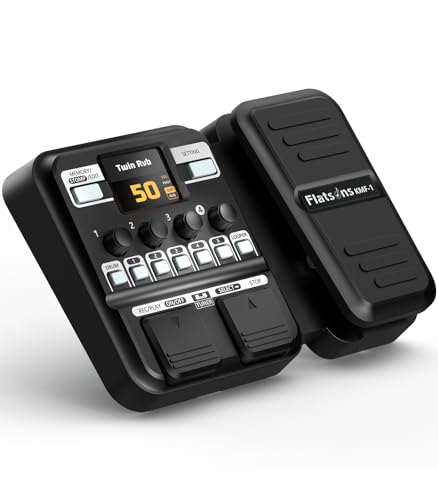
The Flatsons KMF-1 features advanced DSP with TSAC, 512-point IR sampling, and 32-bit processing for precise cabinet and amp simulations. It includes 77 effects across eight modules and 18 amp models with 18 cabinet simulators. Built-in tuner, 30-second looper, and 42 drum rhythms enhance live play and practice. Best for players seeking deep cabinet and amp simulations with a broad effect selection. Caution: Higher-end DSP features may demand more processing power and troubleshooting if used with limited power supplies.
Buying Guide
What should you consider when choosing a guitar multi-effects unit?
Think about usage context: live gigs, practice, or studio work. Consider the number of effects, amp models, and cabinet sims, as well as how you’ll control patches on stage. A device with multiple footswitches helps you switch tones quickly during performances.
How important are built-in looper and rhythm features?
ALooper lets you layer ideas during practice or songwriting sessions. Built-in rhythm patterns provide a companion backing track, useful for keeping time when practicing without a drummer.
Does cloud connectivity or AI tone assistance add value?
Cloud features enable tone sharing and access to premium amp captures, which can accelerate tone discovery. AI tone assistants help dial in professional-sounding presets, though they may require reliable internet connections for optimal use.
Which device offers the best balance of tones and portability?
Lower-cost units like Zoom G1X Four and MOOER GE100 provide broad effect palettes in compact formats, ideal for practice and travel. Higher-end options with NAM or cloud support suit studio and live rig needs.
What about power and durability for touring?
Look for mains power flexibility or long-life batteries if you perform away from outlets. Solid build quality and reliable footswitches are key for on-stage reliability.
Summary of key features to compare
- Number of presets and editable patches
- Range of amp and cabinet models
- Footswitch count and assignable controls
- Looper length and rhythm options
- NAM or cloud-connected features
Frequently asked questions
- What is a multi-effects processor used for? It combines multiple guitar effects, amp models, and cabinets into one unit for practice, recording, and live playing.
- Do I need NAM or IR-based cabinets? NAM and impulse responses provide more authentic cabinet tones and can improve stage realism when mic’ing a real amp isn’t possible.
- Is looping necessary in a multi-effects pedal? Not required, but it adds layering and songwriting flexibility for practice or small performances.
- Can I save my own tones? Most models offer user patches that you can save and recall during sessions for quick changes on stage.
- Should I choose a device with cloud features? Cloud features are useful for tone sharing and accessing premium tones, but they require internet access during setup and tone edits.
- Is price a reliable indicator of quality? Higher-end models offer deeper tone controls and larger libraries, but many players find excellent value in mid-range options depending on their needs.