The best headphones for a digital piano deliver accurate sound, comfortable long sessions, and reliable isolation for practice, recording, and mixing. This guide highlights five strong options, explains who each is best for, and compares core features. Whether you’re a casual pianist, a home-studio musician, or a keyboardist building a portable rig, these picks help you hear every note with clarity.
| Product | Best For | Key Benefit | Limitations |
|---|---|---|---|
| OneOdio Studio Monitor Headphones | Home studio, mixing | Large 50mm drivers with strong bass and clear highs | Coiled, potentially heavy for long wear |
| PHILIPS Over-Ear Headphones | Podcasting and general listening | 40mm drivers with good passive isolation | Not specialized for critical studio mixing |
| Yamaha HPH-50B | Compact on-the-go practice | 90-degree swivel for comfortable fit | Smaller drivers, less bass than pro models |
| Audio-Technica ATH-M20x | Budget studio work | Professional design with tuned low end | Passive comfort can vary by user |
| Sony MDR7506 | Professional monitoring | Detailed, reliable sound with wide frequency response | Older design, heavier cord |
OneOdio Wired Over Ear Headphones Hi-Res Studio Monitor

Selected for musicians who need robust bass and reliable mid-to-high clarity during practice, recording, or live-keyboard sessions. The 50mm drivers and neodymium magnets emphasize a powerful low end without overly muddy pockets, making them suitable for electronic keyboard tracks and piano-plus-virtual-instrument setups.
Best for: Home studios, DJs, and keyboard players who require single-side monitoring for cueing during mixing. Why: The 90° swiveling cups support one-ear monitoring and easy orientation during sessions.
Caution: Long sessions can become fatiguing if the clamp is tight, and the cable format may feel bulky for mobile use. The product is designed for pro-style monitoring, which can translate to a heavier build.
PHILIPS Over-Ear Wired Stereo Headphones
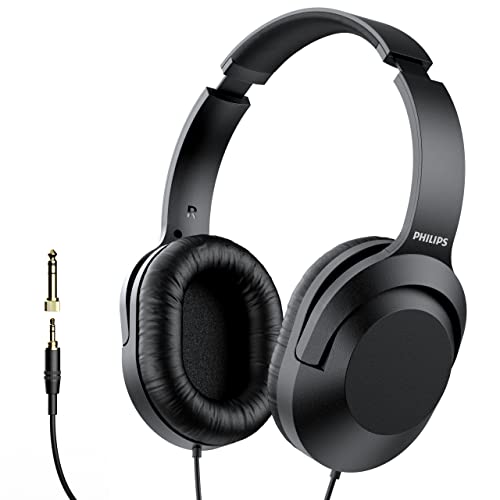
Offers crisp, clear sound with 40mm drivers and strong passive noise isolation. The included 1/4″ adapter adds versatility for home studios, keyboards with audio interfaces, and professional gear. Comfort is prioritized via soft ear cushions and an adjustable headband for longer sessions.
Best for: Podcasters and keyboard players who need dependable sound for monitoring and casual listening. Why: The combination of comfortable fit and adapter options makes it a flexible choice for studio work or home use.
Caution: Not a specialized monitoring headphone; very demanding mixing tasks may benefit from a more analytical pair of headphones with flatter response curves.
Yamaha HPH-50B Compact Closed-Back Headphones

Compact and stylish with a 90-degree swivel that suits instrument practice and mobile setups. The closed-back design enhances passive isolation, helping you focus on piano tones without ambient distraction. The 2-meter cord affords comfortable reach from instrument to interface.
Best for: Players who practice on the go or want a lightweight monitor for live keyboard performances. Why: The swivel and portability make them easy to wear during quick practice sessions or travel gig setups.
Caution: Smaller drivers may not deliver the strongest bass response compared with larger studio models.
Audio-Technica ATH-M20x Professional Studio Monitor Headphones

Renowned for solid build quality and reliable studio performance on a budget. The 40 mm drivers with copper-clad aluminum voice coils emphasize a balanced low end, aiding piano players who need faithful monitoring without coloration. Suitable for tracking and mixing in small studios connected to digital pianos.
Best for: Home studios and entry-level professionals seeking dependable monitoring. Why: A proven design with a focus on accurate reproduction for critical listening.
Caution: Comfort and clamp pressure can vary; users with sensitive ears might prefer alternatives with lighter headbands.
Sony MDR7506 Professional Large Diaphragm Headphone

Long-standing standard for professional monitoring with neodymium magnets and 40 mm drivers delivering detailed, analytical sound. The closed-ear design minimizes external noise, ideal for critical piano monitoring and studio work. Cord is long and non-detachable, with a 1/4″ adapter provided for compatibility with many audio interfaces.
Best for: Professionals and serious hobbyists seeking a classic, reference-grade monitor. Why: Its neutral response and durable build support consistent monitoring across sessions.
Caution: The cord is not detachable, which can hinder portability; consider storage plan for travel use.
Yamaha RH1C Portable Stereo Headphones

Simple, portable listening with a frequency range of 20 Hz to 20 kHz and a standard 8-foot cord. While not a flagship studio model, they provide reliable performance for practice and casual monitoring of piano performances and MIDI playback.
Best for: Pianists on the go who need light, uncomplicated headphones. Why: Compact design and wide frequency coverage suit practice and general listening. Caution: Lacks some of the high-fidelity detail found in higher-end monitors.
Buying Guide: Key Purchase Considerations
- Purpose and environment: Choose headphones tailored to practice, recording, or monitoring in a home studio. If you need mobility, prefer lightweight, compact models with good isolation.
- Driver size and sound signature: Larger drivers (around 50mm) typically deliver stronger bass and fuller lows, which can help piano enthusiasts hear piano and synth layers clearly. For critical mixing, look for flatter frequency response and detail in highs and mids.
- Comfort and fit: Long practice sessions require cushioned earpads and an adjustable headband. Consider clamp force and weight to prevent fatigue.
- Durability and cable design: Detachable cables and sturdy connectors benefit longevity and portability. Non-detachable cords are common in older or budget models but can hinder travel use.
- Isolation and openness: Closed-back designs reduce ambient noise and keep the piano focus isolated. Open-back headphones excel in accurate soundstage but leak sound and allow more external noise in.
- Connectivity: Ensure compatibility with your digital piano, audio interface, computer, or amp. The 1/4″ adapter is a common plus for studio gear compatibility.
- Budget and flexibility: Entry-level monitors offer solid monitoring for practice and basic mixing. Mid-range options balance detail, comfort, and durability for long sessions.
Frequently Asked Questions
- What headphone type is best for digital piano practice?
- Should I choose larger drivers (50mm) or smaller drivers for piano monitoring?
- Are detachable cables important for piano work?
- Is ion-noise isolation necessary for recording at home?
- Can I use regular listening headphones for piano work?
- Do I need a specialized piano headphone if I use a keyboard with built-in speakers?
Closed-back over-ear headphones are typically best for practice because they provide solid isolation from ambient noise and minimize sound leakage to others in the room.
Larger drivers can deliver stronger bass and a fuller overall sound, which helps in hearing synthetic piano textures and bass lines. For critical mixing, consider headphones with a flatter response and clear mids/highs, even if drivers are smaller.
Detachable cables improve durability and portability, especially for mobile setups. They also simplify replacement if a cord wears out.
Yes, good isolation helps you focus on piano cues and vocal tracks without external interference, improving monitoring accuracy during recording.
Yes, but dedicated studio monitors or pro-quality headphones typically offer more accurate frequency response and comfort for longer sessions.
No, but specialized monitoring headphones help avoid overloading speakers or altering the tone from the keyboard’s output, especially when using virtual instruments.