Looking for a headset microphone that reliably amplifies your voice for speaking engagements, teaching, or presentations? This guide highlights five strong options designed for clear vocal pickup, comfortable wear, and easy setup. Each pick targets a different use case—classroom teaching, public speaking, or live performances—so you can choose the best fit for your setting and budget.
Overview of top picks
| Product | Best For | Why It Stands Out |
|---|---|---|
| Pyle Pro Dual Over-Ear Headset | Presenters needing professional sound | Omnidirectional condenser with stable fit and 4-pin Mini XLR |
| J K Pro Earhook Headset MIC-J 071S | Shure wireless system users | Compact, detachable Mini XLR, compatible with Shure systems |
| Shure PGA31-TQG Headworn | Active speakers and vocalists | Secure headframe, cardioid pickup for higher gain-before-feedback |
| Norwii Bluetooth Voice Amplifier Headset | Teachers and outdoor instructors | Wireless amp with wired headset, clear amplification |
| WinBridge WB002 Voice Amplifier | Classroom presenters and tour guides | Bluetooth amp with wired headset mic, 15W output |
Pyle Pro Dual Over-Ear Headset Microphone

The Pyle headset uses an omnidirectional condenser element for clear vocal pickup with an output impedance around 2kΩ. It ships with a 4-pin Mini XLR connection, making it compatible with body pack transmitters or direct studio mixer inputs. A durable, flexible design supports extended wear, and the double ear frame fits wearers who wear glasses or hats. Best for presenters who need solid, studio-like voice clarity without external noise amplification.
Who it’s best for: presenters, conference speakers, and educators who require reliable, hands-free mic performance in fixed setups. Caution: XLR connections may require compatible receivers or adapters for some systems.
J K Pro Earhook Headset MIC-J 071S
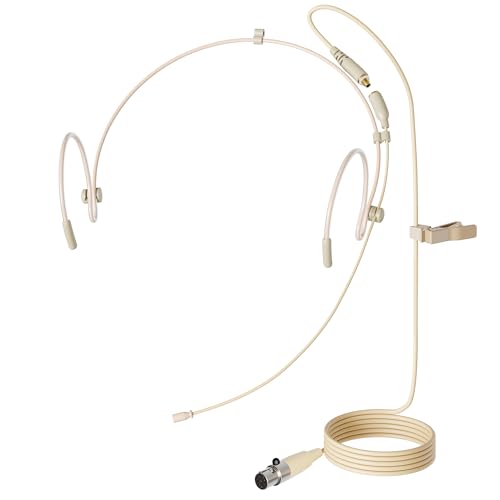
The J K Pro Earhook headset is designed for compatibility with Shure wireless systems via a Mini XLR TA4F connector. It emphasizes sweat and dust resistance in indoor and outdoor activities and delivers clear vocal pickup with an omnidirectional condenser element. Best for users already in Shure ecosystems or needing a compact, detachable mic for active speaking roles.
Who it’s best for: users on Shure wireless setups seeking a attachable, stable headset mic with straightforward compatibility. Caution: Not all non-Shure transmitters will work without adapters.
Shure PGA31-TQG Headworn Microphone

The Shure PGA31-TQG is a headworn microphone with a secure frame designed for active speakers and performers. Its permanently charged electret cartridge provides detailed, crisp vocals, while the cardioid pickup pattern helps reject background noise. Best for vocalists or lecturers who move across a stage or classroom, seeking stable sound with higher gain-before-feedback.
Who it’s best for: performers and educators needing reliable, hands-free vocal clarity. Caution: Cardioid pattern may still pick up proximal noise if the mic is worn too close to the mouth.
Norwii Bluetooth Voice Amplifier Headset
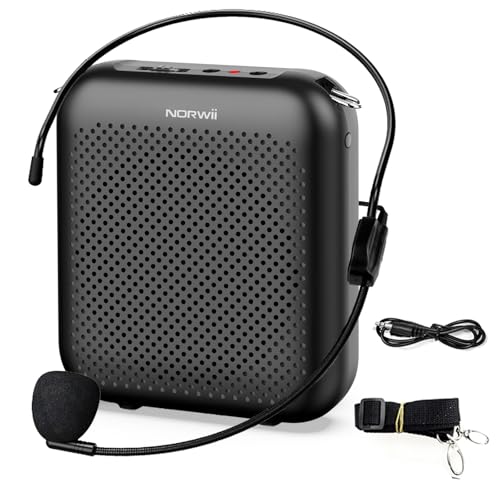
The Norwii system pairs a portable amplifier with a wired headset microphone. It emphasizes teaching and outdoor use, delivering up to 2000mAh battery-powered operation for extended sessions. Clear sound, reduced throat strain, and a practical design make it a strong option for classrooms, tours, and fitness classes. Best for educators who want a fully portable teaching solution without cords running to a podium.
Who it’s best for: teachers and tour guides who need reliable amplification in varied environments. Caution: Bluetooth pairing can introduce a small setup step and may require occasional re-pairing after power changes.
WinBridge WB002 Voice Amplifier with Microphone

The WinBridge WB002 combines a 15W amplifier with a wired headset microphone for classrooms, tours, and public speaking. It offers easy pairing, a long battery life, and a straightforward workflow. Best for presenters who want a ready-to-use portable system with minimal setup. Caution: For very large spaces, the 15W output may be less expansive than higher-watt models.
Buying Guide
What to consider when choosing a headset microphone for speaking:
- Microphone type and pickup pattern: Omnidirectional mics capture sound from all directions, while cardioid mics focus on the mouth area to reduce ambient noise. Choose based on your movement and environment.
- Connection and compatibility: Ensure the mic matches your transmitter system (4-pin Mini XLR, TA4F, or compatible with Bluetooth-enabled amps). Check if adapters are needed for your mixer or wireless system.
- Fit and comfort: A secure, adjustable headset frame reduces mic repositioning during speaking. If you wear glasses or hats, a light frame and flexible boom help comfort.
- Portability versus power: True portable amps (1500–2000mAh range) suit classrooms and tours; higher-watt systems suit larger rooms or outdoor events.
- Distance and feedback: Cardioid patterns and close-mouth operation help minimize feedback in loud rooms. Keep the mic at a consistent distance from the mouth to maintain level and clarity.
- Maintenance: Look for lightweight materials and durable connectors. Windscreens reduce plosive sounds and wind noise in outdoor settings.
Practical setup tips
- Test the mic with your room’s acoustics before a live session.
- Position the microphone boom just below the mouth, angled slightly toward the chin for consistent pickup.
- Keep wireless receivers within line-of-sight reach to avoid dropouts.
FAQ
Q: Which headset is best for classroom use?
A: The Norwii and WinBridge options are designed for teachers with portable amplification and easy setup in classrooms.
Q: Can I use these mics with a standard mixer?
A: Yes, but verify connector compatibility (4-pin Mini XLR or Mini XLR TA4F) and whether you need adapters.
Q: Do these headsets require batteries?
A: Many include powered amplifiers or wireless packs; battery life varies by model and usage. Check the product page for specifics on battery life.
Q: Are omni-directional mics better for stage movement?
A: Omnidirectional mics capture from all directions, which can be helpful for stable pickup when the speaker moves a lot, but they may also pick more background noise in loud rooms.
Q: Is a higher watt amplifier necessary for large venues?
A: For very large rooms or outdoor events, a higher-watt amplifier (beyond 15W) may provide more consistent coverage and volume.
Conclusion
Choosing the right headset microphone depends on your environment, the size of the space, and how much mobility you require. For fixed-stage or podium use, the Pyle or Shure PGA31-TQG options emphasize sound clarity and reliable feedback control. For mobile teaching or touring, the Norwii or WinBridge systems deliver practical, portable amplification. If you already use Shure transmitters, the J K Pro Earhook provides a compatible, compact solution. Use the buying guide to align a mic’s features with your speaking needs and space constraints.