If you’re planning outdoor adventures and need reliable warmth, these camping heaters are targeted for outdoor use, portability, and safety. The best picks include propane and electric models to cover tents, cabins, and camp sites. This guide highlights who each heater is best for, why it was selected, and notable trade-offs to consider before buying.
Quick comparison table of selected products
| Product | Best For | BTU / Heating Style | |
|---|---|---|---|
| Mr. Heater 9,000 BTU Portable Buddy Radiant Propane Heater | Small tents and portable warmth | 4,000 or 9,000 BTU/hr radiant heat | |
| GiveBest Space Heater (Indoor/Portable) | Home base camp living spaces and huts | 750W / 1500W (dual modes) | |
| WINHL Portable Electric Heater (70° Oscillation) | Small indoor spaces in cabins or tents with power | ||
| GasCalorix Portable Propane Heater For Camping | Open-air camp setups and patios | ||
| Mr. Heater 18,000 BTU Big Buddy PRO Series Heater | Larger tents and extended stays | 4,000 / 9,000 / 18,000 BTU |
Mr. Heater 9,000 BTU Portable Buddy Radiant Propane Heater
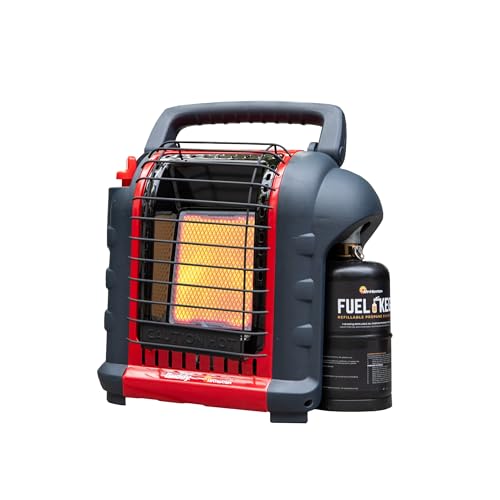
Best for lightweight camping and small tents. This unit offers 4,000 or 9,000 BTU/hr radiant heat and is designed for indoor and outdoor use, heating up to about 225 square feet. Choose this if you need quick, portable warmth with a compact footprint. The limitation is that it relies on propane, so fuel availability and storage are considerations for extended trips.
GiveBest Space Heater

Best for indoor-style warmth at a campsite or cabin corner. This 2-in-1 heater offers dual heating modes (1500W/750W) plus a cool air fan, with automatic thermostat control to maintain your preset temperature. Its multi-protection safety system includes overheat, tip-over, and flame-retardant materials. It’s ideal when you want flexible heating alongside fan cooling, but it’s best used where electrical outlets are accessible.
Space Heater, WINHL Portable Electric Heaters

Best for small indoor spaces in cabins or tents with accessible power. It uses advanced PTC ceramic heating technology for rapid warmth and features wide-angle auto-oscillation for even coverage. A remote control adds convenience for adjusting temperature and modes from a distance. The caveat is that it requires a power source, which may limit use in backcountry off-grid areas.
GasCalorix Portable Propane Heater For Camping Outdoor
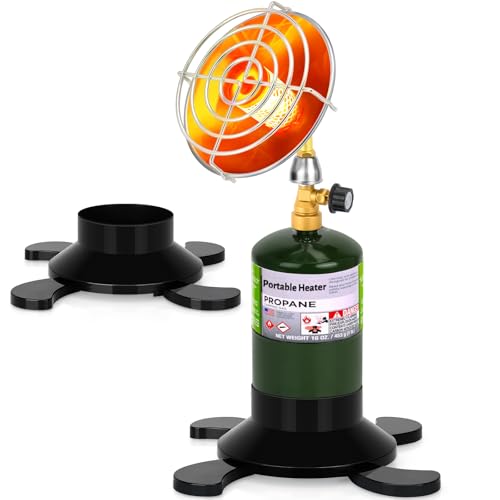
Best for extended outdoor use in open air or semi-sheltered spaces. This portable propane heater supports 1 lb cylinders (fuel not included) and offers two heating modes for adjustable comfort. It heats up to about 200 square feet quickly. Better for mobility and quick warmth in outdoor environments; a caution is fuel management and ensuring ventilation to avoid gas buildup in enclosed tents.
Mr. Heater 18,000 BTU Big Buddy PRO Series Heater
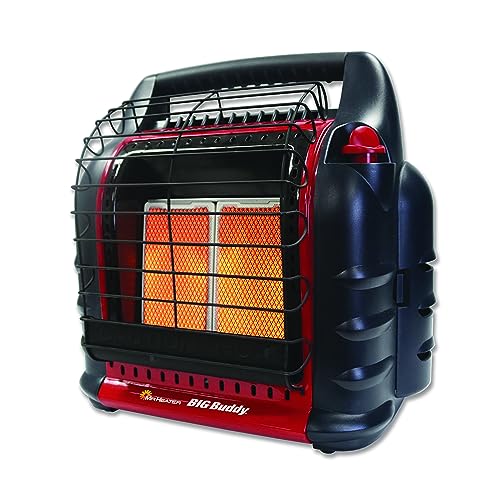
Best for larger tents or longer stays where higher warmth is needed. This Big Buddy PRO offers 4,000, 9,000, and 18,000 BTU settings and can heat up to 450 square feet, with long runtimes on two 20-lb propane tanks (low setting). It’s selected for space and efficiency in bigger camping environments. The limitation is higher fuel consumption at top settings and a larger footprint than smaller units.
Buying Guide: Key Considerations For Camping Heaters
What space will you heat?
Estimate the area you need to warm and choose a heater with BTU output appropriate for that space. Smaller tents often require 4,000–9,000 BTU, while larger tents or shelter-equipped areas may benefit from 18,000 BTU options or multiple units.
Fuel vs. electricity
Propane heaters are common for camping due to portability and fuel availability, but they require proper ventilation and fuel storage. Electric heaters work well where outlets exist but limit mobility and off-grid use. Consider a hybrid approach if you have both power and fuel options on site.
Safety features
Look for tip-over shutoff, low-oxygen detection, and automatic shutoffs. For propane models, ensure proper ventilation and follow manufacturer instructions for tent use. For electric models, ensure the area is dry and free from clutter that could block airflow.
Portability and setup
Assess weight, carrying handles, and setup complexity. Foldable bases or compact designs improve transport. If using in tents, choose models specifically rated for tent use with appropriate height and clearance.
Maintenance and fuel management
Plan for regular fuel checks and replacement parts. For dual-fuel options, keep canisters and hoses in good condition and inspect for leaks before each use. Store fuels according to local regulations and safety guidelines.
Usage scenarios
Match the heater to your typical camping scenario—overnight tent camping, RV trips, backyard camping, or car camping. A smaller unit may suffice for quick warmth, while a larger unit supports longer stays in cooler environments.
Frequently Asked Questions
- Can I use propane heaters inside a tent? Use only if the tent is well-ventilated and follow the manufacturer’s safety instructions. Many tents are not designed for continuous open-flame use, so ventilation is essential.
- Is it safe to run electric heaters in cabins or tents with power? Yes, when plugged into a proper outlet and used with caution. Keep away from water and use a surge-protected power source if possible.
- What should I consider when choosing BTU for camping? Larger spaces require higher BTU output. For small spaces, 4,000–9,000 BTU usually suffices; for larger tents, 18,000 BTU or more may be needed.
- Do camping heaters require maintenance? Yes. Regularly inspect hoses, tanks, and burners for leaks or wear. Replace any damaged parts and store fuels safely.
- Are dual-fuel heaters better for campers? They offer flexibility, allowing fuel choices based on availability and trip location, but require more maintenance and safety checks.
- What safety accessories should I have? A carbon monoxide detector, fire extinguisher, proper ventilation, and fuel storage containers suitable for camping use are recommended.