Answer: For tent camping, choose portable, fuel-efficient heaters with built-in safety features and appropriate heat output. The top options below are best for tents, camping, and outdoor shelters, each suited to different use cases—from solo trips to small group campouts. This guide highlights five compact, tent-friendly heaters with clear reasons to choose or avoid each one, plus a practical buying guide and FAQs.
| Product | Best For | Key Benefit |
|---|---|---|
| Mr. Heater 9,000 BTU Portable Buddy | Small tents & single occupancy | Balanced heat for portable warmth |
| Gasfargo Portable Outdoor Heater (9,000 BTU) | Versatile outdoor use | Dual fuel capability with butane/propane |
| Vrygle Portable Hot Tent Stove | OFF-grid tent heating & cooking | Complete stove kit with chimneys |
| GasCalorix Portable Propane Heater | Compact camping & tailgating | Two heating modes, quick warm-up |
| Mr. Heater 18,000 BTU Big Buddy Pro | Group camping & larger tents | Higher heat for bigger spaces |
Mr. Heater 9,000 BTU Portable Buddy Radiant Propane Heater
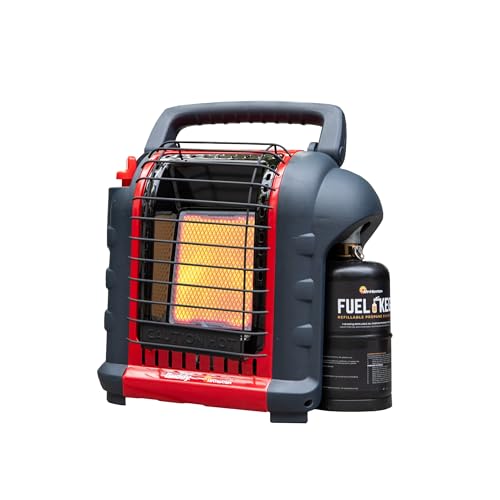
Features: Emits 4,000 or 9,000 BTU/hr radiant heat. Designed and approved for indoor and outdoor use. Heats up to approximately 225 square feet.
Best for: Solo campers or small tents where a compact, reliable heat source is needed. The dual-heat setting offers flexibility for milder nights or cooler conditions.
Why selected: Its portability and dual BTU options provide adaptable warmth without consuming excessive fuel. The indoor/outdoor approval adds versatility for sheltered backyards or porch camping.
Limitations: Suitable for spaces up to about 225 square feet; very large tents may require higher BTU options or supplementary heating.
Gasfargo Portable Outdoor Heater with 8FT Hose

Features: Dual-fuel capability (butane/propane), includes an 8FT hose, and supports safety shutoffs such as tip-over and low-oxygen sensors. Heats up to 200 square feet, with two adjustable heating modes.
Best for: Tent camping setups where you want flexibility with fuel choice and a longer hose for safer placement away from tent walls.
Why selected: The dual-fuel design and extended hose provide practical options for fuel availability and safer outdoor use. It’s a strong choice when fuel sources vary on a trip.
Limitations: Requires careful fuel management; ensure proper storage and venting to avoid gas buildup around enclosed spaces.
Portable Propane Heater for Camping Outdoor
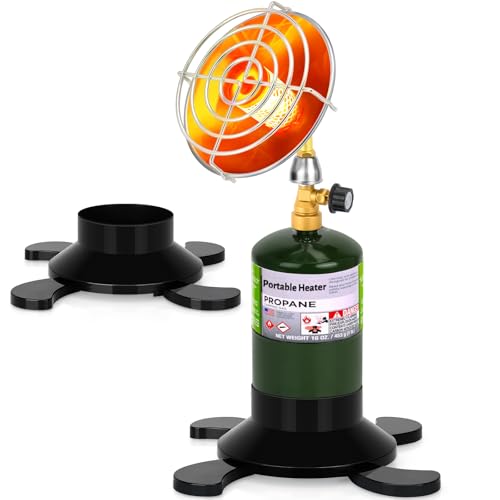
Features: Heats up to 200 square feet, two heating modes, uses 1 lb propane cans (not included). Includes a foldable base and die-cast burner for quick warmth in seconds.
Best for: Small-to-medium tent setups where minimal footprint and rapid heat are top priorities.
Why selected: The compact design and fast heating make it ideal for quick warmth during chilly nights or late-season camping.
Limitations: Propane cans are not included; plan fuel supply accordingly for multi-night trips.
portable Hot Tent Stove camping heaters for tents

Features: Outdoor-ready burning tips; six detachable chimney pipes up to 73.23 inches; complete stove kit with ash scraper, spark arrestor, gloves, and more. Includes adjustable airflow damper and a glass viewing window.
Best for: Campers who want a robust heat source plus cooking capability in larger tents or outdoor shelters with proper ventilation.
Why selected: A complete stove kit with chimney system enhances heat distribution and safety by venting combustion gases outdoors, reducing indoor smoke buildup.
Limitations: First-use burn should be outdoors; wood and fuel quality affect smoke and efficiency. Not suitable for use inside tent during initial burn or when damp wood is used.
Mr. Heater 18,000 BTU Big Buddy Pro Series
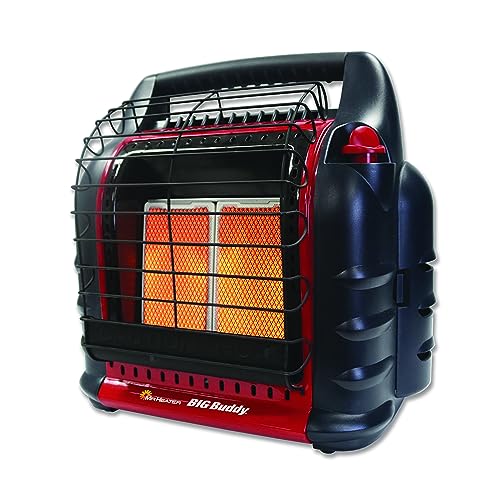
Features: Heats up to 450 square feet; adjustable heat settings including 4,000 / 9,000 / 18,000 BTU; can run up to 216 hours on two 20 lb propane tanks with optional hose.
Best for: Group camping or larger tents where higher BTU output is needed to maintain comfortable warmth across a bigger space.
Why selected: The expanded heat range supports seasonal camping and variable weather. The bigger footprint can cover larger shelters efficiently.
Limitations: Higher BTU output consumes more propane; ensure proper ventilation to avoid buildup of exhaust gases in enclosed areas.
Buying Guide: Tent Heater Essentials
What heat source fits your tent? Consider propane or dual-fuel options for portability and fuel availability. Electric heaters are less common for tents unless you have a reliable power source, but they’re safer indoors. For tents, choose models with tip-over safety, low-oxygen shutoff, and adequate ventilation planning.
How much heat do you need? Estimate by tent size and climate. A small tent often needs 4,000–9,000 BTU for milder nights, while larger tents or colder environments may require 12,000–18,000 BTU or a dual-fuel system with supplemental heat.
Safety matters: Look for shutoff sensors if oxygen levels drop, stable bases, and tilt-detection to prevent accidental tipping. Always operate heaters outdoors when possible and keep combustibles away from the heater.
Fuel and convenience: For frequent trips, dual-fuel designs offer flexibility. If you use propane, stock canisters with easy storage. For stoves and camp kitchens, a complete stove kit with proper ventilation improves safety and usability.
Portability and setup: Select compact units with straightforward ignition, stable stands, and clear assembly. Heaters with remote options can help control temperature without entering close proximity to heat sources in windy conditions.
FAQ
- Q: Can I use a tent heater inside the tent? A: Use only approved models and ensure proper ventilation. Many tent heaters are designed for enclosed spaces but require strict safety measures and sufficient fresh air.
- Q: How many BTUs do I need for a tent? A: It depends on tent size, climate, and insulation. Smaller tents may be comfortable with 4,000–9,000 BTU, larger spaces may require 12,000 BTU or more.
- Q: Are dual-fuel heaters safer for camping? A: Dual-fuel options provide fuel flexibility, which is advantageous when fuel availability varies. Prioritize models with shutoffs and stable bases.
- Q: Do tent heaters require special maintenance? A: Regularly inspect fuel connections, vents, and safety features. Follow manufacturer instructions for cleaning and storage to prevent leaks or malfunctions.
- Q: What safety practices reduce risk with tent heaters? A: Use outdoors when possible, keep fuels away from flames, vent properly, and never cover heaters or obstruct exhaust paths.
- Q: Can I cook with a tent heater? A: Some stove-style heaters support cooking, but use caution and follow product instructions to avoid smoke and carbon monoxide hazards.