When selecting gaming in-ear monitors (IEMs), look for clear highs, tight bass, low latency, and a comfortable fit. This guide highlights five well-rounded options suited for competitive gaming, casual play, and stage-ready monitoring. Each pick targets a different gamer profile—from entry-level FPS players to audio enthusiasts seeking detailed, stage-like sound. Below is a quick comparison of the chosen products to help you decide quickly.
| Product | Best For | Notes |
|---|---|---|
| Linsoul KZ ZS10 Pro (Without Mic) | Bright, detailed gaming audio | Strong highs, layered mids |
| Linsoul KZ ZS10 Pro (With Mic) | Competitive play with mic | Same driver layout, added mic support |
| TRUTHEAR x Crinacle Zero | High-resolution listening | Dual dynamic drivers, premium build |
| YINYOO CCZ Melody | Budget-friendly, comfortable fit | 1DD/1BA design with durable cable |
| 2026 KZ ZST PRO X | FPS precision and imaging | High imaging, suitable for gaming |
Linsoul KZ ZS10 Pro – 4BA+1DD (Without Mic)

The Linsoul KZ ZS10 Pro combines four balanced armatures with one dynamic driver to deliver bright, fast highs and clear mids. The stainless steel faceplate adds a premium touch, while the resin cavity keeps the overall weight comfortable for longer gaming sessions. This model emphasizes detailed imaging, helping players pinpoint on-screen sounds. Best for players who want energetic highs and precise sound cues without a built-in mic.
Who it’s best for: Gamers who prioritize detail and separation over mic capability. Why chosen: The Pro’s driver mix and PCB division aim to deliver tight, responsive sound suitable for FPS and strategy titles. Caution: No microphone means you’ll need an external mic for voice chat.
Linsoul KZ ZS10 Pro – With Mic
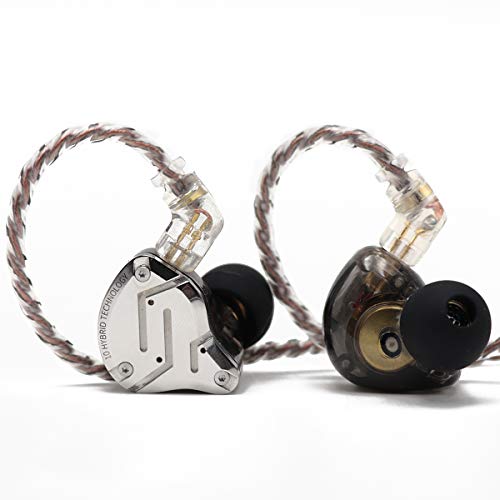
This variant adds a detachable, gold-plated ODC cable and retains the same four-BA plus one-DD configuration. The mic enables voice chat without relying on a separate headset. The build uses a premium stainless steel faceplate for durability, and the PCB dividing board helps route signals for a more cohesive sound. Best for gamers who need a wired IEM with a reliable mic for teammates and streaming.
Who it’s best for: Players who require in-ear monitoring plus a built-in mic for comms. Why chosen: Keeps the same sonic strengths as the mic-less model with the added benefit of in-game chat. Caution: Some users may prefer a dedicated gaming headset for directional mic positioning.
TRUTHEAR x Crinacle Zero

The Zero uses a dual dynamic driver approach with a refined magnetic circuit and a copper-plated silver cable for clarity. A hand-crafted cavity and DLP-3D printed design contribute to strong soundstage and imaging with neutral tonal balance. Best for audiophile-minded gamers who want lifelike instrument textures and precise environment cues.
Who it’s best for: Hardcore players and listeners who value accuracy over bass emphasis. Why chosen: It emphasizes accurate mids and highs, aiding positional cues in games. Caution: Higher technical focus may not deliver the same bass slam as bass-forward models.
YINYOO CCZ Melody

The CCZ Melody emphasizes comfort with a lightweight shell and wrap-around ear design. It features a 1DD + 1BA driver configuration and a sturdy 4N OFC cable. The ergonomic fit suits gamers who wear earbuds for extended sessions and want a balanced sound with clear dialogue and instrument detail. Best for budget-conscious gamers who still want reliable separation and build quality.
Who it’s best for: Entry-level to mid-range gamers seeking comfort and value. Why chosen: Demonstrates strong fit and adequate detail at a friendly price. Caution: The single BA may not deliver the same high-frequency airiness as multi-BA sets.
2026 KZ ZST PRO X
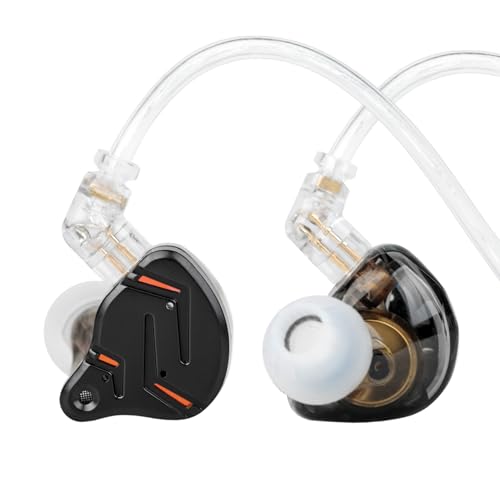
The KZ ZST PRO X targets FPS precision with strong transient response and a dual-driver arrangement designed to improve vocal detail and instrument mids. Its 3.5 mm plug ensures broad compatibility with gaming consoles and PCs, while the robust driver setup helps with imaging and on-screen cue localization. Best for players who want reliable, game-ready imaging with solid vocal presence.
Who it’s best for: Gamers who need accurate sound targeting and broad device compatibility. Why chosen: Combines solid imaging with ease of use in a compact IEM form. Caution: The mic is not included in this variant, so external capture may be needed for chat on some devices.
Buying Guide: Key Purchase Considerations
- Sound signature and imaging: If you rely on locating footsteps or gunfire, choose models with clear mids and precise highs. IEMs with PCB division or multiple drivers tend to offer better detail and separation.
- Microphone needs: If in-game chat is essential, select a variant with an integrated mic or plan for an external mic setup.
- Comfort and fit: Look for lightweight shells and ergonomic shapes. A wrap-around or low-profile design helps during long sessions.
- Durability and cables: Detachable, gold-plated cables with sturdy connectors reduce wear. Stainless steel faceplates add durability and aesthetics.
- Compatibility and latency: Ensure 3.5 mm compatibility with your devices. Wired connections generally provide lower latency than wireless options, which is crucial for competitive gaming.
- Value and future-proofing: Consider upgrade paths such as detachable cables or modular driver configurations for future improvements.
FAQ
- What is the difference between 4BA+1DD and 1DD in IEMs?
- Why choose a wired IEM for gaming over a wireless option?
- Is a mic essential for competitive gaming on IEMs?
- What should I consider about driver count and sound stages?
- How important is build material for durability in gaming IEMs?
- Can I use these IEMs with a gaming console?