Finding a dependable, compact sleeping pad is essential for comfortable outdoor nights without adding bulk. This guide highlights five lightweight camping mats that balance weight, cushioning, and portability. Each product is suited for different campers—from minimalist hikers to those who need extra padding on rough terrain. Use the quick reference below to compare what matters most: thickness, inflation method, and pack size.
| Product | Best For | Key Benefit | Approx. Pack Size |
|---|---|---|---|
| FUN PAC Camping Sleeping Pad | Backpackers seeking extra width and built-in pillow | 3″ thick with built-in pillow; 30–60s inflation | Compact and portable |
| OGERY Sleeping Pad | Rough terrain travelers who value thickness | 6″ thick for elevated comfort; dual-layer valves | Lightweight for size |
| Oramoose 4in Ultralight Pad | Side sleepers needing contour support | 4″ thick with V-Shape support; 30s inflate | Sturdy, high weight capacity |
| Pretyw Ultralight Pad | Minimalists who want ultra-light carry | 4″ thick; 30–60s inflate; 1s deflate | Very compact |
| Therm-a-Rest Z Lite Original | Cold-weather ground sleeping on a budget | Closed-cell foam; accordion fold; easy to store | Incredibly light and durable |
FUN PAC Camping Sleeping Pad

The FUN PAC mat provides extra width (up to 78 by 27 inches) and 8 inches of thickness when inflated, offering substantial cushion and a built-in pillow for neck support. The egg-shaped air cells help align the spine and reduce pressure on shoulders and hips. It inflates in about 30 to 60 seconds using a built-in pump and deflates in a second, minimizing setup time. This pad is best for hikers who want comfort without carrying a separate pillow or pump. A potential limitation is the heavier weight compared to ultra-minimalist pads, which could impact long treks with strict weight budgets.
Why choose this for you
- Best for: hikers who value generous surface area and integrated comfort features.
- Why selected: built-in pillow reduces gear count; fast, reliable inflation and deflation.
OGERY Sleeping Pad

The OGERY pad offers a 6″ thickness, giving elevated comfort on uneven ground. Its built-in pillow supports the head and neck for a restful outdoor sleep. Dual-layer air valves enable rapid inflation while helping prevent leaks, and the pad folds down compactly for backpacking. It weighs around 2.4 lbs, providing a strong balance of cushion and portability. A caveat: bulkier weight compared to lighter ultralight options may matter on long multi-day treks.
Who should consider this
- Best for: campers who encounter rough terrain or cold ground and need extra insulation.
- Why selected: thickness and supportive design address pressure points for side sleepers.
Oramoose 4in Ultralight Camping Sleeping Pad

This pad focuses on side sleepers with a 4″ thick air layer and a V-Shape support system, ensuring hips and shoulders stay suspended. It features a built-in pillow contoured to the neck, minimizing gaps. Inflation is quick (about 30 seconds with a foot pump), and the valve design minimizes air leaks, keeping the pad inflated for safer, uninterrupted sleep. It supports up to 400 lbs. The main limitation is that higher thickness often corresponds to larger packed size, which may be less ideal for ultra-light backpackers.
Best for this scenario
- Best for: campers who sleep on their side and need stable shoulder/hip support.
- Why selected: strong contouring and weight capacity with a no-leak valve design.
Pretyw Ultralight Camping Sleeping Pad

The Pretyw pad weighs about 1.8 pounds and packs into a compact 10×4 inch carry bag, making it highly portable for backpackers. It inflates in 30–60 seconds via built-in pump and deflates in one second. The 4″ thickness and built-in pillow deliver comfortable support for back and side sleepers alike. Limitations include potential trade-offs in durability compared with heavier foam or higher-end inflatable models, especially in harsh environments where punctures are a concern.
Why pick this
- Best for: travelers prioritizing ultra-light carry and quick setup.
- Why selected: notable weight savings without sacrificing notable thickness.
Gear Doctors Oxylus 4.3 R-Value Pad
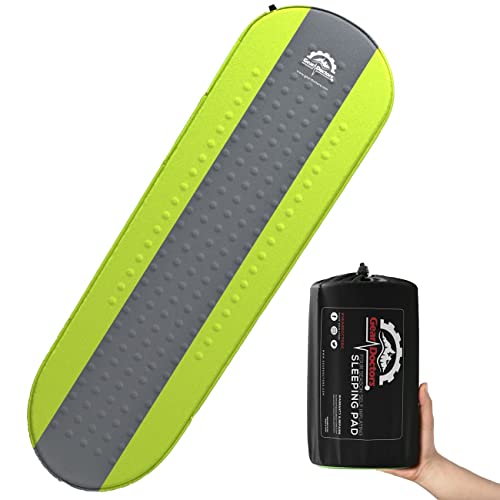
The Oxylus pad blends foam support with inflatable comfort and includes a detachable foot pump and anti-leak valve system. It uses a 4.3 R-value core and a 75D outer shell, designed to resist UV and moisture while staying lightweight. The pad compresses to a travel-friendly size and aims to deliver warmth and cushioning for four-season use. A consideration is that it may be bulkier than some ultralight options, which could affect carry-on or tight pack space for alpine trips.
Who benefits from this
- Best for: hikers and campers who want reliable warmth and a robust, durable build.
- Why selected: lifetime replacement guarantee paired with a sturdy shell for longevity.
Therm-a-Rest Z Lite Original
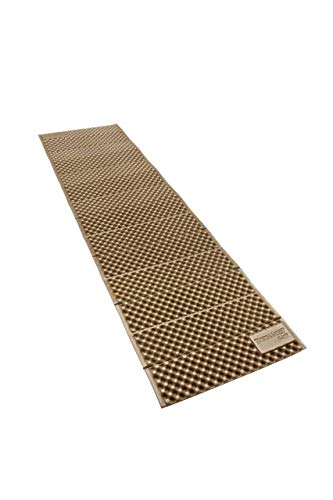
The Z Lite Original is a lightweight, durable closed-cell foam pad with accordion-style folding for compact storage. It traps heat effectively with dimples in the padding, making it a solid budget option for cold conditions. It is extremely light and rugged, but the lack of air or soft cushioning means it doesn’t provide the plush comfort of inflatable pads. This is a pragmatic pick for minimalist travelers and first-time campers concerned about reliability and weight.
Best use here
- Best for: budget-conscious campers who still want warmth and portability.
- Why selected: rugged, simple design with dependable insulation, no pumping required.
Buying Guide: How To Choose A Lightweight Camping Mat
Key questions to help decide which pad fits your trips best:
- How thick should my pad be? Thicker pads offer more comfort and insulation but add weight and bulk. For side sleepers, 3–4 inches is a practical minimum; for rough terrain or cold nights, 4–6 inches adds comfort and warmth.
- Inflation method matters. Built-in pumps speed setup but can be less durable. External pump or mouth inflation saves weight but requires more effort. Closed-cell foam requires no inflation and is ultra-light, but lacks the plush feel of air pads.
- Weight vs. durability. Ultralight options excel on long treks but can be less durable. Foam pads are hardy but less compact. Consider your terrain and climate when prioritizing durability.
- Pack size and compatibility. If you carry a lightweight backpack, choose a pad that folds or compresses small enough to fit in or on your pack. For base campers, larger pads might be acceptable for more comfort.
- Seasonal use. For three-season use, a pad with moderate R-value (insulation) is sufficient. For winter camping, higher insulation helps reduce heat loss from cold ground.
FAQ
- Are inflatable camping pads worth it compared to foam? Yes, inflatable pads typically offer better cushioning and comfort at a cost of potential leaks; foam pads are durable and always ready but less plush.
- What thickness is best for side sleepers? About 4 inches or more can help hips and shoulders avoid ground contact and reduce pressure points.
- Can built-in pumps fail? They can leak or lose air if the valve isn’t sealed properly. Always check seals before packing and use the deflate function carefully to avoid air loss.
- How small should a pad compress when packed? Ultralight options may pack to the size of a water bottle, while foam pads can be bulkier but extremely durable.
- Is a warmer pad always better? Warmer pads reduce heat loss to the ground, improving comfort in cold weather. Choose higher insulation for chilly nights.
- What should I consider for durability? Pay attention to material quality (outer shell, fabric, and seams) and whether the pad has a lifetime or limited warranty against punctures or defects.