The best Micro Four Thirds (MFT) cameras deliver compact bodies with strong image quality, solid stabilization, and versatile lenses for a wide range of creators. This guide highlights five top options, explaining who each one suits best, how they compare, and what to watch for before you buy. Ideal buyers include new photographers seeking reliable color and autofocus, vloggers needing compact rigs, and travel shooters who value portability without sacrificing image quality.
Buying quick reference: the table below lists the five selected models, their key strengths, and the type of user each is best for. Use this as a starting point to compare form factor, stabilization, and video capabilities at a glance.
- OM SYSTEM Olympus E-M10 Mark IV Silver
- Panasonic Lumix DMC-GF3 (Renewed)
- OM SYSTEM Olympus E-M10 Mark IV Black
- Panasonic LUMIX G9II
- Panasonic LUMIX G97
OM SYSTEM Olympus E-M10 Mark IV Silver: Balanced All‑rounder

Best for shooters who want a compact, easy-to-use camera with solid stabilization. The 20 MP Live MOS sensor delivers reliable detail, while 5-axis image stabilization helps people and scenes stay sharp in low light or handheld video. Built-in Bluetooth keeps a steady link to a phone for quick sharing and remote control. The flip-down screen with a dedicated selfie mode is especially convenient for social media content creators and vloggers who often shoot in tight spaces.
Who it’s best for: beginners learning photography or travelers who prioritize portability and straightforward operation with reliable stabilization. Why selected: a well-balanced package that emphasizes practicality and connectivity without adding complexity.
Caution: the kit lens is compact but modest in reach; upgrade to a faster or longer zoom if you frequently shoot in challenging light or need more reach.
Panasonic Lumix GF3 (Renewed): Ultra-Compact Starter

Better for budget-minded beginners who want an ultra-compact Micro Four Thirds package. This 12 MP camera is simple to handle with a 3-inch touchscreen and the included 14-42mm zoom lens. Its small footprint makes it easy to carry on day trips or casual events while still offering interchangeable lens flexibility.
Who it’s best for: first-time buyers or casual shooters who value portability and a low entry cost. Why selected: affordable entry into the MFT system with sufficient core features for learning composition and basics of exposure.
Caution: as a renewed model, ensure you review the seller’s return policy and battery life expectations; newer bodies may outperform in autofocus speed and video features.
OM SYSTEM Olympus E-M10 Mark IV Black: Practical Vlogging Companion

Best for creators who want a ready-to-go travel vlogging setup with strong in-camera tools. Like its silver sibling, this model features a 20 MP sensor, Bluetooth connectivity, and a flip-down screen with selfie-friendly modes. The black finish offers a sleek, discreet look for on-the-go shooting.
Who it’s best for: social media creators who need reliable autofocus, a compact build, and simple wireless sharing. Why selected: combines ease of use with solid stabilization and video features suitable for everyday recording.
Caution: the bundled kit lens remains standard; consider a brighter lens or faster zoom if you shoot in dim environments often.
Panasonic LUMIX G9II: Pro-Grade Still and Video Power

Best for enthusiasts and semi-professionals who demand fast performance and high image quality. The 25.2 MP sensor and advanced Phase Detection AF offer precise tracking for sports, wildlife, and action. It includes powerful image stabilization and high-speed performance, making it a flexible choice for both photography and video projects. The camera is designed to push the envelope in challenging lighting and fast action scenarios.
Who it’s best for: experienced shooters who require robust autofocus, high frame rates, and strong stabilization for handheld shooting. Why selected: the G9II maximizes the potential of Micro Four Thirds with advanced AF and stabilization features.
Caution: its feature set targets serious users; beginners may find the controls more complex and may benefit from simpler models first.
Panasonic LUMIX G97: Creator-Focused Micro Four Thirds
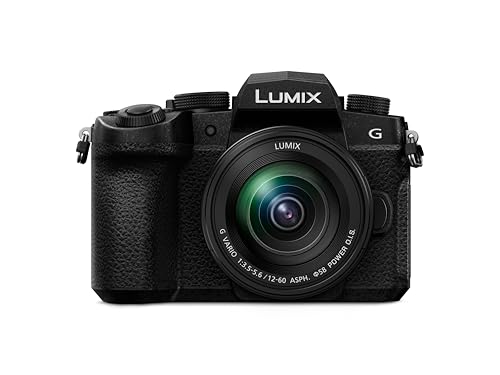
Best for creators who want a flexible system for both photos and videos with strong in-camera features. The G97 offers creative tools like LUMIX Photo Styles for color control and Live View Composite to build long-exposure-like results in-camera. The 5-stop Dual I.S. 2 provides stable framing for handheld use, while the included 12-60mm lens offers range for landscapes and everyday shooting.
Who it’s best for: content creators who value built-in creative features and a versatile zoom kit for travel and social media. Why selected: strong hybrid performance with practical in-camera options that reduce post-processing needs.
Caution: for pure high-speed sports, consider models designed for faster AF and higher frame rates, as this unit focuses on versatility and reliability for general use.
Buying Guide: Micro Four Thirds Camera Essentials
- Sensor and image stabilization: Look for at least a 16-20 MP sensor and 5-axis stabilization to minimize shake in handheld shots and video. This is especially helpful for travel and low-light photography.
- Autofocus and for what you shoot: If you shoot action or wildlife, prioritize quick AF with continuous tracking and higher frame rates. For portraits and landscapes, color accuracy and dynamic range may be more important.
- Video capabilities: Consider 4K support and any additional features like in-camera logs or advanced audio options if you plan to produce video content beyond stills.
- Portability vs. versatility: Micro Four Thirds systems excel in compact bodies with interchangeable lenses. Decide if you want a lightweight kit for travel or a more versatile setup with longer lenses.
- Lenses and future-proofing: Check the available native lenses and the cost of upgrading glass. A single quality zoom can significantly expand your shooting possibilities.
- Connectivity: Bluetooth or Wi-Fi for quick sharing and remote control helps with social media workflows and on-the-go shooting.
Frequently Asked Questions
- What is Micro Four Thirds?
It is a camera standard combining smaller sensors and compact lenses designed for portability and flexibility.
- Do Micro Four Thirds cameras have good image quality?
Yes, especially in good light, and with stabilization, MFT cameras can deliver sharp, detailed images comparable to larger systems for many everyday uses.
- Is in-body stabilization common in MFT cameras?
Many models include sensor-shift stabilization, often combined with lens stabilization for better performance.
- Are Micro Four Thirds cameras good for video?
Yes, several models offer 4K recording, high frame rates, and features tailored to creators and vloggers.
- Which Micro Four Thirds camera should I buy first?
Choose based on your skill level and goals: beginners benefit from simpler interfaces and reliable autofocus, while creators may prefer models with more advanced video tools and faster shooting.
- Do I need to buy new lenses when upgrading bodies?
Most Micro Four Thirds lenses are compatible across generations, so you can preserve your glass as you upgrade bodies.