Answering the core search intent, this guide highlights mirrorless camera gear that helps you capture wildlife clearly and from a distance. It covers versatile telephoto lenses, reliable trail cameras, and beginner-friendly kits. Suitable buyers include wildlife enthusiasts, nature photographers, and budding field shooters who want reliable reach, ease of use, and practical field setups.
| Product | Best For | Why It Stands Out |
|---|---|---|
| Canon RF100-400mm Lens | Wildlife enthusiasts needing reach | Lightweight tele-zoom with stabilization |
| CEYOMUR Trail Camera | Hands-off monitoring | Night vision and simple setup |
| Canon EOS R100 Kit | Beginner to intermediate | Two lenses for versatile shooting |
| Canon RF75-300mm Lens | Budget wildlife telephoto | Long reach at a low price |
| GardePro E5S Trail Camera | Rugged field monitoring | High megapixel and durable build |
Canon RF100-400mm F5.6-8 Is USM Telephoto Lens

The Canon RF100-400mm F5.6-8 is USM telephoto zoom designed for EOS R series mirrorless cameras. It offers a flexible 100-400mm zoom range, lightweight handling, and Image Stabilization with up to 5.5 stops of shake correction, improving handheld wildlife shots. If paired with EOS R cameras featuring IBIS, stabilization can reach up to about 6 stops, helping with distant subjects and low-light scenarios. Best for wildlife shooters who want long reach without adding heavy gear to their kit.
Who it’s best for: wildlife photographers who need portable reach and reliable stabilization for handheld shooting in forests, wetlands, or open plains. Why selected: the lens combines reach with a compact build and strong stabilization, supporting candid wildlife capture without a heavy pack.
Caution: The maximum aperture at long focal lengths is relatively narrow, so consider higher ISO in dim light or fast-moving subjects.
CEYOMUR Trail Camera, 36MP HD Trail Cam

The CEYOMUR Trail Camera targets simple, reliable wildlife monitoring. It emphasizes beginner-friendly operation with a rugged brown housing that blends into natural surroundings. It uses 850nm infrared LEDs for nighttime capture, delivering clearer black-and-white images in darkness. The model’s integrated design keeps setup quick, especially for fieldworkers who need to position and preview shots without a complex workflow.
Who it’s best for: beginners, landowners, or hobbyists who want an affordable, easy-to-use trail camera for backyard or forest monitoring. Why selected: reliable night vision and straightforward controls suit first-time wildlife monitoring.
Limitation: This model typically uses AA batteries and a microSD card (not included), so plan for supplies and storage in advance.
Canon EOS R100 Mirrorless Camera Kit
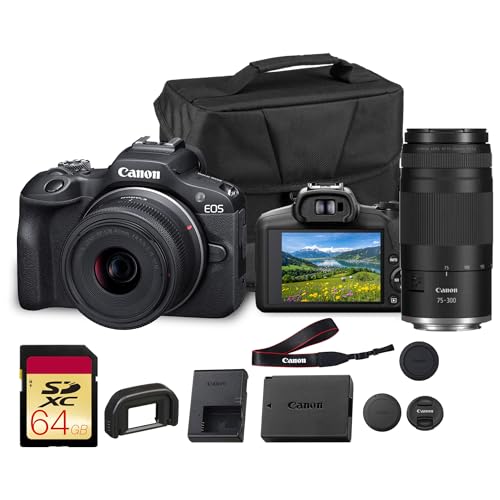
The Canon EOS R100 kit comes with RF-S 18-45mm and RF 75-300mm lenses, offering a complete entry-level setup for wildlife, landscapes, and travel. The camera features a 24.2MP APS-C sensor and DIGIC 8 processor, delivering crisp color and detail. This build supports beginners and enthusiasts who want a versatile two-lens system for close-range and distant wildlife subjects, with capable autofocus and image quality for social sharing and archival work.
Who it’s best for: new or intermediate photographers seeking a ready-to-shoot wildlife setup with two effective focal ranges. Why selected: the dual-lens bundle covers wide-to-telephoto needs without excessive gear investment.
Caution: The included telephoto lens is a slower f/5.6-6.3, which may require steadier technique in dim light or with fast action.
Canon RF75-300mm F4-5.6 Telephoto Zoom

The Canon RF75-300mm F4-5.6 lens offers extended reach at a budget-friendly price for Canon mirrorless cameras. Its focal range is well-suited for wildlife subjects at a distance, producing flattering compression and background separation. Best for photographers who want a practical telephoto option without a heavy or expensive glass lineup. This lens pairs well with crop-sensor bodies for extra reach.
Who it’s best for: budget-conscious wildlife shooters who still need meaningful focal length. Why selected: the long reach at an accessible price makes it a strong pairing with entry-level Canon bodies.
Caution: The variable aperture can limit performance in low light; complement with proper exposure settings or a higher ISO when needed.
GardePro E5S Trail Camera, 64MP Photo & 1296P HD Video
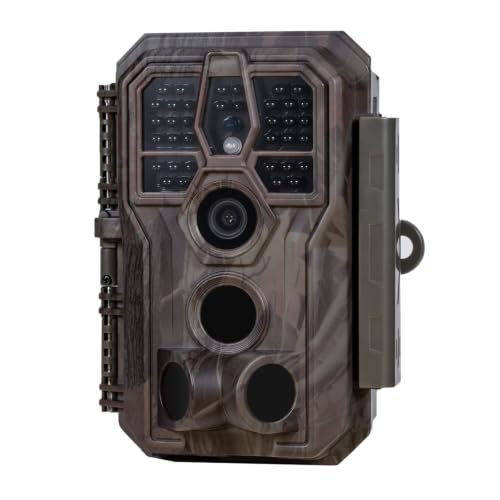
The GardePro E5S trail camera captures 64MP photos and 1296P HD videos, offering high-resolution field footage for wildlife monitoring. It emphasizes a rugged IP66-rated build and a non-cellular, non-WiFi design, which minimizes power consumption and reduces disturbances in wildlife habitats. A practical choice for stationary monitoring setups on trails, fences, or remote clearings.
Who it’s best for: field researchers, wildlife enthusiasts, and security-minded landowners who need durable, high-resolution footage without constant maintenance. Why selected: high megapixel capability paired with a weather-resistant chassis makes it a solid field option.
Caution: Non-cellular operation means you’ll need periodic SD card access to retrieve data; plan for periodic field visits to collect footage.
Buying Guide: Key Considerations For Wildlife-Focused Mirrorless Shooters
What kind of wildlife do you plan to shoot? Consider focal length needs. For distant animals, longer telephotos (like 400mm and above) reduce the need to approach. For closer wildlife or action, a flexible zoom and reliable autofocus matter more.
Is stabilization important? In handheld wildlife work, optical and in-body stabilization extend shutter options. If you plan to shoot from a vehicle or blind, prioritize stabilization features in the lens and body.
How important is kit versatility? A two-lens bundle can cover wide landscapes and distant subjects without changing optics in the field. This is ideal for beginners and travelers who want ready-to-shoot setups.
What about trail or wildlife monitoring? Trail cameras provide passive, prolonged monitoring. Look for night vision capability, weather resistance, and simple setup. For active wildlife photography, a mirrorless body with a long telephoto lens is often preferred.
Memory, power, and storage are practical factors. Ensure batteries, SD cards, and spare parts are sufficient for extended field sessions. Consider models that balance power efficiency with image quality.
FAQ
- What lens is best for distant wildlife on a budget?
The Canon RF75-300mm offers long reach at a lower price, making it a practical choice for budget-sensitive wildlife shooters. - Are trail cameras suitable for professional wildlife work?
Trail cameras excel at passive monitoring and long-term observation, but for active wildlife photography, a mirrorless body with a telephoto lens is usually preferred. - Do I need IBIS with wildlife lenses?
In-body image stabilization (IBIS) can enhance stabilization when paired with compatible bodies, especially in handheld scenarios. - Can I shoot wildlife with an entry-level Canon kit?
Yes, a two-lens kit with a versatile focal range can handle a variety of wildlife subjects, though advanced birds or distant mammals may benefit from longer telephoto glass. - What should I consider for night wildlife footage?
Look for cameras and lenses with good high-ISO performance and optics designed for low light; consider trail cameras for non-intrusive nighttime monitoring. - How important is weather resistance for wildlife gear?
Very important in outdoor environments; choose cameras and trail cameras with rugged housings and weather sealing to protect against rain, dust, and humidity.