When eyelids feel dry, irritated, or flaky, the top priority is a soothing, hypoallergenic moisturizer designed for the delicate eye area. The following selections are geared toward different needs—gentle, overnight relief; lanolin-free options; barrier-support formulas; and lightweight day creams. This guide helps you pick the right product based on your skin type and daily routine.
| Product | Best For | Key Benefit | Notes |
|---|---|---|---|
| BlinkBetter BetterLids Eyelid Ointment | Dry, sensitive eyelids | Deeply moisturizing with oat complex and caps | Ointment texture; suitable for nighttime use |
| NOVEHA NIGHTTIME Eyelid Ointment | Overnight relief | Preservative-free formula for delicate skin | Designed for external use on lids |
| BlinkBetter Lanolin Free Eyelid Ointment | Allergies to lanolin | Lanolin-free hydration with enduring moisture | Gentler option for sensitive users |
| BlinkBetter BetterLids Restore Eyelid Cream | Barrier support & daily use | Ceramides and oat complex for ongoing barrier fortification | Lightweight daily formula |
| NOVEHA Hydrating Eye Cream for Sensitive Skin | Moisturizing for eyelids and under-eye area | Ceramides + glycerin for long-lasting hydration | Fragrance-free option |
BlinkBetter BetterLids Eyelid Ointment

Best for: Individuals with dry, flaky external eyelids who need lasting moisture without stinging. This ointment uses oat complex, shea butter, panthenol, and allantoin to calm irritation while reinforcing the skin barrier.
Why selected: The formula targets dryness and flakiness specific to eyelid skin. It provides deep moisture and surface softness without burning, making it a dependable choice for daily comfort.
Caution: For external eyelid use as directed; avoid getting into the eyes. If irritation occurs, discontinue use and consult a clinician.
NOVEHA NIGHTTIME Eyelid Ointment Night Gel

Best for: Nighttime relief for dry eyelids. This preservative-free formula focuses on long-lasting hydration while you sleep, suitable for sensitive skin around the eyes.
Why selected: Minimal ingredient approach reduces risk of irritation, while petrolatum and lanolin help seal moisture. Dermatologist and ophthalmologist tested credentials support safe nightly use.
Caution: Designed for external eyelid use only; avoid contact with eyes. If sensitivity or redness occurs, stop use.
BlinkBetter Lanolin Free Eyelid Ointment

Best for: Those who prefer a lanolin-free option. It provides intense hydration while avoiding lanolin-related sensitivities.
Why selected: The lanolin-free formula supports deep hydration and barrier protection without the potential irritant of lanolin, making it suitable for sensitive eyelids.
Caution: May feel heavier initially; best for nighttime or targeted application rather than broad daytime use.
BlinkBetter BetterLids Restore Eyelid Cream
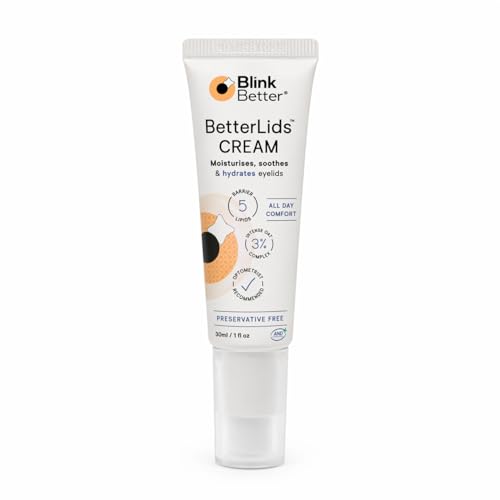
Best for: Daily use to build a resilient eyelid barrier. Combines ceramides with oat-based calming ingredients for ongoing relief from redness and dryness.
Why selected: The barrier-support system (ceramides with lipids) reduces moisture loss over time, making eyelids feel more balanced and less prone to dryness with repeated use.
Caution: Suitable for daily wear, but those with extremely sensitive eyes should patch-test first to gauge tolerance to active ingredients.
NOVEHA Hydrating Eye Cream for Sensitive Skin

Best for: Hydration around eyelids and under-eye area. This ceramide-rich formula focuses on lasting moisture without heavy residue.
Why selected: Glycerin and squalane deliver long-lasting moisture, while five ceramides help support the skin’s natural barrier. It’s a practical option for daily use and light anti-aging benefits.
Caution: May be slightly richer for very oily skin; consider applying a small amount if you have combination skin around the eyes.
Buying Guide: Key Considerations For Choosing An Eyelid Moisturizer
What should you look for when selecting an eyelid moisturizer? Prioritize formulas designed for the delicate eyelid skin, minimal irritants, and ingredients that support the skin barrier.
- Gentle ingredients: Look for fragrance-free or hypoallergenic options with soothing ingredients like oat, panthenol, ceramides, glycerin, and squalane.
- Texture preference: Ointments provide longer-lasting moisture, while lightweight creams are better for daily daytime use. Consider your routine and comfort level.
- Allergy considerations: If you have sensitivities (e.g., to lanolin), choose lanolin-free products to minimize reactions.
- External use only: Check labeling to ensure the product is intended for eyelid skin and avoid contact with the eyes.
- Barrier support: Ceramides and lipids help restore the skin barrier and reduce moisture loss over time.
Frequently Asked Questions
- Can I use regular facial moisturizers on my eyelids?
Answer: Facial formulas may be too rich or contain fragrances that irritate the delicate eyelid skin. Use products specifically designed for eyelids or sensitive eye-area creams. - Is it safe to use eyelid ointments during the day?
Answer: Some ointments are designed for night use due to their occlusive texture. If daytime use is necessary, choose a lighter, non-greasy option labeled for day use. - What ingredients help with eyelid dryness?
Answer: Ceramides, glycerin, squalane, panthenol, colloidal oatmeal, and oat extracts help hydrate and support the skin barrier. - How do I apply eyelid moisturizers correctly?
Answer: Use a small amount and apply gently along the lash line and eyelid skin. Avoid rubbing or pulling the delicate tissue. Allow time for absorption before applying makeup. - Should I consult a clinician for persistent eyelid dryness?
Answer: Yes. If dryness persists, worsens, or is accompanied by itching, redness, or vision changes, see a dermatologist or ophthalmologist.