Looking for a monocular that makes stargazing clearer and outdoor viewing more enjoyable? This guide highlights five top options, each selected for different user needs—from casual stargazers to serious hikers. Whether you want compact travel gear, smartphone compatibility, or rugged durability, these choices help you spot distant stars, wildlife, and landscapes with ease. The buyer profiles below describe who benefits most from each model and why they were chosen.
| Product | Magnification / Lens | Best For | Notable Note |
|---|---|---|---|
| PhysioPhyx 80×100 | 80x magnification, 100mm objective | Travelers and bird watchers needing strong reach | Smartphone adapter and tripod included |
| FEEMIC 8×42 | 8x magnification, 42mm | All-weather outdoor use, family | Waterproof, fogproof, lightweight |
| Pankoo 12×60 | 12x magnification, 60mm | Serious daytime viewing and wildlife | Large BAK-4 prism, ergonomic design |
| hd360pro 12×56 | 12x magnification, 56mm | Stargazing and hunting outdoors | Smartphone adapter and tripod included |
| Vortex Solo 10×25 | 10x magnification, 25mm | Compact carry, everyday carry | Lightweight, rugged, weather sealed |
PhysioPhyx Monocular: 80×100 High Powered with Smartphone Adapter
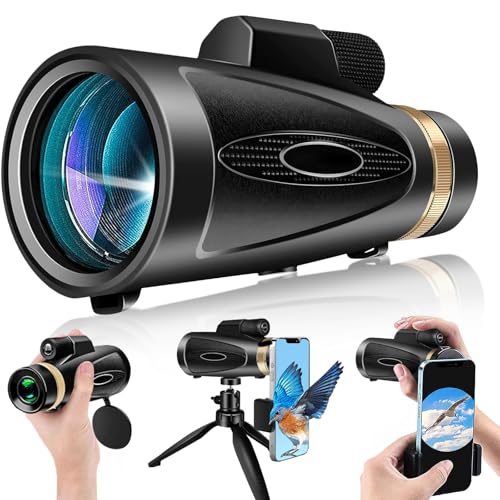
The PhysioPhyx 80×100 monocular combines extreme magnification with a large 100mm objective lens for bright, detailed views. It uses Fully Multi-coated Lenses and a BAK-4 prism to maximize light transmission, delivering clearer images with less refraction. This model is best for observers who want distant subjects—such as birds in remote habitats or wide landscape features—at high enlargement. It includes a quick-position smartphone adapter and a tripod for stable viewing and easy photo capture.
Best for: frequent travelers, wildlife watchers, and stargazers who want long-distance viewing with a stable phone connection. Use the smartphone adapter and tripod to minimize shake during long-distance observation. A potential limitation is that higher magnification narrows the field of view and requires steadier handling or a tripod for comfortable use.
FEEMIC 8×42 Monocular: Wide View For All-Weather Use

FEEMIC’s 8×42 monocular emphasizes a broad, HD field of view with a wide 360 feet per 1000 yards. It uses a large BAK-4 prism and FMC fully multi-coated optics to maximize light transmission, providing bright, sharp images. Its nitrogen-filled, waterproof, fogproof, and dustproof construction makes it well-suited for outdoor adventures in varied weather. A built-in rubber armor offers a comfortable, non-slip grip, making it a practical choice for adults and kids alike.
Best for: everyday outdoor use, family outings, and beginners who want a reliable, all-weather monocular with simple operation. Consider a model with a tripod or rest for use in low-light conditions or at higher magnifications to prevent hand shake.
Pankoo 12×60 Monocular: Strong Zoom And Clarity

Pankoo’s 12×60 monocular brings high-power performance with a broad field of view and a larger objective lens, designed to minimize light loss with a high-grade BAK-4 prism. The fully multi-coated lens system provides bright, high-contrast images with reduced color distortion. The device is built to be rugged and comfortable, with a rubber armoring for a secure grip and adjustable eyecups for use with or without glasses.
Best for: hikers, birdwatchers, and wildlife observers who want strong optical reach in daylight. Choose this if you need substantial magnification without sacrificing image brightness. A limitation to note: higher magnification can require steadier hands or a tripod for stable viewing in low-light or long-range scenarios.
hd360pro 12×56: Compact Power With A Smartphone Adapter

The hd360pro monocular pairs a capable 12×56 optical system with a compact form factor and a dedicated smartphone adapter plus a metal tripod. It is designed for stargazing, hunting, and wildlife viewing, delivering crisp daytime views and a solid night-sky capture potential when paired with a phone camera. The optics use BAK-4 glass and FMC coatings to optimize brightness and color fidelity. The kit’s tripod stability is a notable advantage for astrophotography or fixed-ground observations.
Best for: stargazers who want to document the night sky with a phone, travelers who need a ready-to-go kit, and outdoor enthusiasts who appreciate a steady image. Caution: higher magnification can magnify camera shake; use the tripod for best results in low light or long-range observations.
Vortex Solo Monocular 10×25: Lightweight And Durable
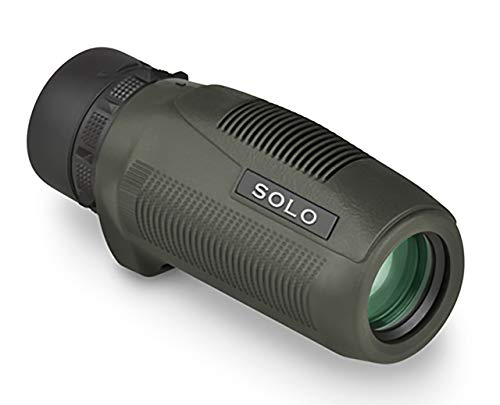
The Vortex Solo 10×25 is a compact, lightweight monocular designed for everyday carry. It features fully multi-coated lenses that boost light transmission and offer crisp, bright images. Nitrogen purging and O-ring sealing ensure waterproof and fogproof performance, making it a reliable option for outdoor activities in variable weather. Its rugged rubber armor provides a secure grip and durability for travel and field use.
Best for: travelers seeking a compact optic for quick-look viewing, hikers who value portability, and casual stargazers who want an always-ready monocular. Limitation: small objective lens means lower performance in very low-light conditions compared to larger optics.
Buying Guide: Key Purchase Considerations
What magnification do you really need? For stargazing, higher magnification (10x-12x) helps reveal more detail, but it can reduce brightness and field of view. For wildlife and travel, 8x-12x offers a balanced view with easier hand-holding.
How important is light transmission? Look for FMC (Fully Multi-Coated) optics and BAK-4 prisms to maximize brightness and minimize color distortion. This matters especially in dawn, dusk, and twilight viewing.
Is the device weatherproof essential? If you’ll use it outdoors, choose models with waterproof, fogproof, and dustproof designs for reliable performance in rain, humidity, and cold.
Do you need smartphone integration? If you want photos or videos, select monoculars with a dedicated smartphone adapter and tripod compatibility for stable capture.
How should you handle magnification versus stability? Higher magnification requires steadier hands or a tripod. A included tripod or adaptable tripod is a valuable feature to prevent blur in distant viewing.
Size and weight matter for travel. Compact, lightweight models are convenient for day trips, while larger units provide more light and longer reach at the expense of portability.
Frequently Asked Questions
- What is the best monocular for stargazing under a budget? Look for 10x or 12x models with FMC optics, a robust build, and compatibility with a smartphone adapter for occasional astrophotography.
- Do I need a tripod for stargazing? Yes, tripod use improves stability for long viewing sessions and higher magnifications, reducing handheld shake.
- Are waterproof monoculars better for travel? Waterproof, fogproof designs are more versatile in varied weather, ensuring consistent performance in rain or humidity.
- Can I use a monocular with glasses? Many monoculars offer adjustable eyecups suitable for eyeglasses; check the product’s eyepiece design to confirm.
- What should I consider when choosing magnification? For beginners, 8x-12x is a good balance between brightness and detail; higher magnification should be paired with a stable mount.
- Is smartphone compatibility important for stargazing? If you want to document the night sky or wildlife, a monocular with a smartphone adapter and tripod is advantageous.