Finding reliable internet while on the road can be challenging, but the right motorhome wifi router setup makes all the difference. This guide focuses on five solid options suited for motorhome adventures, camping trips, and remote work from the road. Portable hotspots excel for on-the-go connectivity, while robust Wi‑Fi 6/7 routers are ideal for larger RV spaces or multiple devices. Consider your travel style, data needs, and whether you prefer pay‑as‑you‑go plans or a fixed home‑like network.
| Product | ||
|---|---|---|
| Portable 4G/5G WiFi Hotspot (Generic) | Portable hotspot | Quick, flexible internet on road trips, camping, or remote work |
| GOWENIC Portable 4G/5G WiFi Hotspot | Portable hotspot | Simple setup with long battery life for travel and remote locations |
| TP-Link BE6500 Dual-Band WiFi 7 Router (BE400) | WiFi 7 router | Large RV spaces, many devices, high bandwidth tasks |
| TravlFi JourneyXTR LTE RV WiFi Router | RV internet router | Private network with multiple networks and flexible data plans |
| GL.iNet GL-SFT1200 Opal Travel Router | AC1200 travel router | Portable, compact solution for lighter travel needs |
Portable 4G/5G WiFi Hotspot by Generic
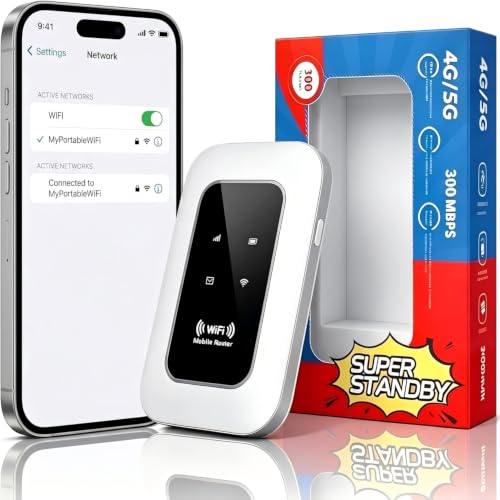
This unlocked hotspot is designed for mobility and road‑trips, with a rugged build that supports 4G/5G connectivity and up to 16 connected devices. It’s best for travelers who want plug‑and‑play simplicity and a long day of uptime without frequent recharging.
Best for: motorhome travelers who value portability and quick setup over expansive home‑like coverage. Cautions: battery life is substantial but not infinite; plan for charging on long drives or camping nights.
GOWENIC Portable 4G 5G WiFi Hotspot

Designed for travel, this hotspot mirrors the mobility ethos with a rugged build, easy Type-C setup, and long battery life. It’s suitable for road trippers who want reliable 4G/5G access on the move and a straightforward user experience for all skill levels.
Best for: travelers who prefer a simple, durable device with long uptime. Cautions: similar to other portable hotspots, extensive streaming may drain the battery faster than expected.
TP-Link BE6500 Dual-Band WiFi 7 Router (BE400)

Be400 is future‑ready WiFi 7 technology with Multi‑Link Operation, Multi‑RUs, and high bandwidth. It delivers up to 5–6 Gbps total bandwidth, with strong coverage for large RVs and many devices. It’s best for households or mobile setups needing reliable, fast multi‑device performance.
Best for: motorhomes that require high capacity and future‑proof Wi‑Fi with wide coverage. Cautions: WiFi 7 performance depends on compatible client devices and environment; real‑world gains vary with walls and interference.
TravlFi JourneyXTR LTE RV WiFi Router

This RV router emphasizes private network security and broad US coverage, with flexible data plans and no SIM required. It’s ideal for motorhome users who want a private, pay‑as‑you‑go approach and easy multi‑network access on the road.
Best for: RV travelers who want a flexible, contract‑free data solution. Cautions: data plan costs can accumulate; evaluate total monthly usage against the plan to avoid overages.
GL.iNet GL-SFT1200 Opal Travel Router
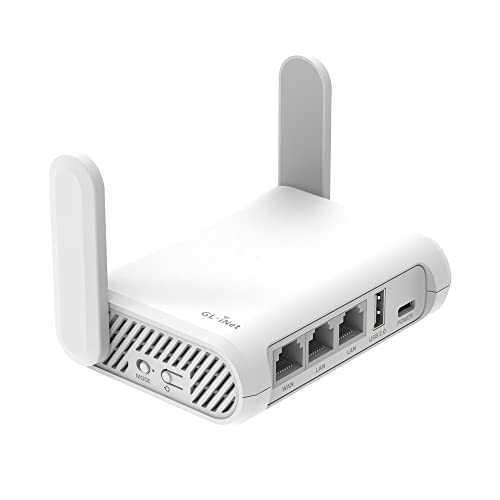
The GL-SFT1200 Opal Travel Router offers AC1200 dual‑band performance in a compact form, suitable for lightweight travel. It supports portable setups and is easy to configure, making it a practical choice for those who want a straightforward travel router without extra bulk.
Best for: solo travelers or couples who need a compact, reliable travel router. Cautions: not as feature‑dense as larger home routers; some advanced features require setup familiarity.
Buying Guide: Key Considerations for Motorhome WiFi
- Coverage area vs. portability: Portable hotspots excel for roaming around the campground, while larger routers are better for sizable RV spaces.
- Network type and future‑proofing: WiFi 6/7 routers offer higher capacity; ensure your devices can take advantage of the newer standards.
- Data plans and SIM requirements: Some options use SIM cards; others rely on eSIM or external data plans. Consider whether you prefer pay‑as‑you‑go or monthly plans.
- Number of devices: If you travel with family or work with multiple devices, prioritize higher device support and multi‑user performance.
- Power and portability: Battery life matters for portable hotspots; for stationary use, ensure power supply options (USB, car charger, or wall adapter) meet your needs.
- Security and privacy: Private networks reduce exposure to public Wi‑Fi risks; look for features like WPA3, VPN support, and guest networks if needed.
- Ease of setup and management: Some devices offer simple one‑tap setups; others provide advanced settings and parental controls for families.
Frequently Asked Questions
- What’s the best option for a motorhome with a large living area?
– A high‑capacity WiFi 7 router like the TP‑Link BE6500 BE400 can provide strong coverage and support many devices in a larger space. - Do I need a SIM card for these devices?
– Some portable hotspots use a SIM; others may use eSIM or require a separate data plan. Check the product details for SIM compatibility. - Is WiFi 7 worth it for RV use?
– WiFi 7 offers higher potential speeds and better multi‑device handling, but real gains depend on client devices and network conditions. - Can these routers work with existing campground Wi‑Fi?
– Yes, many can connect to a local public hotspot or be used to create a private network that overlays shared Wi‑Fi in campgrounds. - What should I consider for power on long trips?
– Portable hotspots with longer battery life plus USB or car charging options are ideal for extended road travel; consider having a power bank as a backup.