For shoppers planning multi-day trips, the right backpack blends capacity, comfort, and durability. This guide highlights five top options that balance load and fit, making them suitable for hikers, campers, and travelers who need reliable gear over several days. Each pick targets a different use case—steel-tram comfort for long days, versatile sizing for varying loads, and built-in rain protection for unpredictable weather. The buyer table below helps compare core specs at a glance.
| Product | Capacity | Best For | |
|---|---|---|---|
| Mardingtop 70L Military Internal Frame Backpack | 70 L | Heavy gear, longer excursions | MOLLE system and torso adjustment |
| Teton 65L Explorer Olive | 65 L | Balanced comfort for most sizes | Adjustable torso, durable build |
| Teton 65L Explorer Graphite | 65 L | Versatile, beginner-friendly | Custom comfort, airflow |
| Osprey Rook 50L | 50 L | Day-to-mid-length trips with light loads | AirSpeed suspension, integrated raincover |
| Kelty Coyote 60-105 L | 60-105 L | Longer trips with adjustable capacity | Fully adjustable frame, multiple pockets |
Mardingtop 70L Internal Frame Backpack

This 70-liter pack is built for high-capacity hauls and rugged use. It features a 600D polyester shell, YKK zippers, a rain cover, and a customizable torso fit with padded sternum strap and hip belt. The main compartment includes a grid zipper bag, a water bladder compartment, and multiple inner pockets, while the MOLLE system allows attaching additional gear. Best for hikers who carry bulky gear and want organized access on long trips. Vigilant users should note that heavier loads may feel top-heavy without a proper hip belt fit.
Teton 65L Explorer Olive

Designed for versatile adventures, this 65L Explorer pack emphasizes comfort and durability for men and women. It comes in multiple sizes and features multi-position torso adjustment, a durable open-cell foam lumbar pad, and molded channels for airflow. It suits both newcomers and seasoned backpackers who want a dependable, adjustable framework without substantial weight. A potential trade-off is that modular add-ons may increase overall weight when fully equipped.
Teton 65L Explorer Graphite
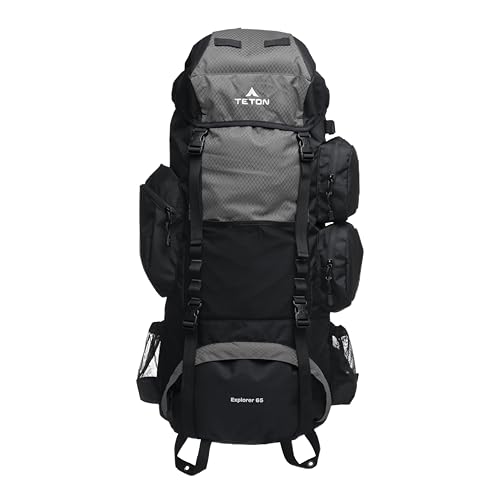
This graphite version mirrors the olive model with the same capacity and feature set, delivering a balanced and adjustable fit for a wide range of body types. Best for users who want consistent performance across color variants. Choose this if you prefer a slightly less tactical appearance while maintaining a high level of comfort and airflow. A limitation to consider is that the overall organization relies on internal pockets and may require planning for gear placement.
Teton 55L Scout Internal Frame

Note: While this section covers five top picks, the 55L Scout remains a learning-friendly option for lighter trips or shorter durations. It offers multi-position torso adjustment and good airflow for extended wear. Best for travelers who want a compact, easy-to-carry option without overpacking. Consider this as a backup if you anticipate frequent day-to-day travel rather than extended expeditions.
Kelty Coyote 60-105 L
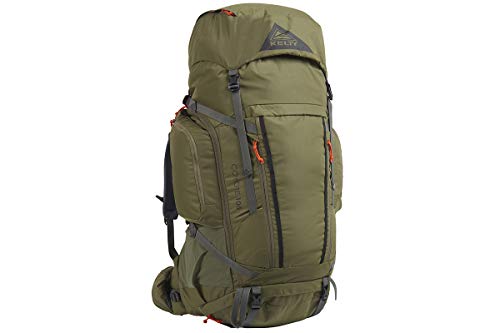
The Kelty Coyote offers a wide adjustment range from 60 to 105 liters, making it a flexible option for varying trip lengths. It uses an advanced perimeter frame for stability and features signature wing pockets, front pockets, and a top-loading main compartment. Best for users who want a highly organized pack with ample external attachment options. A potential drawback is the larger size that may feel bulky in tight spaces or crowded shelters.
Osprey Rook 50L

The Osprey Rook 50L emphasizes a balanced light-to-moderate load with an adjustable AirSpeed suspension and a tensioned backpanel for ventilation. The light weight and simple design suit hikers who want comfort without bulk. It includes an integrated raincover for wet conditions. Best for short to medium-duration trips or for travelers who prioritize ease of use over maximum capacity. Avoid this if you expect to carry a heavy load or need substantial gear protection from the elements beyond the built-in raincover.
Buying Guide: Key Considerations for a Multi-Day Backback
- Capacity: Choose based on trip length and gear. 50-70 L suits most 2-4 day trips; 70-105 L accommodates longer expeditions or extra gear.
- Fit and comfort: Look for torso length adjustability, hip belts, and breathable back panels. A properly fitted pack reduces fatigue on long days.
- Frame type: Internal frames provide stability and load transfer; external frames are less common today but can offer quick gear access.
- Ventilation: Backpanel design and open-cell foam aid airflow to reduce sweat and heat buildup.
- Organization: Pockets, compartments, and MOLLE or attachment systems help keep gear accessible and tidy.
- Weather protection: Rain covers and water-resistance determine performance in wet conditions; consider PFAS-free materials when available.
Frequently Asked Questions
- What size backpack is best for a 3-day hike? Answer: A 50-70 L capacity is typically suitable for 3 days with moderate gear.
- How important is torso length adjustment? Answer: Very important; it ensures proper load transfer and reduces shoulder strain.
- Should I choose a pack with a rain cover? Answer: Yes for unpredictable weather, but still pack a waterproof liner for extra protection.
- Is an internal frame better than external for long trips? Answer: Generally, internal frames offer stable load transfer and lighter weight, suitable for most users.
- What features improve comfort on long days? Answer: An adequate hip belt, lumbar padding, and a ventilated back panel significantly improve comfort.
- Are 65 L packs suitable for beginners? Answer: Yes, 65 L packs balance capacity and weight, making them friendly for newcomers with moderate gear.