The right multi‑zone smart thermostat keeps every room comfortable while trimming energy waste. This guide profiles five top choices, including energy‑saving models from ecobee, Sensi, Honeywell, and Amazon. It helps buyers choose based on compatibility, ease of installation, and smart features. Whether you want built‑in assistants, advanced occupancy sensing, or DIY simplicity, there’s a strong option for you. The table below compares core suitability at a glance.
| Product | Best For | Key Benefit |
|---|---|---|
| ecobee Smart Thermostat Essential | Budget‑minded homes with broad compatibility | Energy savings up to 23% annually |
| ecobee Smart Thermostat Enhanced | Tech‑savvy homes needing great automation | Up to 26% savings; PEK included |
| Honeywell Home RTH8800WF2022 | Geofencing and flexible scheduling | 7‑day scheduling with energy rebates |
| Sensi Smart Thermostat (ST55) | Privacy‑focused DIY installs | Energy star certified; simple setup |
| Amazon Smart Thermostat | Alexa‑centric households | Alexa features with easy temperature control |
ecobee Smart Thermostat Essential

Best for homeowners who want broad system compatibility at a reasonable price. This model supports up to 85% of HVAC systems and includes a color touchscreen for quick changes. It’s designed to learn your schedule and adjust energy use when you’re away, while optimizing comfort when you’re home. Free software updates promise long‑term value. A caution: verify compatibility with your specific HVAC setup using ecobee’s Compatibility Checker before purchase.
ecobee Smart Thermostat Enhanced
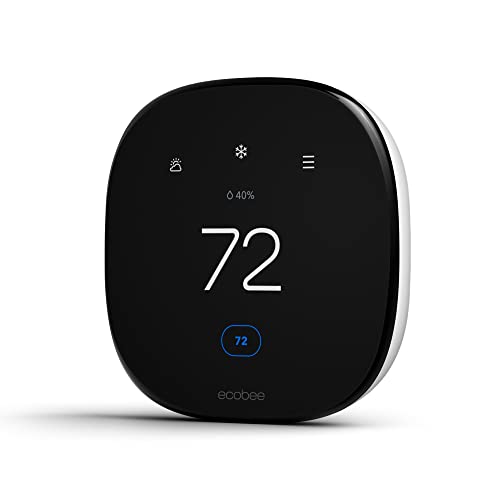
Best for users who want high automation with occupancy features and easy DIY setup. It automates temperatures when you’re away, reducing heating or cooling of an empty home. The included PEK and trim kit simplify installation, and built‑in radar occupancy helps preheat or precool before you arrive. It’s compatible with a large portion of systems, though checking compatibility remains essential. This model is a strong pick for tech‑forward households that value integrated installation gear.
Honeywell Home RTH8800WF2022

Best for families seeking strong scheduling with geofence options. This 7‑day programmable thermostat emphasizes flexible scheduling and location‑based temperature control. It is ENERGY STAR certified and can help you explore energy rebates through your provider. A key limitation: a C‑wire may be required for full functionality in some setups, so verify your wiring before purchasing. Overall, a reliable choice for homes prioritizing customizable timing and remote adjustments.
Sensi Smart Thermostat (ST55)

Best for privacy‑conscious, DIY installers who want a straightforward setup. Sensi emphasizes privacy protection and does not sell personal data. It’s compatible with many HVAC systems and generally does not require a common wire (c‑wire). The energy saving claim is supported by flexible scheduling and remote access. A potential limitation is that its feature set is simpler than premium ecobee or Honeywell models, which may matter for larger homes with advanced automation needs.
Amazon Smart Thermostat

Best for Alexa‑centric homes seeking easy voice control and simple setup. This model integrates with Alexa for automated adjustments and supports the creation of comfort zones through compatible devices. It often helps households access energy rebates via email after purchase. A caveat: it relies on Alexa ecosystem features, so users outside that ecosystem may find fewer native advantages. It remains an accessible entry point for smart home beginners seeking basic multi‑zone control.
Buying Guide
Key considerations for choosing a multi zone smart thermostat:
- Compatibility: Check HVAC type and wiring (C‑wire needs, PEK availability).
- Smart features: Occupancy sensing, geofencing, and remote control impact comfort and energy savings.
- Voice assistant support: Choose if you rely on Alexa, Google Assistant, or Siri (via ecobee built‑in or HomeKit compatibility).
- Installation: DIY ease vs professional installation; some models include extra hardware for simpler setup.
- Energy savings claims: Look for ENERGY STAR certification and independent compatibility data to confirm potential savings.
- Privacy considerations: Some brands emphasize data protections and limited data sharing.
How to choose by home size and usage
Smaller homes with straightforward zones benefit from simpler models like Sensi or Amazon’s entry thermostat. Larger homes with multiple zones and complex schedules may see greater value from ecobee Enhanced or Premium, which offer more sophisticated occupancy features and broader compatibility. If you use voice assistants heavily, prioritize devices with strong ecosystem integration, such as Amazon or ecobee with built‑in assistant options.
Installation and support tips
Run compatibility checks before buying. Prepare for DIY installation with included PEK or trim kits where offered. Use online setup guides and device apps to configure zones, schedules, and energy reports. Consider professional installation if you have uncertain wiring or a high‑end multi‑zone system.
FAQ
- Q: Do these thermostats work with all HVAC systems?
A: Most support common systems, but always verify compatibility with the manufacturer’s checker and your unit. - Q: Can these control multiple zones independently?
A: Yes, many offer per‑zone scheduling or can connect to compatible smart hubs for multi‑zone control. - Q: Do they require a C‑wire?
A: Some do; check your current wiring and consider the Power Extender Kit if needed. - Q: Will I save energy with a smart thermostat?
A: ENERGY STAR certified models and features like occupancy sensing typically improve savings, though results vary by home and usage. - Q: Are these compatible with voice assistants?
A: Many models support Alexa, Google Assistant, or Siri through ecosystem integrations. - Q: Is installation difficult for non‑professionals?
A: Most are designed for DIY, but complex multi‑zone setups may benefit from professional installation.