If you need non comedogenic SPF that won’t clog pores or trigger breakouts, these lightweight, oil-free sunscreens are designed for acne-prone and sensitive skin. They provide reliable UVA/UVB protection while minimizing shine and residue. This guide highlights five top products, who they’re best for, and why each was selected.
Summary table of selected products:
| Product | Best For | Why It Stands Out |
|---|---|---|
| Neutrogena Clear Face Sunscreen Lotion SPF 50 | Oily/acne-prone, daily wear | Oil-free texture; breathable; good for makeup layering |
| CeraVe AM Facial Moisturizing Lotion SPF 50 | Hydration with protection | Hyaluronic acid + niacinamide; non-greasy finish |
| The Ordinary UV Filters SPF 45 Serum Sunscreen | Minimalist routine, travel | Serum-like, no white cast; light |
| EltaMD UV Clear SPF 46 | Normal to acne-prone or sensitive skin | Zinc oxide; niacinamide; lightweight |
| La Roche-Posay Anthelios Clear Skin SPF 60 | Oily/acne-prone skin in heat/humidity | Absorbs oil; cell-Ox Shield antioxidants |
Neutrogena Clear Face Sunscreen Lotion SPF 50
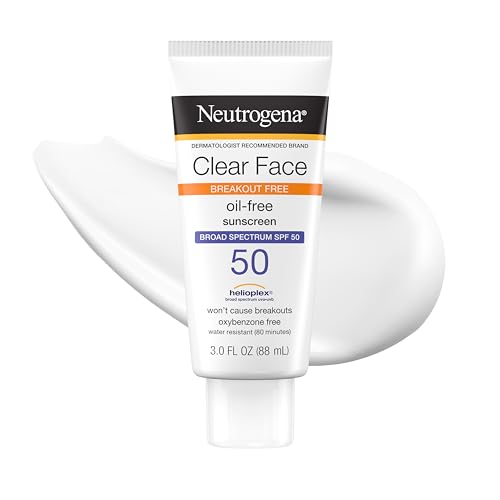
Best for oily, acne-prone skin seeking a breathable, oil-free daily sunscreen. The Clear Face formula is non-comedogenic and designed to minimize shine, helping pores stay clear while providing broad spectrum SPF 50 protection. This product is a good choice for daytime wear under makeup or on its own. Caution: may feel very light or water-like; reapplication is needed after water exposure or sweating.
CeraVe AM Facial Moisturizing Lotion SPF 50
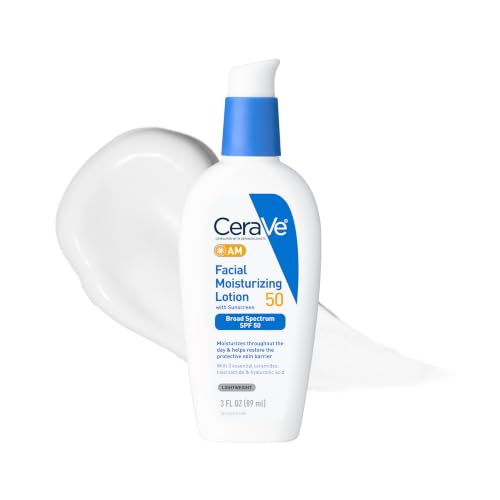
This product combines hydration with strong UVA/UVB protection and a non-greasy finish. The formula features hyaluronic acid and niacinamide, supporting skin barrier health while delivering hydration through MVE technology. It’s best for daily use when you want a moisturizer with built-in SPF and a lightweight feel. Caution: may be slightly difficult to blend for very dark skin tones without thorough massaging.
The Ordinary UV Filters SPF 45 Serum Sunscreen

Ideal for lightweight routines and travelers who want a serum-like sunscreen with no visible white cast. The SPF 45 protection helps guard against UVA/UVB rays while maintaining a non-greasy feel. It blends easily into all skin tones, making it a versatile pick for layered skincare. Caution: some users may prefer slightly higher protection in intense sun conditions.
EltaMD UV Clear Untinted SPF 46

The UV Clear formula is designed for normal, oily, rosacea-prone, and acne-prone skin. It uses a clear zinc oxide base and is oil-free with niacinamide to support skin tone. This makes it a strong choice for daily wear when you want protection without a heavy or shiny finish. Caution: untinted version may be too sheer for some skin tones in certain lighting.
La Roche-Posay Anthelios Clear Skin SPF 60
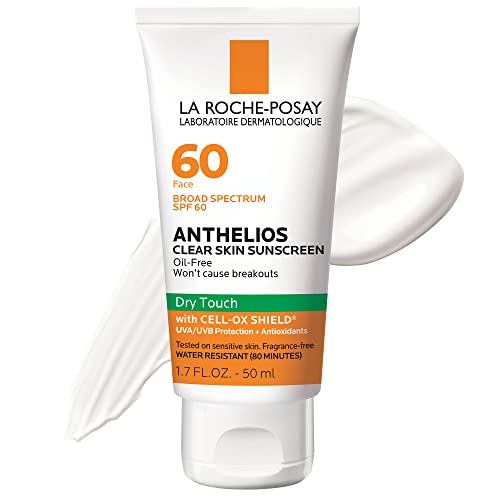
This sunscreen is formulated to absorb oil and minimize shine in heat and humidity. It uses Cell-Ox Shield technology for broad spectrum UVA/UVB protection and antioxidants. It’s best for acne-prone skin that experiences oiliness and sweat, but those with very dry skin may prefer a more emollient option. Caution: higher SPF may feel slightly thicker on very dry or very sensitive skin.
Buying Guide: Non Comedogenic SPF for Acne-Prone Skin
What to look for in non comedogenic SPF
Choose a product labeled non-comedogenic and oil-free if you have a tendency to break out. Look for lightweight textures that absorb quickly and leave a matte or satin finish. Fragrance-free formulas are preferable for sensitive or reactive skin.
How to choose by skin type
- Oily/acne-prone skin: aim for gel-cream or lotion textures with zinc oxide or chemical UV filters that control shine.
- Sensitive or rosacea-prone: consider products with niacinamide, ceramides, or soothing ingredients; avoid fragrance.
- Dry skin: prioritise hydrating formulas with hyaluronic acid or ceramides, possibly paired with a richer moisturizer.
Application and layering tips
- Apply as the last step of your morning routine, after moisturizer and serums.
- Use a dime-sized amount for the face; reapply every two hours during sun exposure or after sweating or swimming (unless the product is water-resistant, check label).
- For makeup wearers, wait a few minutes after applying sunscreen before applying foundation to reduce pilling.
Important caveats and limitations
- Non-comedogenic does not guarantee zero breakouts; individual skin responses vary.
- Mineral sunscreens may leave a temporary tint; some people perceive a white cast with certain formulas.
- Some products may be better suited for travel or daily wear, not for intense outdoor activities without reapplication.
FAQs
- What SPF is best for daily use if I have acne-prone skin?
SPF 30–50 with a non-greasy, oil-free texture is typically suitable for daily wear; higher SPF can be used for extended sun exposure. - Can non comedogenic SPF cause breakouts?
While designed to minimize breakouts, individual reactions vary; choose fragrance-free formulas and patch test new products. - Is mineral sunscreen better for acne-prone skin?
Mineral (zinc oxide) sunscreens can be less irritating for sensitive or reactive skin, though some may leave a tint. - Should I wear sunscreen every day?
Yes. Daily UV exposure contributes to aging and skin damage, even on cloudy days. - How do I choose between SPF 30 and SPF 50 for acne-prone skin?
SPF 30 provides strong protection; SPF 50 offers more protection for extended sun exposure. Choose based on activity and climate, ensuring consistent reapplication. - What about layering with moisturizer and makeup?
Let sunscreen absorb fully before applying makeup to avoid pilling and ensure even finish.