Looking for a reliable outdoor sleeping bag that fits your climate and packing needs? This guide highlights five top choices designed for adults and kids, focusing on warmth, weight, and portability. Each pick suits different types of buyers—backpackers, family campers, cold-weather hikers, and casual weekend outdoors lovers—so you can choose confidently based on where and how you sleep under the stars. Below, you’ll find quick product snapshots and a buying guide to help compare features and make an informed decision.
| Product | Best For | Key Feature |
|---|---|---|
| MalloMe Sleeping Bags (Adult & Kids) | All-season family camping | 50°F–77°F rating with ultralight design |
| Friendriver XL Sleeping Bag | Cold-weather backpacking | 0°F protection with lightweight build |
| FARLAND Sleeping Bags (Fleece-Lined) | Cold outings for teens and adults | Microplush fleece lining with windproof shell |
| Earth Guru Sleeping Bags | Ample space for kids and adults in moderate temps | 50°F–77°F with hex-tech waterproof shell |
MalloMe All-Season Sleeping Bag (Adults & Kids

The MalloMe all-season sleeping bag is designed for a broad temperature range, rated 50°F to 77°F. It accommodates a 6-foot adult and weighs around 3 pounds, making it suitable for spring, summer, fall, and cooler nights. The outer shell uses a hex-tech, waterproof design with S-shaped stitching and a 3D inner synthetic fill to improve warmth and insulation. This bag also targets families by offering vibrant colors appealing to both boys and girls.
Best for: Families and solo hikers who want a single bag that covers multiple seasons without added bulk. Choose this if you need a versatile, lightweight option that can be used by both adults and children.
Caution: While well-insulated for moderate cool temps, extreme cold requires a higher-rated bag for guaranteed warmth.
Friendriver XL Camping Sleeping Bag
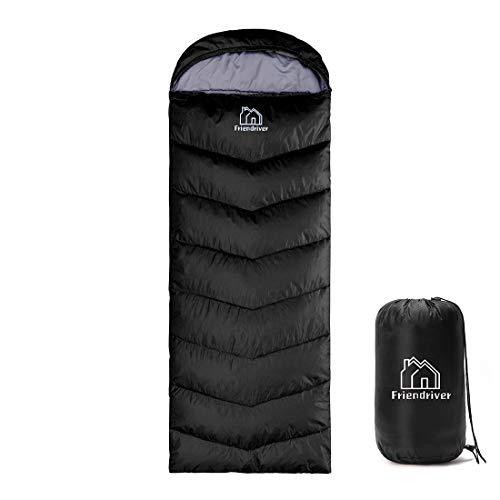
The Friendriver XL sleeping bag is engineered for serious campers with a 0°F all-season warmth profile. It combines advanced insulation with a weather-resistant shell and sealed seams to keep moisture out. Weighing about 3 pounds, it aims to balance warmth and packability for backpackers and hikers who prioritize low weight with reliable cold-weather performance.
Best for: Campers who venture into chilly nights and need dependable warmth without heavy gear. Choose this if you frequently sleep in unprotected campsites or low-temperature environments.
Caution: Designed for cold conditions, but airflow and venting features are not described; consider using with additional insulation in milder temps to prevent overheating.
FARLAND Fleece-Lined Sleeping Bag
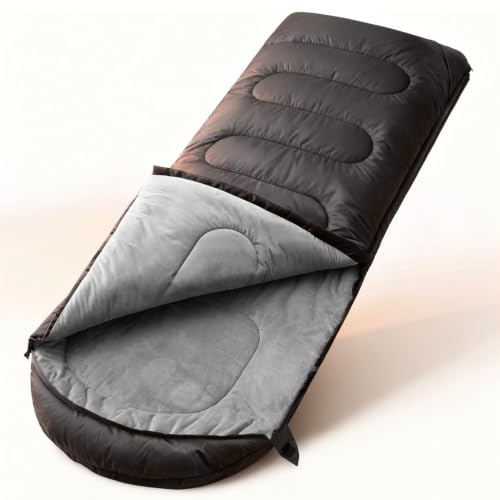
The FARLAND sleeping bag blends a waterproof windproof exterior with a cloud-soft microplush fleece lining. With a high fill density, it targets comfort in winter temperatures, offering warmth from 32°F to 50°F (0°C to 10°C) and potentially down to 14°F (-10°C) at its limit. The bag is sized to fit users up to about 6 feet tall, making it suitable for teens and adults seeking a toasty sleep in cold conditions.
Best for: Winter campers and travelers who want a snug, blanket-like feel with strong heat retention. Choose this if you value a plush interior and robust windproof protection.
Caution: The upper temperature range’s warmth is best realized with proper layering; ensure you don’t overheat in milder environments.
MalloMe Sleeping Bags (Another Variant)
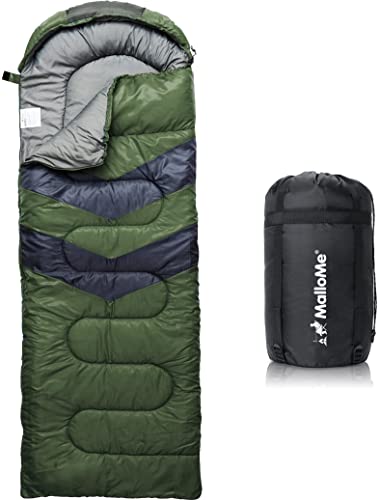
This second MalloMe listing mirrors the all-season design focusing on year-round usage with a similar weight and temperature range. It emphasizes portability via a compression sack with straps, aiding backpackers and hikers who want to reduce packing volume while retaining warmth. The color options appeal to kids and families alike, making it a practical all-ages option.
Best for: Budget-conscious campers who want a dependable all-season bag in a compact package. Choose this if you prioritize a lightweight, reversible design with easy storage.
Caution: Similar to the first MalloMe pick, avoid relying on this bag in extreme winter conditions without supplementary insulation.
Earth Guru Sleeping Bags for Adults and Kids

The Earth Guru bag mirrors the popular 50°F–77°F range and features a hex-tech waterproof shell with a comfortable, puffed interior and a compact carry solution. It is positioned as a versatile option for both kids and adults, with straightforward warmth and packability for family trips or solo excursions where space is at a premium.
Best for: Casual campers and families who want a reliable mid-range bag for mild to moderate temps. Choose this if you need a balanced option that works well for multiple ages in a shared outdoor space.
Caution: In frigid nights, this bag may not perform as robustly as dedicated cold-weather models; layering with blankets or a liner can improve warmth.
Buying Guide: Key Considerations for Outdoor Sleeping Bags
- Temperature ratings: Match the bag’s comfort and limit temps to your typical camping nights. If you often camp in cool temps, prefer bags with lower limit temperatures and extra insulation.
- Insulation type and weight: Synthetic fills are reliable when wet and easy to care for; down is lighter and warmer for its weight but less forgiving in moisture unless treated or stored properly.
- Shell material and waterproofing: A waterproof or water-resistant outer shell helps keep moisture out, especially in damp environments or morning dew.
- Size and fit: Ensure the bag accommodates your height comfortably. Long or extra-long versions are ideal for taller sleepers, while kids’ bags should fit smaller frames without excess space.
- Weight and packed size: Backpackers should prioritize lighter bags with compressible stuff sacks. Family campers may trade some weight for extra space and flexibility.
- Durability and construction: Look for reinforced seams, robust zippers, and thoughtful stitching patterns that resist wear during frequent use.
- Care and maintenance: Synthetic bags are easier to dry and wash; down bags require careful drying to avoid clumping and damage.
- Use-case alignment: Decide whether you need a single bag for all ages or specialized bags for different climate zones or sleeping arrangements.
Frequently Asked Questions
- What is the best sleeping bag for all-season use? A bag with a broad temperature range, good insulation, and a waterproof shell is typically best for varied outdoor conditions.
- Are synthetic sleeping bags better for wet conditions? Yes, synthetic fills retain warmth when damp and dry faster than down in wet environments.
- Should I choose a bag with a hood? Hoods help trap heat and are beneficial in colder conditions or when temperatures drop quickly.
- How important is bag weight for family camping? Lighter bags improve portability and comfort on long hikes or multi-day trips with kids, but consider space and warmth needs for the whole family.
- Can I use a sleeping bag in a tent without a sleeping pad? A sleeping pad is essential for insulation from the ground and added comfort, regardless of bag type.
- Do bags come in double versions? Yes, many brands offer double or family-size bags that accommodate two sleepers for shared warmth and convenience.