Looking for effective pitch shifting options for guitar, bass, or studio work? This guide highlights five practical products that help you create harmonies, detuned textures, and precise pitch control. The LEKATO Mini Pitch Shifter Pedal stands out for musicians seeking polyphonic harmony and studio-quality shifting. The other items provide essential power and upgrade components to support a reliable pedal setup and broader rig compatibility. This overview targets players seeking clear, actionable choices for live performances, home studios, and practice sessions.
| Product | Best For | Why It Matters |
|---|---|---|
| LEKATO Mini Pitch Shifter Pedal | Guitarists and bass players needing harmony and detune | Three modes, polyphonic pitch shifting, 16 customizable parameters |
| SHIFTIN Gear Shift Knob | Vehicle accessory shoppers, not directly a pedal | Quality upgrade for shifting feel; included here for complete rig awareness |
| PKPOWER 9.6V AC-DC Adapter | Pedal power supply users | Stable power for pedals like pitch shifters, reduces noise |
| Rsqqact AC Adapter Charger | Powering effects gear | Brand-new, stable output, 4ft cable |
| Morpheus Bomber Compatible Adapters | Overall pedal ecosystem | Power supply options for polyphonic pitch shifters |
LEKATO Mini Pitch Shifter Pedal Overview
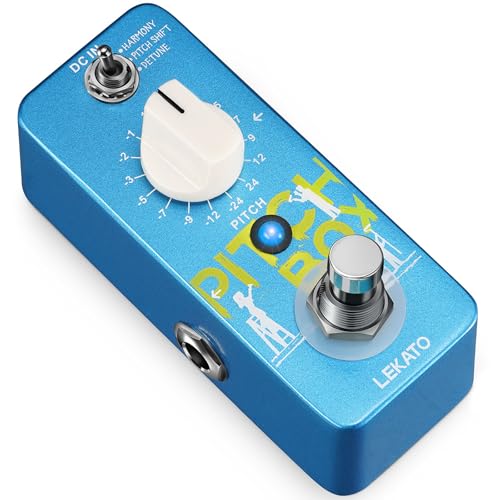
The LEKATO Mini Pitch Shifter Pedal presents three versatile effects in a compact format: Harmony, Pitch Shift, and Detune. Harmony shifts notes up or down by two octaves to create rich, layered textures; Pitch Shift provides a fully wet output for precise tuning adjustments; Detune adds subtle, textural variations to your tone. This pedal is designed for electric guitar and bass applications and aims to deliver studio-like polyphonic pitch control in a small footprint. It’s best for players seeking creative harmonies on stage or in the studio without compromising pedalboard space.
Key features include a ±2 octave pitch range and 16 customizable parameters. These options enable musicians to tailor the degree of shift, detune depth, and harmonic behavior to match their style. The pedal’s true bypass helps preserve your signal when disengaged, which is important for maintaining tone integrity during performances. Compared to large-format harmonizers, this mini unit focuses on portability and hands-on control, making it ideal for gigging players who travel light.
Who it’s best for: guitarists and bassists who want quick, reliable harmony and detune options without a complex rig. It’s a good fit for players exploring modern ambient textures or need a rideable reference tool in the studio. Caution: the control layout may require a short adjustment period for precise, studio-grade settings. If you need extended octave ranges beyond two octaves, consider other units or multi-effects processors with broader range capabilities.
SHIFTIN Gear Shift Knob Shifter For Toyota Prius

Note: This product is a vehicle gear shift knob and not a pedal or audio effect. It’s included here to illustrate a broader rig customization perspective. For a dedicated pitch shifting setup, this item would not alter audio signals or affect pedal operation. Buyers should avoid using it as part of a musical effects chain, and instead consider it if you’re building a complete car-and-studio gear upgrade. If your aim is an optimized pedal board, focus on power supplies and dedicated pedals for the best results.
Best for: buyers looking to upgrade vehicle interior controls rather than musical effects. Choose this item only if your purchase intent clearly includes automotive upgrades; otherwise, skip for audio rig purposes. Limitation: It does not influence audio signal routing or pitch-shifting performance.
PKPOWER 9.6V AC-DC Adapter

This AC-DC adapter is designed to provide a stable power supply for multiple devices, including effects pedals like pitch shifters. The unit features a 9.6V output and a 1.2-meter cable length, which offers flexibility for pedalboards and practice areas. A clean, consistent power source can reduce hiss or hum that sometimes accompanies compact pedals when powered by weak or inconsistent supplies. It’s a practical option for musicians who need dependable power for their shifting and harmonizing setups.
Best for: musicians building or expanding a pedal rig who require a reliable power supply. Better for: ensuring pedals receive steady current during live performances or long practice sessions. Caution: Verify compatibility with your specific pedal’s input requirements before use; mismatched voltage can affect performance or safety.
Rsqqact AC Adapter Charger For Morpheus Bomber

This AC adapter is described as a high-quality, non-OEM alternative intended for power supply needs of music gear. It emphasizes a low-noise output, stable performance, and a four-foot cable length, which can be convenient for pedalboards that require some extra reach to the power supply. While the product claims safety and reliability features, it’s important to verify compatibility with your effects chain and ensure it meets the voltage and current requirements of your shift and harmony pedals.
Best for: users who want a stable, dedicated power solution in a non-brand alternative. Choose this if you need more power options to support a growing pedal setup. Limitation: It may not be officially certified for every device; always confirm power specs with the manufacturer or manual of your pitch shifter pedals.
Buying Guide
What to look for in a pitch shifting setup
- Pitch range and polyphony: A wider range and true polyphonic shifting deliver more musical flexibility, especially for chords and complex riffs.
- Harmony modes and detuning: Multiple modes enable harmonized textures and subtle detuned atmospheres for ambient playing.
- Signal path and bypass quality: True bypass reduces signal loss when the pedal is off; consider how many pedals are in the chain.
- Control layout and usability: Intuitive knobs/parameters help you dial in sounds quickly during live performance.
- Power requirements: A stable power supply reduces noise and prevents unexpected dropouts; verify voltage, current, and connector type.
How to choose between a pedal and a plugin approach
- Pedal advantages: Portability, immediate tactile control, and reliable performance on stage or in a small studio.
- Plugin advantages: Deep editing, recallability, and easy integration with DAWs for studio production.
- Hybrid setups: Using a pedal for hands-on control in live settings while processing your recorded tracks with a plugin can offer the best of both worlds.
Power and compatibility considerations
- A dedicated power supply can reduce noise compared with generic adapters, especially for multi-pedal rigs.
- Check connector types, voltage (AC/DC), and current (mA) requirements against your pedal’s specs.
- Ensure that any non-OEM adapters are compatible with your gear’s warranty and safety guidelines.
FAQ
- What is a pitch shifter pedal best used for?
It’s best for adding harmonies, octave shifts, detuned textures, and live tonal experimentation on guitar or bass.
- Can a pedal reproduce studio-grade pitch shifting reliably on stage?
Yes, with a well-matched power supply, proper calibration, and a polyphonic-capable unit like the LEKATO, you can achieve dependable live performance results.
- Is it worth using a dedicated power adapter for a pitch shifter?
Yes, a stable power source reduces noise and avoids performance dropouts, especially in noisy environments or when using multiple pedals.
- Should I choose a pedal with many parameters or a simpler one?
Choose based on your workflow: beginners benefit from simpler controls for quick tones; advanced players may prefer more customization for precise sounds.
- Are polyphonic pitch shifters safer for performance than monophonic models?
Polyphonic units can handle chords and complex passages more naturally, reducing tracking issues that occur with some monophonic designs.