Find the right reverse osmosis (RO) filter system for your home with options that fit countertops, under-sink setups, or compact, portable needs. This guide highlights five well-suited RO filters and explains who they’re best for, why they were selected, and practical buying considerations. Ideal buyers include apartment dwellers seeking easy installation, households needing robust contaminant removal, and those wanting mineral-balanced or smart-filter features. A quick comparison table helps you assess capacity, installation style, and key perks at a glance.
| Product | Type | Best For | Key Benefit |
|---|---|---|---|
| DREO Countertop RO Filter | Countertop | Apartment renters; readers who want installation-free setup | Auto-cleaning and real-time TDS monitoring |
| iSpring RCC7AK-BN | Under-sink | Homeowners wanting alkaline remineralization | Mineral boost with pH balance |
| APEC ESSENCE ES50 Replacement | Replacement filters | Maintaining existing RO systems | Sediment and carbon protection |
| Waterdrop G3P600 | Tankless RO System | High-demand households; tankless design lovers | 6-stage filtration and smart features |
| iSpring RCC7AK-BLK | Under-sink | Design-conscious buyers wanting stylish faucet | Alkaline remineralization and clear inspection |
DREO Countertop RO Water Filter
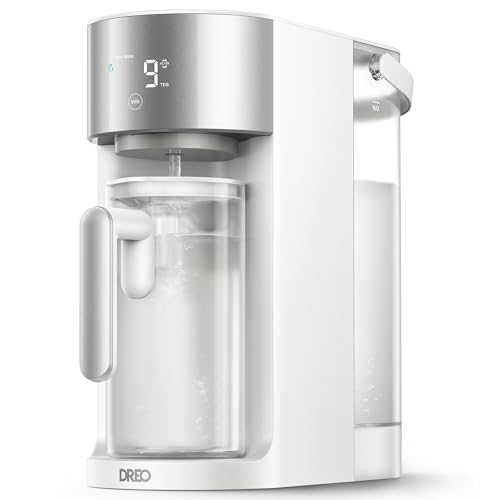
The DREO 7‑in‑1 RO system aims for efficient purification with a real-time TDS readout and self-cleaning features. It targets buyers who want a no-installation, plug-and-pour experience and a pitcher-enabled setup for hands-free refills. The system filters out common contaminants and fluoride, with SGS-tested performance to NSF/ANSI 58 standards. A potential limitation is that countertop units generally have a smaller output or水 storage than under-sink models, so plan for family usage accordingly.
iSpring RCC7AK-BN NSF Certified

This 75 GPD, six-stage RO system adds an AK mineral stage for alkalinity and minerals, delivering a balanced, more natural-tasting water profile. It features a top-mounted design for straightforward countertop installation, and a transparent first-stage housing for visualizing filter changes. Best for households seeking enhanced mineral content without complex under-sink plumbing. A consideration is that some users may prefer a purely under-sink setup for aesthetics and space optimization.
APEC ESSENCE ES50 Replacement Filter Set
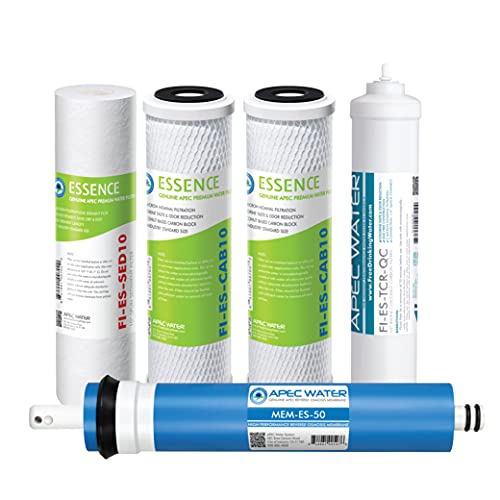
The ES50 replacement set is designed to protect and extend the life of select APEC RO systems by supplying a sediment filter and carbon blocks. It’s best for owners who want to maintain optimized taste and contaminant reduction without changing the RO membrane. A limitation is that these are replacements and do not perform filtration by themselves; installation compatibility should be verified with your existing RO model.
Waterdrop G3P600 Tankless RO System

The Waterdrop G3P600 is a tankless RO unit with six filtration stages and a smart display faucet. It emphasizes high output (600 GPD), real-time monitoring, and a life-tracking feature for filters. It’s well-suited for households needing robust purification and modern status indicators. A potential caveat is that tankless systems may require careful plumbing and space planning to optimize installation and maintenance.
iSpring RCC7AK-BLK Alkaline 6-Stage

This black-finished under-sink RO system combines strong impurity reduction with a stylish faucet. The AK remineralization stage restores minerals and alkalinity, offering water that’s not only clean but also more balanced in taste. It’s best for design-conscious buyers who want a compact, high-performance system without compromising aesthetics. A practical note: ensure your cabinet space accommodates the system and filter replacements.
Buying Guide: Key Considerations For Your RO System
- Installation style: Countertop units are portable and easy to deploy; under-sink systems save space and keep counters clear. Tankless designs reduce storage needs but may require precise plumbing.
- Filtration stages: More stages can improve taste and contaminant removal, especially with remineralization options. Consider your water quality and whether you want pH balancing.
- Output and water waste: Look for systems with efficient 2:1 or better clean-to-drain ratios and consider daily water needs, especially for families.
- Maintenance and monitoring: Real-time TDS readouts, filter life indicators, and visible housing help simplify maintenance. Factor in replacement costs and availability.
- Certification and safety: NSF/ANSI certifications indicate tested performance. For mineral-balanced water, AK or similar stages can be valuable.
- Aesthetics and compatibility: Choose a finish (e.g., black faucet) and ensure your faucet matches your sink area. Confirm space and plumbing compatibility for under-sink models.
Frequently Asked Questions
- What does RO filtration remove?
RO systems reduce a broad range of contaminants, including heavy metals, chlorine, fluoride, PFAS, and many dissolved solids, resulting in cleaner-tasting water.
- Do I need a remineralization stage?
Remineralization helps restore essential minerals and a balanced pH, which some users prefer for taste and health considerations.
- Is a tankless RO system better?
Tankless RO systems provide instant filtration without storing water in a tank, which can save space and reduce stagnation, but installation requires precise plumbing.
- How often should I replace filters?
Filter life depends on water quality and usage; monitor real-time indicators and follow manufacturer recommendations for timely changes.
- Can I install RO systems myself?
Many countertop units are install-free, while under-sink models typically require basic plumbing skills. Follow included instructions or hire a professional if unsure.
- Are these systems safe for well water?
RO systems generally handle a wide range of contaminants, but well water can vary. Check your water report to determine if additional pre-treatment is needed.