If you’re shopping for memory cards for cameras, you want something fast, reliable, and capable of handling your footage or burst shooting. This guide highlights five top options that balance speed, capacity, and compatibility for American photographers and videographers. The choices cover high‑speed Extreme Pro cards for 4K and high‑res stills, plus practical Ultra and value packs for everyday shooting. The buyers most likely to benefit are enthusiasts upgrading from basic cards, professionals shooting 4K or RAW, and hobbyists needing extra backup storage on location.
| Product | Capacity | Best For | Key Benefit |
|---|---|---|---|
| SanDisk 128GB Extreme PRO SD Memory Card | 128GB | 4K video and high‑res stills | Read speeds up to 250MB/s, write up to 170MB/s |
| SanDisk 64GB Extreme PRO SD Memory Card | 64GB | Fast offload and burst shooting | Read speeds up to 200MB/s, QF technology enabled |
| SanDisk 256GB Extreme PRO SD Memory Card | 256GB | Long sessions, high‑bitrate video | Read up to 200MB/s, write up to 140MB/s |
| Sandisk 128GB Ultra SD Memory Card | 128GB | Everyday photography and travel | Up to 140MB/s read speeds |
| Gigastone 32GB SD Card 5‑Pack | 32GB each (5 pack) | Budget backups and spares | Up to 80MB/s transfer speed, Class 10/U1 |
SanDisk 128GB Extreme PRO SD Memory Card
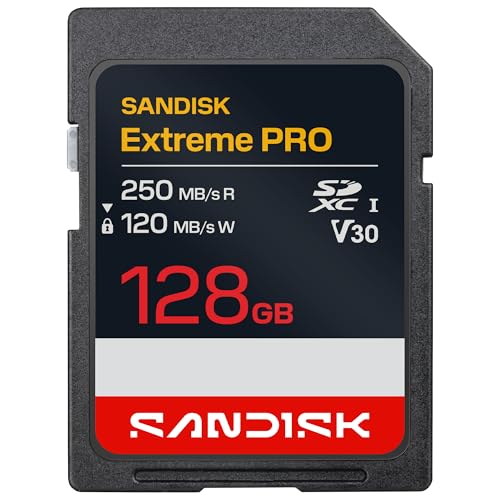
The 128GB Extreme PRO is designed for professional‑grade needs with read speeds up to 250MB/s and write speeds up to 170MB/s, making it ideal for 4K UHD capture and high‑res stills. Best for photographers and videographers who push continuous shooting or high‑bitrate video. It supports high performance with U3 and V30 ratings. A limitation is higher cost per gigabyte compared with mid‑tier cards, so consider capacity needs and budget when choosing this model.
SanDisk 64GB Extreme PRO SD Card

This 64GB Extreme PRO card prioritizes speed for offload and burst shooting with read speeds up to 200MB/s. It’s a strong choice for shooters who need quick transfers and reliable performance in fast‑moving environments. Use this when you want solid performance without committing to the largest capacity. Note that larger capacities can unlock higher sustained write speeds, but you may not need 256GB for every shoot.
SanDisk 256GB Extreme PRO SD Memory Card

The 256GB Extreme PRO card targets long sessions and high‑bitrate content with read speeds up to 200MB/s and write speeds up to 140MB/s. This capacity is ideal for extended 4K video or RAW still shooting when frequent card swapping is impractical. Best for professionals who need large storage without sacrificing speed. A potential limitation is the heavier reliance on compatible devices to reach peak speeds; ensure your camera supports these speeds to avoid bottlenecks.
SanDisk 128GB Ultra SD Memory Card

The 128GB Ultra card offers up to 140MB/s read speeds, making it a practical everyday option for compact to mid‑range point‑and‑shoot cameras. It’s well suited for travelers and hobbyists who value dependable performance at a reasonable price. Better if you’re not shooting 4K or rapid burst sequences; avoid this if you routinely record high‑frame‑rate video or capture extended RAW bursts that require faster sustained writes.
Gigastone 32GB SD Card 5‑Pack

This 5‑pack from Gigastone provides budget‑friendly backups or spares with up to 80MB/s transfer speed and Class 10/U1 performance. It’s best for casual photography, basic point‑and‑shoot use, or as a low‑cost buffer for on‑the‑go shoots. Choose this option if you need multiple cards at a low price, but avoid it for advanced videography or high‑speed action due to slower transfer and write speeds.
Buying Guide
What speeds matter for cameras?
For 4K video or high‑resolution RAW bursts, look for U3 and V30 ratings with high read/write speeds (ideally 200 MB/s or more). If you mainly shoot JPEGs or Full HD video, U1/Class 10 cards may suffice, with careful offload practices.
How much capacity do you need?
Higher capacities reduce frequent card changes during long shoots. For 4K at 30 fps, a 128GB or 256GB card can store hours of footage; 2TB options exist but require compatible devices to fully leverage the space in practical use.
Compatibility and device constraints
Always confirm that your camera supports the card’s speed class and capacity. Some older cameras may struggle to reach peak transfer speeds even if the card supports them. If you use a card reader, ensure it supports the card’s speed capabilities too.
Reliability and endurance
Professional cards emphasize endurance for frequent reads and writes. Sandisk Extreme PRO cards are popular for durability and consistent performance under demanding workflows, while Ultra cards suit casual use with solid baseline speeds.
Budget considerations
Higher capacity and faster speeds come at a premium. If you shoot less often or don’t record high‑bitrate video, choose mid‑tier or smaller capacity options to balance cost and needs. Bundles or multi‑packs can offer value for spare cards.
Practical usage scenarios
- 4K video and fast action: prioritize Extreme PRO with high read/write speeds.
- Travel and everyday photography: Ultra cards provide solid performance at a reasonable price.
- Spare cards for long trips: multi‑packs help ensure you don’t run out of memory mid‑shoot.
FAQs
- What is the difference between UHS‑I and UHS‑II?
– UHS‑I cards offer speeds suitable for many cameras; UHS‑II cards provide higher peak speeds but compatibility depends on the camera and reader. - Do faster cards guarantee better video quality?
– Faster cards reduce risk of buffering and dropped frames but do not improve the video quality itself. They enable reliable continuous recording. - How do I choose the right capacity for a wedding shoot?
– Consider expected shooting duration, file types (RAW vs JPEG), and whether you can offload during breaks. Higher capacity minimizes swaps. - Can I reuse a card after formatting?
– Yes, but format cards only in cameras that support the card to prevent file system issues. Regular backups are recommended. - Are budget cards reliable for professional use?
– Budget cards can be adequate for casual work, but for critical projects, choose cards with proven endurance and speed ratings from reputable brands.