If you’re shopping for a sewing machine to hem, alter, or create curtains, you need reliable stitch quality, easy threading, and versatile stitch options. This guide highlights five machines well-suited to curtain projects, from lightweight models for quick alterations to heavier-duty machines for durable drapery. Best for renters or hobbyists are compact machines with simple controls; better for home decorators tackling thicker fabrics are heavier-duty options with strong motors and wide stitch repertoires. The table below summarizes the five selected models and their key strengths.
| Product | Best For | Stitches | Notable Feature |
|---|---|---|---|
| Brother FB1757X Mechanical Sewing Machine | Beginner to intermediate curtain alterations | 17 stitches | 4-step buttonhole, reverse button |
| Brother XM2701 | Lightweight projects and beginners | 27 stitches | Automatic needle threader, drop-in bobbin |
| SINGER Heavy Duty 4411 Grey | Heavier fabrics and durable drapery | 11 stitches | Powerful motor, high-speed 1100 spm |
| Brother CS5055 Computerized | Decorative curtains and heirloom details | 60 stitches | LCD display, easy needle threader |
| Brother CS7000X Computerized Quilting | Quilting and large curtains with wide table | 70 stitches | Wide table, quilting guide |
Brother FB1757X Mechanical Sewing Machine

The FB1757X provides a reliable set of 17 built-in stitches plus a 4-step buttonhole and a reverse stitch option. This model is best for sewers focusing on curtain hems and simple alterations. The machine’s mechanical operation appeals to users who prefer straightforward controls and fewer electronic features. It is suitable for light to moderate curtain projects, including drapery hems and quick repairs. A potential limitation is fewer advanced stitches compared to computerized models, which may matter for decorative drapery details.
Brother XM2701: Lightweight With 27 Stitches

The XM2701 combines portability with a broad stitch selection, including decorative, blind hem, zigzag, and stretch stitches, plus an auto-size buttonhole. It’s a strong pick for curtains that require decorative hems or alterations on lighter fabrics. An automatic needle threader and drop-in top bobbin simplify setup, which is ideal for beginners implementing quick curtain projects. Longer-term limitations may include fewer metal components than heavier-duty machines, which can influence durability on frequent, thick fabric use.
SINGER Heavy Duty 4411 Grey: High Speed

The 4411 is built to handle heavy fabrics with a powerful motor and 1,100 stitches per minute. It supports a variety of projects, from rugged drapery panels to thick liners. Its 11 built-in stitches cover essential seams and some decorative options. The machine is best for frequent curtain projects that involve heavier fabrics like velvet or thick lining. The limit is a smaller stitch variety for decorative finishes compared to some computerized models.
Brother CS5055 Computerized: LCD Display

The CS5055 offers 60 built-in stitches and a user-friendly LCD display, making it easy to select stitch patterns for curtain hems, topstitching, and decorative accents. Its automatic needle threader and jam-resistant bobbin system help simplify setup, which is beneficial when completing multiple curtain panels. This model suits sewists who want more stitch variety without stepping into fully professional machinery. A potential shortcoming is the absence of a larger quilting table for expansive curtain projects.
Brother CS7000X: Computerized Quilting
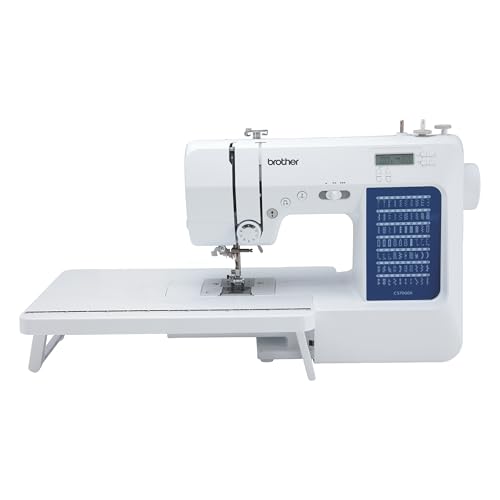
The CS7000X combines a broad stitch repertoire with a wide table, making it suitable for curtains that require longer hems or larger fabric panels. With 70 built-in stitches, including quilting options, and a 1-step auto-size buttonhole, this model supports both drapery function and decorative finishes. It’s ideal for hobbyists who work with larger curtain projects and want an extended workspace. A limitation is the higher price point compared with entry-level machines.
Buying Guide: Key Considerations For Curtain Projects
What stitch variety do you need for curtains? Choose a machine with at least basic utility and decorative stitches for hems, topstitching, and optional embellishments. For heavy drapery, prioritize models with stronger motors and metal frames to handle thick fabrics.
- Fabric compatibility: Heavier fabrics require stronger motors; lighter fabrics benefit from precise control and multiple stitch options.
- Ease of use: Look for automatic needle threaders, drop-in bobbins, and clear threading guides to speed up setup.
- Workspace: A wide table or extension table is helpful for large panels and even hems.
- Durability vs. portability: Weigh solid metal-frames against portability for frequent relocation or travel to sewing spaces.
- Threading and maintenance: Jam-resistant bobbins and easily accessible bobbin areas reduce hassle during long curtain sessions.
FAQ
- What features are most important for sewing curtains?
– A reliable motor, a variety of stitches for hems and topstitching, automatic needle threading, and a wide workspace are key for curtain projects. - Is a computerized machine necessary for curtains?
– Not strictly, but computerized machines offer more decorative options and easier setup, which can help with consistent hems and decorative details. - Can these machines handle heavy drapery fabrics?
– Some models, such as the SINGER Heavy Duty 4411, are designed for thicker fabrics due to stronger motors, while lighter machines are best for lighter materials. - Should I buy a machine with a lot of stitches if I only hem curtains?
– Yes, a versatile range (including straight, zigzag, blind hem, and decorative stitches) can improve finishing options for different curtain styles. - What table features matter for curtains?
– A wide extension table or an included wide table helps manage large curtain panels and ensures straight hems.) - Are there any non-price considerations to look for?
– Durability, ease of use, service availability, and the availability of compatible feet for hems and topstitching are important.