Answering the demand for reliable, low-noise power, this guide highlights diesel-powered and diesel-capable generators with quiet operation features. It’s ideal for homeowners, job sites, RV travelers, and backup power planners who need cleaner, steadier power with less noise. Below, you’ll find five carefully chosen models, each explained for who it’s best for and why it stands out. A quick buyer’s table follows the introduction, summarizing key points at a glance.
| Product | Fuel Type | Best For | Why It Stands Out |
|---|---|---|---|
| Generac 5,500 Starting Watt Diesel Powered Portable Generator | Diesel | Job sites and remote locations needing long runtimes | Sturdy frame, low harmonic distortion, long run time on 12-gallon tank |
| 6KW Diesel Generator by Energypac Systems | Diesel | Industrial backup and continuous duty | Heavy-duty build, AVR, comprehensive power options |
| GENMAX 6250w Tri-Fuel Silent Inverter Generator | Gas/Propane/Natural Gas | Home backup and camping with fuel flexibility | Tri-fuel, automatic start options, ECO mode for efficiency |
| Generac 12,500 Starting Watt Tri-Fuel Portable Generator | Gas/Propane/Natural Gas | Large homes and job sites | High surge capacity, AVR protection, multiple outlets |
| DuroStar DS13000MX 13,000-Watt Dual Fuel | Gas/Propane | Whole-home power and RV backup | Dual fuel, CO alert, transfer-ready design |
Generac 5,500 Starting Watt Diesel Powered Portable Generator

Best for heavy-duty job sites and remote locations, this Generac model runs on diesel for extended runtimes and robust power delivery. It includes a steel frame for transport and secure placement, plus a design with 6% total harmonic distortion to keep tools and electronics stable. The 12-gallon fuel tank supports longer operation between refuels, making it suitable for continuous use during outages or remote work.
Who it’s for: professionals needing durable, long-running diesel power and reliability in rugged environments. Why selected: diesel efficiency paired with a strong build and smoother operation supports sensitive equipment when paired with the right load management. Caution: diesel generators can be heavier and noisier than inverter options, so consider enclosure or location planning to manage sound and heat.
6KW Diesel Generator
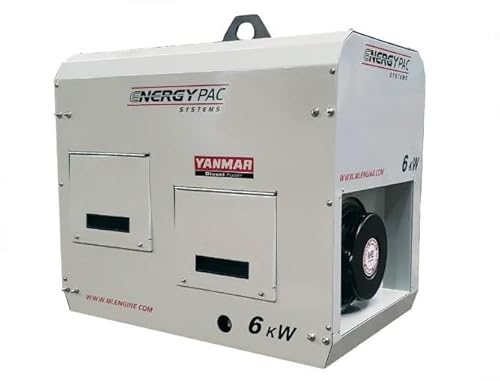
Best for industrial-grade backup and continuous use, this Energypac diesel generator emphasizes heavy-duty construction and automatic regulation. It includes a roll bar skid and a comprehensive set of receptacles for diverse loads, along with a 3.5-gallon fuel capacity for moderate runtimes. This model is well-suited for workshops, small facilities, and sites where steady, durable power is essential.
Who it’s for: industrial users and property owners who require a rugged diesel solution with dependable AVR and protection features. Why selected: the combination of a robust frame, full AVR, and multiple outlets makes it a strong all-around diesel backup. Caution: run-time may vary with load; ensure fuel planning aligns with expected usage and climate considerations.
GENMAX 6250w Tri-Fuel Silent Inverter Generator

Best for home backup and camping with fuel flexibility and quiet operation, this GENMAX model supports gasoline, propane, or natural gas. It delivers 5500 running watts and 6250 starting watts, with inverter technology and ECO idle mode to improve fuel efficiency and reduce noise. The smart digital control panel provides multiple starting methods and real-time operational data, making it user-friendly for everyday use and sensitive electronics.
Who it’s for: homeowners seeking a quiet, versatile generator that can switch fuels easily and run essential appliances. Why selected: tri-fuel capability reduces fuel risk in emergencies, while the digital panel and inverter design help protect electronics. Caution: performance and noise levels can vary depending on fuel choice and load; plan for appropriate fuel storage and ventilation.
Generac 12,500 Starting Watt Tri-Fuel Portable Generator

Best for whole-home backup and heavy-duty tasks, this Generac model offers tri-fuel flexibility with substantial starting watts. It includes automatic voltage regulation to stabilize output and protect connected devices, making it suitable for power-intensive loads like air conditioners and sump pumps. The Generac OHV engine provides reliable performance for larger systems and longer outages.
Who it’s for: homeowners or contractors needing a high-surge, multi-fuel power source with consistent voltage for demanding equipment. Why selected: higher starting watts allow simultaneous operation of multiple high-demand devices. Caution: higher power output often implies more substantial equipment size and fuel consumption; plan space and fueling needs accordingly.
DuroStar DS13000MX 13,000-Watt Dual Fuel

Best for comprehensive home backup and RV readiness, this model provides substantial dual-fuel power with an electric start and CO alert for safety. The option to run on gasoline or propane offers flexibility during outages or when fuel availability is varied. It’s designed to be transfer-switch ready for seamless home integration.
Who it’s for: households seeking a large, versatile generator with safety features and transfer readiness. Why selected: dual-fuel capability and CO alert support safe operation in homes and campsites. Caution: this is a high-capacity unit; ensure proper installation, ventilation, and space to accommodate it.
Buying Guide
What to consider when choosing a silent diesel generator
- Noise levels and enclosure options: If noise is a priority, look for units advertised with quiet operation, sound-dampening features, or inverter technology that reduces engine speed under light load.
- Fuel type and availability: Diesel tends to offer longer runtimes and better fuel efficiency, but availability and storage considerations matter. Tri-fuel and dual-fuel units add flexibility but may come with higher maintenance needs.
- Power needs and surge capacity: List essential appliances and tools, then select a generator with adequate running and starting watts plus a healthy surge margin for motors and compressors.
- Runtime and fuel capacity: A larger fuel tank extends runtime between refuels, which is crucial for outages. Compare run-time at different load levels to match usage scenarios.
- Portability vs. stationary use: Consider frame design, lifting points, wheels, and weight. Heavier diesel units may require a vehicle or generator dolly for transport.
- Safety features: Look for automatic voltage regulation, CO detectors, low-oil shutdown, and proper exhaust placement for safe operation in crowded spaces.
- Outlets and compatibility: Ensure the model offers the outlets you need (120V/240V, RV outlets, USB ports) and that the wiring aligns with planned transfer switches or connection methods.
- Maintenance and service access: Check oil filter, fuel filter, and oil-change intervals, along with the availability of parts and service centers in your area.
How to compare models quickly
- Diesel run time: Prioritize larger tanks and efficient diesel engines for longer operation without frequent refueling.
- Surge power: Choose models with higher starting watts if you have motor-heavy loads like ACs and pumps.
- Economy and load management: Inverter and ECO modes help reduce fuel burn and noise under light loads.
- Fuel strategy: If you may rely on propane or natural gas, tri-fuel and dual-fuel options offer flexibility but weigh the trade-offs in weight and cost.
Practical tips for use and safety
- Place generators in well-ventilated outdoor spaces to avoid carbon monoxide buildup indoors.
- Use grounded, outdoor-rated extension cords and avoid overloaded circuits by staggering loads.
- Perform regular maintenance: check oil levels, replace filters, and test automatic shutoffs to ensure reliability during outages.
Frequently asked questions
- Are diesel generators quieter than gas? Not always; modern diesel units can be quieter with sound-dampening features, but inverter-based designs often run more quietly at light loads.
- What size diesel generator do I need for a home backup? Start by listing critical loads (refrigerator, sump pump, lights) and choose a model with enough running watts plus surge for occasional startup spikes.
- Is tri-fuel better than diesel for backup? Tri-fuel offers fuel flexibility but may not deliver the pure diesel efficiency; for long-term diesel-only reliability, select a dedicated diesel model.
- Can I run a diesel generator indoors? No. Always operate diesel generators outdoors in a ventilated area to prevent CO buildup.
- How do I reduce noise from a diesel generator? Use a proper enclosure, install on a solid pad, and choose a model with inverter technology or idle management features.
- Do I need a transfer switch with a diesel generator? If you want seamless power to essential circuits, a transfer switch is recommended and may be required by local code.