If you have sensitive teeth, you need a whitening kit that protects enamel while delivering noticeable results. This guide highlights five top options designed for sensitivity, focusing on gentle formulations, enamel-safe ingredients, and built-in desensitizing features. The top picks are suitable for light to moderate staining from coffee, tea, wine, and smoking, and each product includes clear usage instructions for at-home comfort. Below is a quick comparison to help you choose the best fit for your needs.
| Product | Best For | Key Benefit |
|---|---|---|
| iSmile Teeth Whitening Kit | Users seeking an all-in-one kit with a desensitizing gel | Zero-sensitivity gel and universal tray |
| Whitebite Pro | Those wanting fast results with built-in remineralization | Remineralizing gel and LED acceleration |
| Crest 3D Whitestrips Sensitive | Gentle whitening for long-term sensitivity care | Sensitive formula with strong stain removal |
| Crest 3D Whitestrips Sensitive & Gentle + LED | Users who want LED-assisted whitening at home | Gentle, effective with LED help |
| AURAGLOW | Power users needing fast, professional-like results | LED-accelerated whitening with 35% gel |
iSmile Teeth Whitening Kit
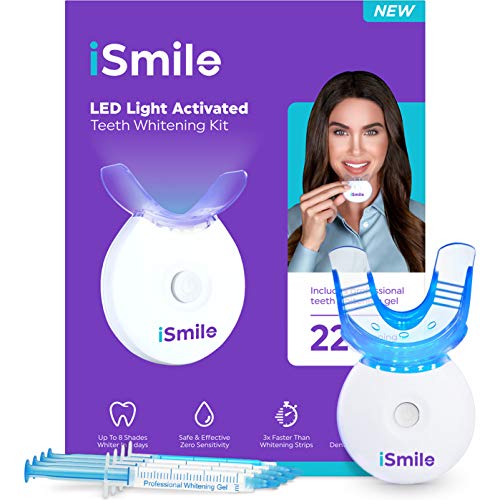
Features include 3x faster whitening versus strips, a zero-sensitivity gel, enamel-safe formula, and a universal mouth tray. The kit contains three 3 ml whitening gel syringes with 35% carbamide peroxide, a remineralization gel, and multiple whitening treatments. It also includes an LED activation light and a detailed manual. The desensitizing mineral gel helps reduce sensitivity between sessions.
Best for: Bidders who want an all-in-one kit with a built-in desensitizing step and a universal mouth tray for a simple, non-molded fit. This option is well-suited for first-time users seeking straightforward instructions. A caveat: results may vary with individual enamel thickness and lifestyle factors such as daily coffee or smoking.
Whitebite Pro Teeth Whitening Kit for Sensitive Teeth

Features include gentle whitening with 35% carbamide peroxide, a remineralizing gel to restore enamel, and blue LED accelerator technology to speed up results at home. The kit is designed to offer fast whitening over a short period, with visible improvements in as little as a week for many users. It emphasizes enamel protection and a safer experience for sensitive teeth.
Best for: People who want notable whitening in about a week while protecting enamel. This option is a strong pick for those who value an integrated remineralization step. Limitation: results can depend on adherence to the recommended treatment schedule and adherence to gel amounts.
Crest 3D Whitestrips Sensitive & Gentle + LED

This kit combines gentle whitening formulas with a blue LED accelerator light to hasten stain removal while staying gentle on sensitive teeth. It targets long-standing stain concerns and provides a balanced approach—effective whitening with practical care for sensitive enamel. It’s designed to deliver noticeable whitening with consistent use.
Best for: Shoppers who want a light-boost from LED while keeping sensitivity in check. Choose this if you prefer a bundled LED-enhanced routine. Caution: LED usage length and frequency should follow package directions to minimize any potential discomfort.
AURAGLOW Teeth Whitening Kit

Benefits include a powerful LED-accelerated whitening process using 35% carbamide peroxide gel, with a claim of whitening up to 10 shades in about a week. It markets a professional-level at-home whitening experience and emphasizes faster results through LED activation without expensive dental visits. The kit covers multiple treatments and is designed for rapid progress.
Best for: Users seeking strong whitening results quickly and who are comfortable with higher-strength gel. Avoid this if you have extreme tooth sensitivity or if you prefer a milder approach; consider starting with shorter sessions and monitoring sensitivity.
Buying Guide
What should I look for in a teeth whitening kit for sensitive teeth?
Key factors include enamel-safe formulas, presence of a desensitizing component, and gentle LED or light activation. A kit with a remineralizing gel can help restore minerals after whitening. Look for a universal tray or easy-fit design to reduce molding steps.
Is LED-powered whitening better for sensitivity?
LED light can accelerate whitening chemistry, potentially reducing treatment time. However, gentle formulations are essential for sensitive teeth, and LED should be used according to instructions to minimize irritation.
How long do results typically last?
Results vary by diet and habits. Many users see noticeable whitening after one to two weeks, with maintenance achieved through periodic use and good oral hygiene. Some products emphasize longer-term enamel protection with remineralization steps.
What if I have caps, veneers, or crowns?
Whitening gels may not affect crowns or veneers, which can lead to uneven color versus natural teeth. If you have restorations, choose a kit that targets natural teeth and consult your dentist for expectations.
How do I avoid sensitivity during whitening?
Choose a product labeled for sensitive teeth and follow the recommended gel amounts. Start with shorter sessions or a lower-strength formula, and ensure you do not overfill the tray to prevent gel from touching gums.
Which kit is best for a first-time buyer?
Consider iSmile or Whitebite Pro for their balanced approach, including desensitizing features and straightforward usage. They provide clear instructions and an enamel-friendly experience suitable for beginners.
FAQ
- Are whitening gels safe for enamel?
- Can whitening affect dental work like crowns?
- How quickly will I see results?
- What is the best option for severe sensitivity?
- Do I need to avoid foods during treatment?
Yes, if used as directed. Look for enamel-safe formulas and a desensitizing option to minimize irritation.
Whitening may not change the color of crowns or veneers; natural teeth will respond to whitening while restorations remain the same color.
Many users notice improvements within 1-2 weeks, depending on product strength, frequency of use, and lifestyle factors.
Opt for a milder formula with a desensitizing gel and minimal daily usage, gradually increasing if tolerated.
Some products advise avoiding staining foods directly after treatment; otherwise, follow the specific product directions for best results.