Finding the right tent for bikepacking means balancing weight, weather protection, and quick setup. This guide highlights top one- and small-family tents that excel on bikepacking trips and bike-packing routes. Each option is chosen for portability, durability, and ease of use. The buyers below are best for solo riders seeking ultralight shelter, or two riders who prioritize compact packs. A quick reference table follows to compare the featured tents at a glance.
| Product | Best For | Weight (Trail/Pack) | Seasons |
|---|---|---|---|
| Clostnature 1 Person Tent | Ultra-light solo riders | 2.97–4 lbs | All-season |
| Naturehike Bikepacking 1 Person Tent | Budget-oriented solo trips | Lightweight | 3 Seasons |
| Big Agnes Copper Spur HV UL3 | Two-bike setups or two riders | Ultralight | 3 Seasons |
| Big Agnes Copper Spur HV UL1 | Solo bikepacking | Ultralight | 3 Seasons |
| Montiro Wander Hawk 1-2 | Two-person versatility | Lightweight | 3 Seasons |
Clostnature 1 Person Tent for Backpacking

This sole‑occupant tent is pitched as an ultralight option for bikepacking and backcountry trekking. It weighs about 2.97–4 pounds depending on setup and includes a PU 5000 waterproof coating and factory sealed seams. The setup is described as quick and easy for a single person, using freestanding aluminum poles and a compact footprint. Ideal for solo riders who need reliable weather protection without extra bulk, especially on longer rides where weight savings matter.
Best for: solo riders who prioritize low weight and compact packing. Why selected: it combines a roomy interior with a light build and straightforward setup. Caution: as with many ultralight tents, wind stability depends on proper staking and guy lines in exposed conditions.
Naturehike Bikepacking 1 Person Tent

This single‑person tent emphasizes waterproofing and wind resistance with PU4000mm nylon and taped seams. It uses a freestanding two‑pole design and 7001 aluminum alloy components for durability while remaining light. The interior height and footprint are designed to maximize usable space for one occupant. It’s a practical pick for riders who encounter varied weather and want quick setup after a day on the trail.
Best for: riders who need solid weather protection on mixed‑season trips. Why selected: strong waterproofing and a stable freestanding design. Caution: foot‑path footprints are included, but extra ground protection may still be wise in rocky campsites.
Big Agnes Copper Spur HV UL3 Ultralight Bikepacking Tent

This two‑door, two‑vestibule bikepacking model prioritizes ease of use in rough conditions. It features a simplified setup with specialized tent corners and a multi‑function TipLok buckle. Strength and interior volume are enhanced through a high‑volume hub design and durable ultralight fabrics. It suits riders who expect variable terrain and want quick access to gear from either side of the tent.
Best for: riders who value bike‑friendly features and quick setup. Why selected: proven frame design that accommodates storage and gear access, with strong weatherproofing. Caution: heavier than single‑person options, though still optimized for bike travel and pack comfort.
Big Agnes Copper Spur HV UL1 Ultralight Bikepacking Tent
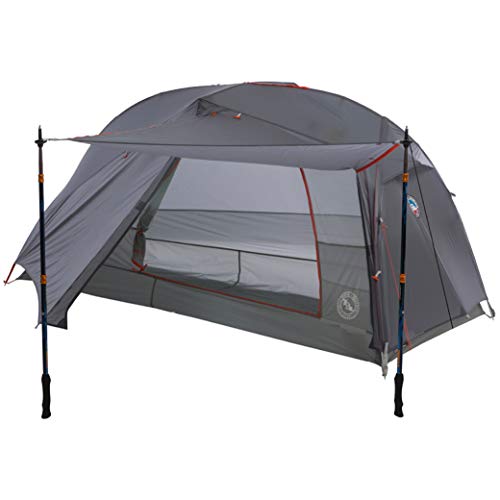
Designed for solo riders, this ultralight tent emphasizes compact packing and straightforward setup. Its bike‑friendly features include a small footprint and efficient pole system, offering reliable shelter for solo trips where weight and space are critical. The two‑door access remains a plus for easy entry and gear organization.
Best for: solo bikepackers who want an ultralight, compact shelter. Why selected: best balance of weight and interior usability for one rider. Caution: single occupant use means there is limited gear storage inside; plan to hang or store gear outside when possible.
Montiro Wander Hawk 1-2 Person Tent
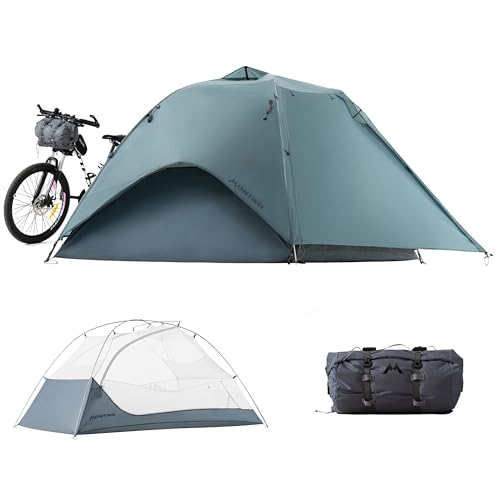
This upgraded two‑person tent offers a flexible approach for bikepacking and lightweight camping. The design emphasizes a balance between space and weight, providing a 90″ long interior and a 43″ ceiling height. It suits riders who occasionally ride with a partner or need extra room for gear and a pet. The materials include 20D nylon and silicone coating for durability in longer trips.
Best for: riders who may ride solo or with a light partner and require more interior space. Why selected: adaptable two‑person capability without a heavy increase in pack weight. Caution: setup may be less compact than strict ultralight solo tents; consider pack space accordingly.
Buying Guide: Key Considerations For Bikepacking Tents
What weight is practical for bikepacking?
Bikepacking tents should minimize weight while preserving weather protection. Target a total trail weight under 4 pounds for solo rides and under 6 pounds for two-person setups, depending on the terrain and expected conditions.
How important is footprint size?
A smaller footprint reduces what you carry and where you can set up. Look for tents with compact folded dimensions and efficient pole geometry for quick pitching in tight campsites.
What weather protections matter?
Weatherproofing comes from waterproof coatings, sealed seams, and robust rainflies. A PU coating around 4000–5000 mm and taped seams is a common baseline for frequent rain exposure.
Two‑door versus single‑door designs: which is better?
Two‑door tents improve access from either side and help with gear organization when you and a partner are sharing space. For solo trips, a single door can still offer ample space if the footprint is well designed.
Durability and setup: is freestanding essential?
Freestanding tents simplify setup on uneven ground and allow moving the shelter without stakes. Aluminum poles provide a good strength-to-weight ratio, which matters on long bikepacking trips.
Materials: what to expect?
Look for ripstop nylon, silicone coatings, and robust poles. More durable materials can add weight, so seek a balance between resilience and packability that fits your route profile.
FAQ
- Are ultralight tents suitable for bikepacking in all weathers? Ultralight tents work well for spring, summer, and dry autumn conditions. For heavy rain or snow, ensure your shelter has adequate rainfly coverage and consider a heavier backup option.
- Should I choose a two-person tent if I ride solo? A two-person tent can offer extra space and gear storage, but it adds weight. Choose this if you value additional interior room or plan to carry a pet or gear inside.
- Is a freestanding tent easier for bikepacking? Yes. Freestanding tents are quicker to pitch on varied ground and can be repositioned without staking in tough terrain.
- What is the best setup for windy campsites? Tightly secure guy lines, use of stable stakes, and proper orientation for wind direction improve shelter stability in gusty conditions.
- Do bikepacking tents include footprints? Some do; check the product features. A footprint can extend the life of the floor and improve ground protection in rocky or sharp terrain.
- Can I use bike racks or panniers to store gear inside? In most designs, gear should be kept outside or in vestibules. Use vestibule space or hang gear to avoid crowding inside the tent.