Looking for a sturdy, versatile tripod to support your spotting scope during birding sessions? This guide highlights five solid options that balance stability, height, and device compatibility. Each product is chosen to help different birding needs—from compact table-top setups to tall field-ready tripods. Best for budget-conscious beginners, best for rugged outdoor use, and best for versatile multi-device setups are covered here.
Quick reference table
| Product | Best For | Height Range | Key Benefit |
|---|---|---|---|
| Gosky Falcon 20-60×85 | Birders seeking high magnification | 13.3″ – 63″ | Bright optics with full-size tripod |
| SVBONY SV28 | Beginner to intermediate scopes | 27″ – 70″ | Budget-friendly with solid build |
| Celestron TrailSeeker | All-around field use | 18.9″ – 70.5″ | Two-way pan head, quick release |
| Arsoer 69” Tripod | Versatile multi-device mounting | 16.9″ – 69″ | Includes binocular adapter and phone holder |
| Nietoto 2-in-1 | Hunting/shooting and scope use | 16.5″ – 68″ | 2-in-1 with V-Yoke and 360° head |
Gosky Falcon 20-60×85 Spotting Scope Tripod

Height adjustment ranges from 13.3 inches to 63 inches, with an 85mm spotting scope compatibility. The built-in bubble level helps ensure level framing on uneven ground. Best for birders who need strong stabilization for mid-range spotting scopes in varied terrain. A limitation is that heavier setups may reduce portability in rugged hikes.
SVBONY SV28 Spotting Scope & Tripod
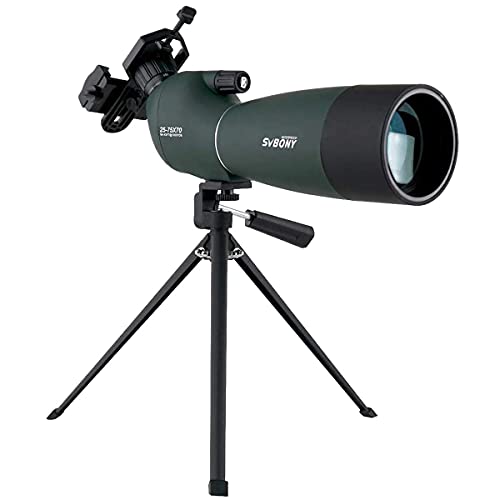
With 25-75x zoom capabilities and a 70mm objective lens, this setup provides good light gathering for early morning birding. The extendable leg design and included binocular adapter offer versatility across devices. Best for beginners seeking a budget-friendly, multi-use tripod; avoid if you require premium premium materials or extensive long-term rugged use.
Celestron TrailSeeker Tripod

Sturdy aluminum construction with a two-way fluid pan head and quick-release plate makes this tripod a solid all-around option for spotting scopes, binoculars, and cameras. Height from 18.9 to 70.5 inches supports ground-level to elevated viewing. Best for field use where reliable pan control matters; note that the four-section legs require proper setup for uneven ground.
Arsoer 69” Tripod for Binoculars & Camera

This aluminum tripod extends to 69 inches and includes a binocular adapter plus a rotating phone holder. A load-bearing hook adds stability in windy outdoor conditions, making it ideal for tall viewing setups. Choose this if you need a versatile mount for binoculars, spotting scopes, or phones; caution: ensure compatible screw standards with your devices.
Nietoto 2-in-1 Camera Tripod & Hunting Stand

A 360° rotatable V-Yoke rest and a 3/8″ screw enable rapid conversion between tripod and rifle-style shooting support. Height ranges from 16.5 to 68 inches, with a 26mm diameter aluminum leg design and a 33 lb load capacity. Best for shooters who also want spotting scope use; choose this with caution if you primarily need lightweight birding gear due to its heavier build.
Buying Guide: Choosing the Right Tripod
- Stability and Load Capacity: For birding with spotting scopes, look for sturdy aluminum legs, a broad base, and a load capacity that exceeds your gear’s weight.
- Height and Reach: Consider the maximum height and the folded length. Tall birds require higher setups; compact field trips benefit from foldable designs.
- Device Compatibility: Check 1/4″ screw compatibility and availability of adapters for binoculars, cameras, and phones.
- Portability vs. Durability: Weigh the need for lightweight travel against the advantages of a more robust build for windy or uneven ground.
- Head Type and Quick Release: A fluid pan head or 2-way head with a reliable quick-release plate speeds acclimation to different devices.
Recommended buying considerations
- Best for birding on varied terrain: choose a tripod with adjustable leg angles and a bubble level.
- Best for multi-device setups: look for included adapters and rotating phone holders.
- Best value: compare build quality, maximum extension, and weight-bearing capacity across models.
Frequently Asked Questions
- What should I look for in a birding tripod?
Key factors include stability, height range, ease of use, and compatibility with spotting scopes, binoculars, and mobile devices. - Is a taller tripod better for spotting scopes?
Taller tripods help when targeting distant birds on open terrain, but portability and wind resistance also matter. - Do all tripods fit 1/4-inch fittings?
Most do, but some adapters differ by brand. Check the screw type and depth before pairing with your gear. - What is a quick-release plate?
A plate that lets you attach and detach devices quickly. Ensure your tripod includes the plates you need. - Is a built-in bubble level important?
Yes, it helps keep the viewing angle horizontal in uneven environments, improving framing accuracy. - Can I use a phone with a spotting scope tripod?
Many tripods include a phone holder; verify the holder’s width range and compatibility with your phone model.