Answer: Ultralight sleeping pads offer compact packs, reliable comfort, and easy inflation for backpackers and campers who value weight, space, and warmth. The top picks below suit different needs: ultra-light hikers who crave minimal weight, cold-weather campers needing insulation, and travelers who prioritize quick setup. Each option balances weight, packed size, and comfort to help you sleep soundly outdoors.
Summary table of selected products:
| Product | Best For | Weight | Key Feature |
|---|---|---|---|
| Gear Doctors Ether 17.5oz Ultralight | Lightweight backpackers, comfort-first hikers | 17.5 oz | ErgoCushion comfort with 76″ x 25″ surface |
| Gear Doctors ApolloAir 5.2 | Compact packing with high warmth | 17 oz | 3.2″ thickness, 4-season insulation |
| TREKOLOGY Ultralight Backpacking Pad | Non-self-inflating option, budget-friendly | 26.5 oz | 4″ height with 75.2″ length |
| Oramoose 4in Ultralight Pad | Side sleepers needing lift | varies | V-Shape support, 30s inflate |
| Elegear 4” Thick Pad with 9 R-Value | Extreme cold-weather camping | varies | R-9 insulation for -40°C suitability |
Gear Doctors Ether 17.5oz Ultralight Sleeping Pad

The Gear Doctors Ether 17.5oz pad is a compact, high-comfort option designed for backpackers who value portability. When inflated, it measures up to 76” x 25” with ergonomic edges, maintaining support across the hips and shoulders. It supports up to 440 lb and includes a detachable foot pump sack plus an Anti-Leak Valve System for fast inflation and deflation. Best for: light-load hikers who still want a luxurious, bed-like feel. Caution: check the valve system if you expect frequent puncture-prone terrain, as field repairs may be needed.
FUN PAC Camping Sleeping Pad With Pillow

The FUN PAC pad emphasizes built-in comfort with an integrated pillow and a pressure-relieving egg-shaped air cell design. It inflates in 30–60 seconds via built-in pump and deflates quickly. It weighs and packs small, similar to a water bottle, making it ideal for hikers who want quick setup and minimal gear. Best for: solo travelers who want all-in-one comfort without carrying a separate pillow. Caution: the self-inflating mechanism can add a bit of bulk compared to the lightest mats.
Gear Doctors ApolloAir 5.2 Ultralight

The ApolloAir pad minimizes pack size while delivering a broad sleeping surface, with a 3.2″ thickness and a compact 8.5″ height when packed. It includes a Pump Sack and a quick inflate routine, offering a fast setup and reliable loft. Best for: backpackers who want a balance of warmth and compact packing. Caution: it includes 4 repair kits in the kit but field repairs require basic DIY skills.
TREKOLOGY Ultralight Backpacking Sleeping Pad
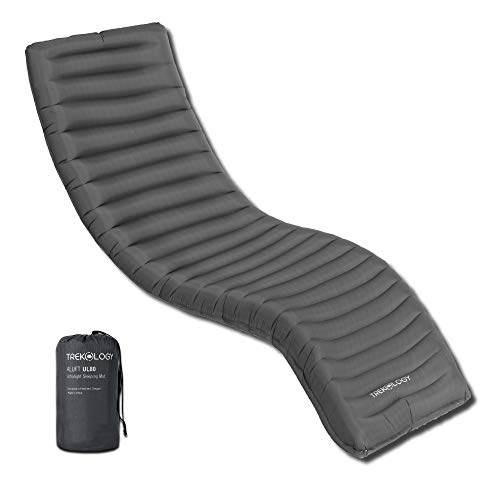
Treekology’s pad offers 4-inch loft with raised sides and S-curve channels to center you and lift you above the ground. At 75.2 inches long and 22.4 inches wide, it fits most adults and inflates by mouth or with a standard pump (sold separately). Best for: budget-conscious hikers who want a reliable, compact pad. Caution: not self-inflating, so it takes a bit longer to deploy in the field.
FlexRest Pro Insulated Sleeping Pad

The FlexRest Pro pad emphasizes premium warmth with an ASTM R-value of 4.9, suitable for cold-weather camping. It uses a lightweight, compact design to minimize pack weight while providing reliable insulation. Best for: winter campers and high-altitude treks who need dependable warmth in a compact form. Caution: higher warmth often comes with extra weight, so confirm your tolerance for bulk in your pack.
Buying Guide: Ultralight Sleeping Pad Essentials
What matters most when choosing an ultralight sleeping pad? Consider weight, packed size, insulation, and comfort. Weight determines how much you carry, while packed size affects how easily the pad fits inside your pack. Insulation is critical for warmth on cold nights, especially in damp or windy environments. Comfort depends on thickness, surface area, and shape. Decide between self-inflating options, built-in pumps, or simple inflation methods based on your terrain and trip length.
How thick should an ultralight pad be?
Thicker pads (2.5–4 inches) provide more cushioning and better barrier against ground heat loss, which helps in uneven terrain. However, thicker pads are heavier and bulkier. Balance comfort with weight according to the expected ground conditions and sleep position.
Is insulation important for all seasons?
Yes, especially on exposed ground or damp nights. Pads with high R-values (four-season or higher) keep your body away from cold ground and reduce heat loss. If you camp in mild weather, a lighter R-value may suffice, saving weight.
What inflation method fits best?
Self-inflating or built-in pumps provide quick setup and consistent loft, ideal for cold or windy conditions. Traditional pads inflating by mouth are light but require effort, especially in the dark or cold. Choose a method that minimizes effort for your typical trips.
How should I pack a sleeping pad?
Roll or deflate after use to maximize longevity. Most ultralight pads fit compactly into a corner of your backpack. Some pads come with a padded carry sack or pump sack that doubles as a dry bag; these options save space and add convenience.
What are common trade-offs?
High warmth and comfort often trade off with weight or packed size. Some pads offer excellent insulation but weigh more; lighter pads may sacrifice warmth and surface area. Identify your top priorities: warmth, weight, or ease of setup, and select accordingly.
Quick comparison at a glance
- Best overall warmth: Elegear 9-layer insulated pad (R-value 9).
- Best ultra-lightweight: Gear Doctors Ether and ApolloAir series.
- Best built-in comfort: FUN PAC with integrated pillow.
- Best value: TREKOLOGY ultralight pad.
FAQ
- What is an ultralight sleeping pad? A lightweight inflatable or self-inflating mat designed to provide sleeping comfort while minimizing pack weight and volume.
- Do ultralight pads have enough warmth for winter camping? Some pads offer high insulation (R-values up to 9). For extreme cold, choose a pad with high warmth and consider additional ground insulation.
- Can I repair a puncture in the field? Many pads include repair kits; minor punctures can often be patched with a kit or kit-specific adhesive.
- How long does it take to inflate an ultralight pad? Inflation times vary; foot-pump or built-in pumps can inflate in 30–90 seconds depending on model.
- Are self-inflating pads better than air-only pads? Self-inflating pads strike a balance between weight, setup time, and loft, but some hikers prefer air-only pads for maximum weight savings.
- What should I pack with my sleeping pad? A pump sack or inflation device, repairing tools, and a ground cloth or footprint can extend pad life and warmth.