Looking for a reliable vocal recording mic to suit your home studio needs? This guide highlights five top options that balance sound quality, versatility, and value for various recording scenarios—from podcasting and streaming to studio-grade vocal tracks. The picks include USB, XLR, dynamic, and condenser designs to help you choose what fits your setup best. Each option is described with who it’s best for and why it stands out.
| Product | Brand | Type | Best For |
|---|---|---|---|
| RØDE NT1 Signature Series Studio Condenser Microphone | Rode | Condenser (XLR) | Professional vocal tracks in treated rooms |
| Shure SM58S Pro XLR Dynamic Vocal Microphone | Shure | Dynamic (XLR) | Live performance, podcasts, and broadcasting |
| FIFINE T669 Studio Condenser USB Microphone | FIFINE | Condenser (USB) | Student or hobbyist podcasters and streamers |
| FIFINE AmpliGame AM8 USB/XLR Dynamic Microphone | FIFINE | Dynamic (USB/XLR dual) | Gamers and multi-use streaming setups |
| Shure SM58 Pro XLR Dynamic Vocal Microphone | Shure | Dynamic (XLR) | Standard vocal performances and general home studios |
RØDE NT1 Signature Series Studio Condenser Microphone
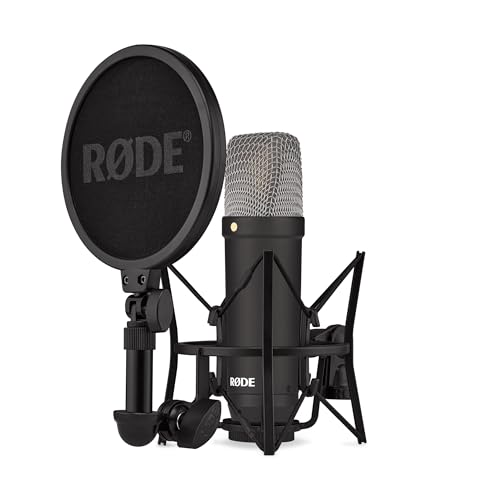
The NT1 Signature is a large-diaphragm condenser microphone celebrated for its ultra-low self-noise and studio-grade voicing. It comes as a complete vocal setup with shock mount, pop filter, and XLR cable, making it a strong choice for singers, voice-over artists, and home studios that have a treated space. Best for vocalists who want clean, detailed captures with minimal self-noise when paired with a quality preamp or interface. A potential limitation is the need for phantom power and separate audio interface for full usability, which adds setup steps for beginners.
What makes it stand out
- Low self-noise for quiet recordings
- Trusted NT1 studio voicing with wide dynamic range
- Includes essential accessories for immediate use
Shure SM58S Pro XLR Dynamic Vocal Microphone with On/Off Switch

The SM58S is a workhorse for live vocals and studio work alike. Its dynamic capsule emphasizes presence and warmth, with a tailored response that helps vocals cut through dense mixes. The built-in on/off switch adds convenience for live performances or recording sessions where you need quick control. Best for performers, podcasters, and voice actors who value reliability and a familiar, industry-standard tone. Limitation: dynamic mics generally require a separate audio interface or mixer to capture the signal in a digital workflow.
Key strengths
- Legendary vocal clarity with a warm midrange
- Reliable for live and studio settings
- Focused cardioid pickup reduces stage noise
FIFINE T669 Studio Condenser USB Microphone

The T669 is a USB condenser mic kit designed for easy plug-and-play setup. It includes a desktop arm and dual pop filter for clear vocal takes, making it suitable for beginners and hobbyists producing podcasts, vocals, or streaming content. Best for users who want a straightforward USB solution without extra gear. Caution: it requires USB connection and is not compatible with Xbox, which may affect console-based recording plans.
Why it fits beginner-friendly setups
- Wide frequency response for natural vocal capture
- Integrated boom arm and filters simplify desktop use
- USB connectivity minimizes hardware needs
FIFINE AmpliGame AM8 USB/XLR Dynamic Microphone

The AM8 offers dual USB and XLR connectivity, giving versatility for gamers and multi-use streamers. Its dynamic cardioid design helps reject background noise, which is advantageous for noisy home environments. Best for streamers who want a single mic that works with computers and can be upgraded to an XLR interface later. Limitation: USB mode can have feature constraints versus dedicated audio interfaces, and some RGB features are inactive in XLR mode.
Who should consider this
- Best for mixed-use setups needing quick USB streaming
- Fans of a robust build with optional XLR expansion
- Choose this if ease of use and upgradeability matter
Shure SM58 Pro XLR Dynamic Vocal Microphone

The SM58 Pro delivers a timeless vocal tone with a controlled cardioid pattern that minimizes feedback and background noise. It’s widely used across venues and studios, making it a dependable choice for home studios seeking a familiar, durable dynamic mic for voice work, podcasts, and singing. Best for performers and broadcasters who prioritize a road-tested sound. Limitation: requires an audio interface or mixer to interface with digital recording setups.
Core advantages
- Uniform cardioid pattern for focused vocal capture
- Proven track record on stages and in studios
- Simple, durable construction for long-term use
Buying Guide: Vocal Mic Buying Considerations
What should you evaluate when choosing a vocal mic for a home studio?
- USB vs. XLR: USB mics are plug-and-play and ideal for beginners; XLR mics require an audio interface but offer higher flexibility and potential for better sound through preamps.
- Condenser vs. Dynamic: Condensers capture more detail and are common in studios; dynamics handle loud sources and noisy environments better without extra gear.
- Pickup pattern: Cardioid mics focus on the front while rejecting sides and back; this helps confine the vocal signal in noisy rooms.
- Self-noise and headroom: Lower self-noise is better for quiet vocal takes, while higher headroom is valuable for loud performances.
- Accessories: Pop filters, shock mounts, and boom arms improve sound quality and usability. Consider bundled kits for value.
- Space and acoustics: Treated rooms improve condenser mic performance. If space is limited, a dynamic mic can be more forgiving.
- Future-proofing: If you plan to upgrade to an interface, choosing an XLR mic with a standard 3-pin XLR connector is a practical long-term choice.
FAQ
- What mic is best for a home studio on a budget?
USB condensers like FIFINE T669 offer easy setup at a lower cost while delivering solid vocal quality for podcasts and streaming.
- Should I choose a dynamic or condenser mic for home recording?
Condensers capture more detail and are common in studios when paired with proper acoustics; dynamics are better in untreated spaces and live settings.
- Do I need an audio interface for USB mics?
No. USB mics work directly with computers, but an interface is necessary for XLR mics to achieve higher-quality preamps and expandability.
- What is a good mic for streaming and gaming?
A USB dynamic or USB condenser mic with a cardioid pattern, like the FIFINE AmpliGame AM8, balances ease of use with decent audio quality.
- Is a pop filter essential?
Yes, pop filters reduce plosives and improve vocal clarity, especially for close-miked voices on podcasting and singing tracks.
- Can I mix dynamic and condenser mics in one setup?
Yes. You can use a dynamic mic for rough takes or live sessions and a condenser mic for detailed vocal tracks, provided your interface supports multiple inputs.