Answering the question “which wallet for bitcoin is best?” this guide highlights top hardware wallets and cold-storage options suited for different buyers. Ideal for long-term holders, privacy-focused users, and beginners seeking offline security, these picks emphasize private-key control, offline signing, and ease of use. The following table provides quick comparisons to help you decide which model fits your needs.
| Product | Best For | Key Benefit | Limitations |
|---|---|---|---|
| TANGEM Crypto Wallet Pack of 2 | Budget-aware collectors | 900+ blockchain support; backup keys | Single-card risk; reliance on physical card |
| ELLIPAL X Card | Offline-first users | 100% offline, no battery or charging | Import needed for existing wallets |
| Ledger Nano X | Active portfolio managers | Bluetooth enabled; 15,000+ assets | Bluetooth may raise security concerns for some |
| Trezor Safe 7 | Security-first with touchscreen | Dual-chip, quantum-ready | Higher cost; learns interface |
| Bitcoin Crypto Wallet by Burner | Beginner or gift options | Simple offline Bitcoin storage | No seed phrase or app support |
TANGEM Crypto Wallet Pack Of 2

The TANGEM Pack Of 2 delivers trusted cold storage with a hardware approach to private keys. Its EAL6+ security guards keys inside the chip, shielding them from online attackers. It supports 90 blockchains and provides access to 14,100+ coins and tokens, DeFi, NFTs, and staking directly from a connected phone. Best for users who want a paperless backup solution and quick access across many ecosystems. A key caution: if a card is lost, restoration is possible with backup keys, but ensure you keep the backup secure.
ELLIPAL X Card Crypto Wallet

The ELLIPAL X Card is a fully offline hardware wallet designed to store keys on an EAL6+ chip. It supports importing recovery phrases from other wallets, turning any existing wallet into a backup card. It operates without batteries or wireless connections, so it’s ideal for users prioritizing air-gap security. Best for: those who want to create a second, offline parallel wallet that mirrors an existing setup. Limitation: initial setup and import may require a recovery phrase or seed from another wallet.
Ledger Nano X
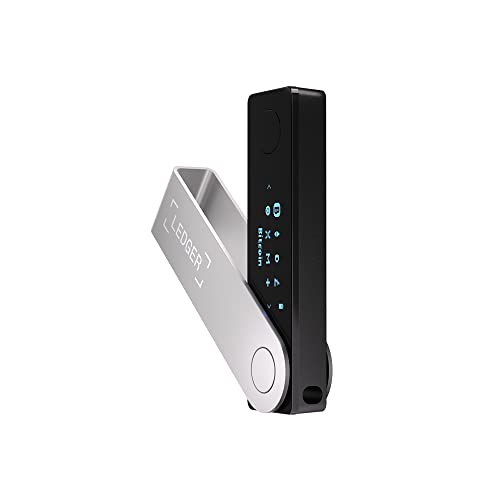
The Ledger Nano X combines a broad asset range with Bluetooth connectivity and an all-in-one Ledger Wallet app. It supports 15,000+ coins and tokens, with features for buying, selling, swapping, staking, and monitoring markets. Best for active portfolios needing convenient on-the-go management. Consideration: Bluetooth introduces a potential surface for wireless risk; use in trusted environments and disable when not needed. It’s better for users who want seamless mobile-to-wallet interaction.
Trezor Safe 7

The Trezor Safe 7 uses a dual-chip architecture, including a quantum-ready design and a high-resolution touchscreen for on-device confirmation. It supports thousands of coins and tokens and aims for transparency and strong defense against physical attacks. Best for security-forward users who want robust verification and a larger display. Limitation: higher price and a learning curve for new users navigating the interface.
Bitcoin Crypto Wallet — Burner Card

The Burner Bitcoin Crypto Wallet provides a simple offline option for beginners to store Bitcoin without a seed phrase or app. It’s designed for easy loading with a unique deposit address and offline safety. Best for first-time buyers or gift scenarios who want a straightforward cold-storage solution. Caution: lacks seed phrase or app integration, which can limit recovery options if the card is lost or damaged.
Buying Guide
What should you consider when choosing a bitcoin wallet?
- Security level: Hardware wallets with secure elements and offline operation minimize exposure to online threats.
- Ease of use: Display size, onboarding steps, and recovery options affect long-term usability.
- Asset coverage: Ensure the wallet supports the coins and tokens you own or plan to acquire.
- Backup and recovery: Look for smart backup features and seed phrase options if you prefer multiple recovery paths.
- Connectivity: Bluetooth, USB-C, or offline-only designs influence convenience and risk.
- Future-proofing: Quantum-ready or dual-chip architectures may provide longer-term resilience against emerging threats.
Common Scenarios
- Long-term storage: Prefer offline cold storage with a strong backup plan and minimal online exposure.
- Active management: Bluetooth-enabled devices or hot wallets paired with a secure app may suit frequent trading.
- Gift or beginner use: Simpler offline cards can ease entry for new users without seed phrases.
How To Choose The Right Wallet
- Define your risk tolerance: Offline, non-connected storage reduces hacks but adds recovery steps.
- Assess future needs: Whether you plan to expand to DeFi, NFTs, or many tokens affects wallet compatibility.
- Check usability: A more intuitive interface saves time and reduces errors during transfers.
FAQ
- Q: Is a hardware wallet safer than a software wallet? A: Yes, because private keys stay offline and are not exposed to internet threats.
- Q: Can I recover my funds if I lose my hardware wallet? A: Most wallets offer backup keys or seed phrases to restore access on a new device.
- Q: Do all wallets support Bitcoin? A: Most support Bitcoin; check each model for specific compatibility and token coverage.
- Q: Should I use Bluetooth with a hardware wallet? A: Bluetooth can add convenience but may introduce wireless risk; disable when not in use if security is a priority.
- Q: What is a seed phrase and why is it important? A: A seed phrase is a recovery method that helps you restore access if the device is lost or damaged.
- Q: Are quantum-ready wallets necessary now? A: They are future-facing; current security design remains the primary consideration for most users.