If you’re starting your piano journey, a weighted-keyboard that mimics an acoustic piano helps build touch, accuracy, and finger strength. This guide highlights five beginner-friendly options that emphasize 88 keys, realistic feel, and essential accessories. Ideal buyers: beginners who want a true piano feel, students preparing for classical pieces, and home players seeking easy setup and practice aids. The table below compares key details to help you choose quickly.
| Product | Why It Stands Out | Best For |
|---|---|---|
| Alesis 88 Key Keyboard Piano | 88 touch-sensitive keys, 480 sounds, built-in speakers, lesson content | Beginner players who want built-in learning features |
| Yamaha P71 88-Key | Acoustic-like weighted action, 10 Voices, simple controls | Players seeking a trusted, compact piano feel |
| Donner DEP-20 Beginner Digital Piano | Full-weighted 88 keys, 238 tones, 128-note polyphony | Students desiring versatile sounds and dual-voice modes |
| KUMENG 88 Key Weighted Keyboard | Full-size weighted keys, 800 tones, USB-MIDI | Beginners wanting broad sound options and USB-MIDI |
| MSTNE 88 Key Weighted With Accessories | Semi-weighted feel, bundled stand & bench, 128 tones | Those needing a complete starter kit |
Alesis 88 Key Keyboard Piano With 480 Sounds

The Alesis model is designed for beginners who want an all-in-one practice setup. It features 88 full-size, touch-sensitive keys to simulate an acoustic piano feel and built-in speakers for immediate play without extra gear. A large library of 480 sounds and 160 rhythms enables creative exploration, while one-touch demo songs provide guided practice. This option is best for learners who value a turnkey practice experience and built-in learning aids.
Who it’s best for: absolute beginners who want a portable, ready-to-play keyboard with a robust sound library. Limitations: heavy reliance on built-in features may reduce motivation to connect with external audio when ready.
88 Key Piano Keyboard By Jdfdexc

The Jdfdexc bundle emphasizes a comprehensive beginner setup with semi-weighted keys and a broad sound palette. It includes essential accessories such as a stand, power supply, sustain pedal, and Bluetooth connectivity for learning apps. The 128 voices and 80 demo songs offer variety for practice sessions and inspiration.
Who it’s best for: new players who want a complete starter kit with diverse tones and accessible learning tools. Limitations: semi-weighted keys are a middle ground that may not satisfy purists seeking full-weighted action.
Yamaha P71 88-Key Weighted Action Digital Piano

The Yamaha P71 offers a true weighted action that closely mirrors an acoustic piano, along with a handful of Voices for varied textures. It emphasizes ease of use with simple controls and reliable Yamaha sound quality. This model is ideal for players who want a compact, piano-like feel for classical practice or progression to an upright or grand.
Who it’s best for: players who want authentic hammer-action feel in a compact, dependable package. Limitations: fewer built-in features compared to larger bundles may require external peripherals for advanced practice.
Donner DEP-1S 88-Key Weighted Keyboard Bundle

The Donner DEP-1S is a compact setup featuring 88 velocity-sensitive keys with a weighted feel. It provides a realistic piano touch and include sustain pedal, stand, and accessories for a ready-to-practice kit. The keyboard supports various tones and a straightforward panel for quick sound changes.
Who it’s best for: beginners who want a visually appealing, all-in-one starter package. Limitations: some users may outgrow the bundled features as skill advances and may seek higher polyphony or more advanced voices.
KUMENG Digital Piano 88 Key Weighted Keyboard
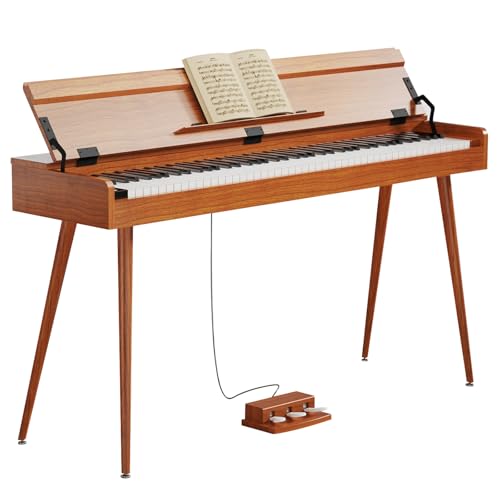
The KUMENG keyboard targets beginners who want a heavy, authentic-feel keybed with a wide sonic palette. It features 88 weighted keys, 800 tones, 128 polyphony, and USB-MIDI for computer or tablet integration. The multi-function panel helps new players explore tones, rhythm options, and practice modes.
Who it’s best for: learners who plan to connect to apps or software for guided lessons. Limitations: more features can require a longer setup time for new users.
MSTNE 88 Key Weighted Keyboard With Accessories

The MSTNE bundle emphasizes a complete starter kit with a double-X stand, bench, case, sustain pedal, headphones, and stickers. The 88-key weighted keyboard provides a semi-weighted feel, good for beginners building technique. It includes 128 tones, 128 rhythm patterns, and 64-note polyphony for varied practice.
Who it’s best for: beginners seeking a convenient, all-in-one package. Limitations: semi-weighted keys may not satisfy players pursuing full hammer-action realism.
Buying Guide: How To Choose A Beginner-Friendly Weighted Keyboard
- Key action: Decide between weighted vs semi-weighted. Weighted keys closely mimic an acoustic piano and develop touch accuracy, while semi-weighted keys offer a lighter feel that can reduce fatigue for beginners.
- Key count and size: Look for 88 full-size keys to train proper technique from the start. Some compact models use fewer keys but may limit repertoire.
- Polyphony: Polyphony indicates how many notes can be played simultaneously. 64 to 128-note polyphony is a practical baseline for beginners practicing chords and sustained notes.
- Tone library and voices: A broader sound library supports exploring different genres and practice scenarios. Balance tone variety with ease of use.
- Bundled accessories: Stands, benches, pedals, and headphones reduce setup friction. Evaluate whether you’ll need these in addition to the keyboard.
- Connectivity: USB-MIDI or Bluetooth helps connect to learning apps and recording software, useful for progress tracking and theory practice.
- Portability and setup: If you’ll move the instrument often, consider weight, size, and included carrying options.
- Learning features: Built-in demos, lesson modes, and metronomes can accelerate initial progress for absolute beginners.
FAQ
- What is the advantage of 88 weighted keys for beginners? It trains finger strength and dynamic control similar to an acoustic piano, easing later transition to traditional pianos.
- Should I choose a bundle or buy separate accessories? Bundles can lower upfront setup work and price, but ensure the included items meet your needs as you progress.
- Is polyphony important for beginners? Yes, 64+ notes accommodate chords and sustaining melodies, reducing note cutoffs during practice.
- Can I use a digital piano with learning apps? Yes, USB-MIDI or Bluetooth connections enable apps and computer software for lessons and recording.
- What is the difference between weighted and semi-weighted keyboards? Weighted keys simulate piano hammer action; semi-weighted keys provide a lighter touch with adjustable feel on some models.
- Do I need a stand, bench, or headphones? These essentials support posture, practice duration, and privacy, especially in shared spaces.