Answering the need for clear, long-reach wildlife shots, these lenses cover versatile zoom ranges, strong stabilization, and compatibility across Canon and Sony mirrorless and DSLR systems. Ideal buyers include wildlife shooters who want reach without bulky gear, nature photographers needing sharpness at distance, and beginners seeking reliable all-around telephoto performance.
Summary of selected products:
| Product | Focal Range | Best For | Notes |
|---|---|---|---|
| Canon RF100-400mm F5.6-8 IS USM | 100-400mm | Canon EOS R Series users needing a compact telezoom | IS up to 5.5 stops; IBIS pairing improves stability |
| Canon RF200-800mm F6.3-9 IS USM | 200-800mm | Wildlife at distance with flexible zoom | Extremely long reach; compatible with RF extenders |
| Sony FE 200-600mm f/5.6-6.3 G OSS | 200-600mm | Sony full-frame wildlife and sports | Excellent resolution across zoom; built-in OSS |
| Canon RF100-500mm F4.5-7.1 L IS USM | 100-500mm | All-around wildlife with solid IS | Tip-edge L-series performance; multiple IS modes |
| Canon EF 75-300mm f/4-5.6 III | 75-300mm | Budget-friendly wildlife on Canon DSLRs | Lightweight; basic zoom with standard autofocus |
Canon RF100-400mm F5.6-8 IS USM Telephoto Lens

This compact telephoto zoom spans 100-400mm, ideal for wildlife close-ups and general fieldwork with Canon EOS R-series cameras. Best for photographers who want lightweight travel-friendly gear without sacrificing focal length. Image stabilization helps in handholding at longer distances.
Best for: Canon mirrorless shooters who need a versatile, travel-ready telephoto option. Limitation: slower aperture at the long end may affect low-light performance.
Canon RF200-800mm F6.3-9 IS USM Super-Telephoto Zoom

With an 200-800mm reach, this lens is built for distant subjects like birds or large mammals. The ability to pair extenders expands flexibility across focal lengths. It suits wildlife shooters who want substantial reach while maintaining handheld usability.
Best for: Wildlife photographers needing extreme reach in a single lens. Caution: heavier than standard telezooms; balance is essential on lighter bodies.
Sony FE 200-600mm f/5.6-6.3 G OSS
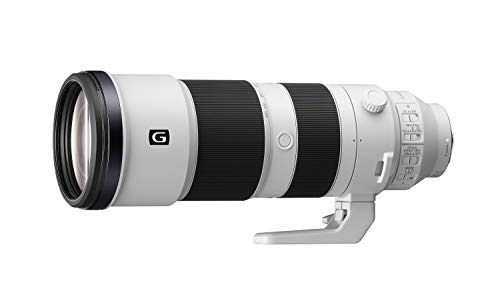
Designed for Sony E-mount full-frame bodies, this lens delivers sharp resolution across the zoom range with optical stabilization. It’s a strong choice for nature and wildlife shooters who require long reach without switching to teleconverters.
Best for: Sony shooters seeking a well-rounded, long-reaching telephoto option. Limitation: autofocus performance is highly dependent on body compatibility and firmware.
Canon RF100-500mm F4.5-7.1 L IS USM

This L-series telephoto zoom blends reach with professional build quality. Stabilization supports three modes for standard, panning, and exposure-specific situations. It’s best for Canon mirrorless shooters who want top-tier optics in a mid-to-long zoom range.
Best for: Canon EOS R-series users needing reliable every-day wildlife performance. Caution: heavier than entry-level telephotos and may require careful handling in open-field shoots.
Canon EF 75-300mm f/4-5.6 III Telephoto Zoom

A budget-friendly option for Canon DSLRs, this lens covers mid-to-long telephoto needs for beginner wildlife shooters or casual field photographers. The zoom range is versatile for general nature subjects.
Best for: Beginners or budget-conscious shooters. Limitation: slower apertures and basic performance compared with high-end telephotos.
Buying Guide
What focal length do you need for wildlife?
Shorter telephotos (100-400mm) are versatile for closer wildlife or subjects at moderate distance. Ultra-telephotos (200-800mm or 300-600mm) provide more subject isolation and reach for birds and distant animals, but are heavier and pricier.
How important is stabilization?
Stabilization helps in handheld shooting, especially at long focal lengths. L-Series performers often offer multiple IS modes, while some non-Canon/Sony lenses rely on camera IBIS for stabilization when available.
Which camera system are you using?
Match the lens to your camera line. Canon RF lenses pair with EOS R mirrorless bodies; Sony FE lenses align with Sony Alpha bodies. Some third-party or legacy EF/DSLR lenses require adapters or are system-specific.
Weight and handling considerations
Long telephotos can be heavy, increasing fatigue during long shoots. Consider monopods, tripods, or lens supports for extended sessions. Balance with the camera body to maintain steady shots.
Budget vs. performance
Entry-level telephotos offer essential reach at lower costs but often trade peak sharpness and autofocus speed. High-end L-series or GM variants provide superior optics and stabilization but at a higher price.
Compatibility with extenders
Some lenses, like the RF 200-800mm, support extenders to increase reach. Check compatibility with your camera system and potential autofocusing impact before adding teleconverters.
FAQ
- What is the best lens for wildlife on a Canon EOS R body? The Canon RF100-400mm or RF100-500mm are strong all-around choices, balancing reach, weight, and stabilization for Canon mirrorless cameras.
- Do I need an extender with a long telephoto? Extenders increase reach but can reduce autofocus speed and brightness; ensure your camera and lens support the extension without compromising performance.
- Is a prime tele lens better than a zoom for wildlife? Primes can offer sharper image quality and faster apertures, but zoom lenses provide flexibility to frame subjects at varying distances without changing positions.
- How important is image stabilization for wildlife shots? Very important, especially at long focal lengths where small movements are magnified. Use lenses with robust IS or combine with camera IBIS when supported.
- Can I shoot wildlife with budget telephotos? Yes, for casual wildlife shooting or beginners, but expect compromises on sharpness, autofocus speed, and minimum focusing distance compared to premium telephotos.