Looking for portable windbreakers that shield you from the breeze while camping? This guide highlights five practical options that balance light weight, portability, and protection. Each product is suited for different types of campers—from solo hikers needing packable shelter to families setting up a tent city at the campground. Below you’ll find clear takeaways on who each option is best for, plus a quick comparison table to help you decide at a glance.
| Product | Best For | Key Benefit | Notable Limitation |
|---|---|---|---|
| Windbreaker 5-Panel Privacy Screen (Forest Green) | Light travelers | Very light with carry bag | Long 27.4 ft length may be unwieldy indoors |
| Windbreaker 5-Panel Privacy Screen (Stone Grey) | Stone or neutral setups | Light, easy transport | Similar size to Forest Green |
| 3-Panel Windbreaker Privacy Screen (Forest Green) | Smaller spaces | Compact 197″ x 60″ | Fewer panels for privacy |
| COOFANDY Packable Rain Jacket (Dark Blue) | Active outdoor trips | Waterproof, ultralight, packable | Jacket, not a screen |
| COOFANDY Lightweight Hooded Rain Jacket (Army Green) | Travelers needing hood | Breathable, windproof with hood | Minimal shielding compared to screens |
Windbreaker Wind Privacy Screen 5-Panel (Forest Green)

This five-panel windscreen is designed for easy transport and quick setup, offering a high 5 ft privacy screen extended to about 27.4 ft when laid out. Best for campers who want a lightweight, portable barrier around a camp chair or a small cooking area. The product is described as very light and includes a carry bag for convenient packing. Suitable for solo campers or couples looking to create a wind-protected zone without a full tent enclosure.
Who it’s best for: hikers or campers needing a temporary windbreak without adding significant bulk to a pack. Why selected: its long, continuous barrier provides flexible shielding from gusty winds, making it ideal for sit-and-relax zones or shade-protected spaces.
Caution: The length means it can catch wind in strong conditions; stake or weight the edges to maintain stability. Do not rely on it as a full shelter in severe weather.
Windbreaker Privacy Screen 5-Panel (Stone Grey)

This stone grey variant mirrors the Forest Green model with the same light design and carry bag, offering a versatile color option for mixed terrain or urban-style campsites. The five-panel layout helps create wind barriers around seating areas or a small dining nook. It’s particularly useful for campers who want quick setup and easy storage after use.
Who it’s best for: campers who value a low-profile, easy-to-carry windbreak and prefer neutral colors to blend with surroundings. Why selected: identical build quality and functionality with an aesthetic alternative for matching terrain or gear.
Caution: Like other screens, stability depends on wind conditions and anchoring; consider adding stakes or weights in open areas.
Freshnewlooks 3-Panel Windbreaker Privacy Screen (Forest Green)
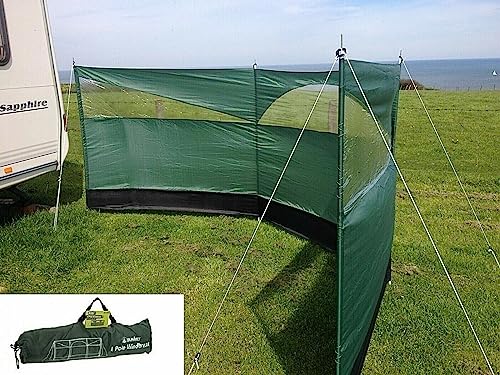
This three-panel windbreak offers a more compact footprint with a size listed as 197″ x 60″. It’s designed for lighter use, making it ideal for smaller tents, couple camping setups, or a portable sun and wind shield near the camp stove. The product emphasizes ultra-light construction and easy transport via carry bag with hang tag features.
Who it’s best for: campers who need a smaller barrier and easier packing for road trips. Why selected: it fills a niche for tight spaces while still delivering wind protection and portability.
Caution: Fewer panels can reduce privacy and wind coverage; best used as a partial barrier rather than a full wind shield in gusty areas.
COOFANDY Packable Rain Jacket For Men (Dark Blue)

This jacket emphasizes waterproofing and breathability, combining a lightweight build (packable into its own pocket) with a hood and adjustable features. It’s ideal for hikers and travelers who want a windproof layer that can be worn or stowed away quickly. It’s not a windbreak screen, but it serves well as a versatile outer layer in changing conditions.
Who it’s best for: outdoor enthusiasts seeking an ultralight, compressible jacket to guard against wind and rain. Why selected: its packable design and reliable waterproof/breathable fabric suit active days on trails or campsites.
Caution: While protective against wind and rain, it does not provide the same privacy or large-scale wind coverage as a screen.
COOFANDY Lightweight Hooded Rain Jacket (Army Green)

This hooded windproof rain jacket focuses on breathability and wind protection with a practical hood and adjustable drawstring. It’s designed for travel, offering a classic, functional design in a durable fabric. It fits well for campers who expect varied weather and need a protective outer layer without heavy bulk.
Who it’s best for: travelers who want reliable wind and rain protection in a compact, easy-to-carry jacket. Why selected: it combines comfort, hooded protection, and packability for on-the-go camping or trekking.
Caution: While it provides wind resistance and rain protection, it doesn’t substitute a dedicated shelter in heavy storm conditions.
Buying Guide
- What type of wind protection do you need? Screens provide privacy and a barrier for a specific area, while jackets offer personal wind protection and weather protection during movement.
- How important is packability? If you hike or backpack, prioritize ultralight designs and those that fold into pockets or carry bags.
- Where will you use it? For open campsites, a longer wind break can shield seating areas; for dense forests or car camping, smaller panels may suffice.
- Material and weather performance: Waterproof or water-resistant fabrics help in light rain; breathable materials reduce heat buildup during exertion.
- Durability and setup: Consider how many panels you’ll need and how stable the structure remains in wind. Stakes or weights can improve stability for screens.
- Color and visibility: Neutral colors blend with surroundings, while bright tones can improve visibility and safety at a site.
FAQ
- What is the main use of a windbreaker screen for camping? It creates a wind-safe zone around seating or cooking areas and adds privacy without a full shelter.
- Are windbreaker screens waterproof? Most screens are not designed to be waterproof; they protect against wind and light dust but are best used with a tarp in heavy rain.
- Do these jackets replace a tent or tarp? No, jackets shield the wearer; screens provide area protection but do not replace a shelter.
- Which option is best for backpacking? Look for ultralight, packable jackets or compact screens with included carry bags for easy transport.
- Can I use a windbreaker screen in a windy area? Yes, but secure edges with stakes or weights to prevent it from moving or collapsing in gusts.
- Which is better for family camping: jacket or screen? Screens are better for creating common wind-protected areas, while jackets are best for individual guardians against wind and cold.