Here’s a clear, buyer-friendly guide to the best neoprene glues for wetsuits, waders, and water sports gear. This selection prioritizes flexible, waterproof bonds that move with your gear. Ideal shoppers include divers, surfers, anglers, and weather-at-play enthusiasts who need quick, reliable repairs in the field or at home. The following table highlights five top options and their key strengths to help you compare quickly.
| Product | Best For | Why Choose |
|---|---|---|
| GEAR AID Aquaseal NEO Contact Cement for Neoprene | Wetsuits and neoprene gear | Fast, black, flexible repair that lasts up to high-wear areas |
| GEAR AID Aquaseal NEO Neoprene Contact Cement (4 fl oz) | Large repairs and multiple items | Strong, stretchy bond suitable for wide Neoprene and coated fabrics |
| EIGTWEN 120ml Wetsuit Repair Kit | Beginner and on-site repairs | Waterproof, saltwater resistant, works in damp conditions |
| Bondtech Wader Repair Kit (2.12oz) | Waders and jackets | Flexible, abrasion-resistant, nearly invisible repairs |
| Wonshine Contact Cement Adhesive (4.16 Oz) | Footwear and accessories | Built-in brush, strong, flexible bond for multiple materials |
GEAR AID Aquaseal NEO Contact Cement for Neoprene and Wetsuit Repair
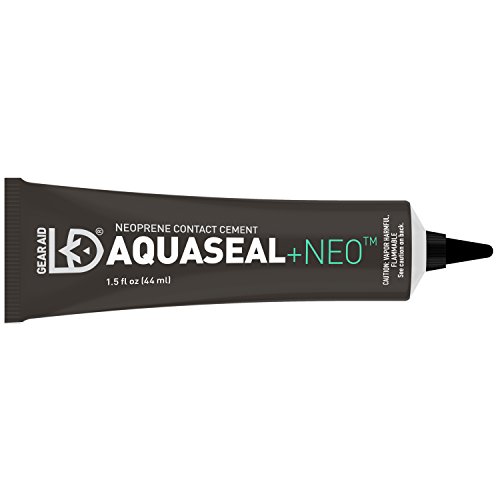
Fast, permanent repairs are the core benefit. This contact cement cures to a black, flexible rubber that stretches with your neoprene gear. Use on high-wear areas like knees and elbows for durable patches. It is suitable for wetsuits, gloves, booties, drysuits, and spray skirts. Best for: repair professionals and athletes needing reliable, lasting fixes in 30 minutes.
Best for rental fleets and frequent travelers who want a compact, quick-dry solution. Cures are dependent on ambient conditions but the product emphasizes long-lasting elasticity even after repeated flexing. Cautions include ensuring clean, dry surfaces for best adhesion and avoiding oversaturation on thin fabrics.
GEAR AID Aquaseal FD Flexible Durable Repair Adhesive

FD is designed for a broad range of repairs, including tears in waders, wetsuits, PVC inflatables, and other outdoor gear. It cures to a flexible urethane rubber and creates a water-tight seal that resists peeling and cracking over time. Best for: individuals repairing multiple gear types, including coated fabrics and non-neoprene textiles. Limitations include drying time (8-12 hours) and the need for clean surfaces prior to application.
Why it stands out: strong water resistance and broad material compatibility. Choose this if you need a single adhesive that tackles multiple gear repairs beyond neoprene.
GEAR AID Aquaseal NEO Neoprene Contact Cement

This 4-ounce neoprene-focused cement is built for fast, permanent repairs on wetsuits, waders, and broader neoprene gear. It cures black, remains flexible, and bonds to latex and coated fabrics. Best for: high-wear fixes on knees, elbows, cuffs, and other areas that bend and stretch. A noted limitation is the necessity for adequate curing time in a controlled environment, and it’s most effective when surfaces are prepped clean and dry.
Bondtech Rubber Glue 30 g for Neoprene and More

Bondtech’s rubber adhesive is designed for strong, quick bonds across rubber-to-rubber, rubber-to-plastic, and other combinations. It’s suitable for neoprene repairs and small, precision work thanks to multiple droppers with narrow tips. Best for: careful color-matching repairs on small patches or seams where precision matters. Limitation: the droppers can clog if not stored or used properly; ensure proper maintenance to sustain usability.
EIGTWEN 120ml Wetsuit Repair Kit

This kit focuses on wetsuits, extending to gloves and boots, with a glue that bonds strongly while remaining flexible. It’s designed to resist saltwater and daily wear, delivering a reliable waterproof barrier. Best for: divers and surfers who repair at the beach or after a dive. Caution: works best when the kit is used with appropriate surface prep and proper curing conditions to avoid stiff patches.
Bondtech Wader Repair Kit (2.12oz)

This kit offers a flexible, abrasion-resistant seal that remains water-resistant after curing. It’s ideal for repairing waders, neoprene jackets, and boots that endure bending and stretching. Best for: anglers and boaters who need long-lasting, nearly invisible repairs. It’s worth noting that curing times can extend based on humidity and temperature, which can affect on-site usability.
Wonshine Contact Cement Adhesive with Brush

This high-performance neoprene contact cement includes a built-in brush for precise application and clean bonding. It delivers a strong and flexible bond suitable for shoes, leather, wood, and neoprene repairs. Best for: quick fixes in tight or awkward spaces. Caution: brush-based application requires careful cleanup to maintain consistent adhesion across patches.
Buying Guide
What actually matters for neoprene glue: material compatibility, bond strength, curing time, and flexibility after curing. For high-mear areas on wetsuits, choose a neoprene-specific contact cement that cures to a stretchable rubber. For broader gear repairs, option fd or all-purpose adhesives with good water resistance may be preferable. Surface prep—clean, dry, and free of oils—significantly affects adhesion. Storage and curing temperature can influence results; always follow product directions for best outcomes.
Key questions to consider
- What gear will you repair most often (wetsuits, waders, boots, gloves)?
- Do you need on-site repairs or are you okay with slower curing times?
- Is invisibility of the patch important for aesthetics?
- Do you need adhesive compatible with multiple materials beyond neoprene?
- How important is flexibility after curing for your activity?
Materials and compatibility overview
- Neoprene-focused cements: Best for wetsuits and neoprene gear; deliver flexible, durable bonds.
- Multi-material adhesives: Useful when repairing gear with coatings or fabric blends; may require longer curing times.
- Waterproof and saltwater resistance: Essential for ocean and lake use; ensures long-lasting performance.
Application tips
- Work in a well-ventilated area; wear gloves to avoid skin contact with solvents.
- Apply in thin, even layers and allow adequate curing time per product directions.
- Test bond on a small area first when dealing with new materials.
FAQ
- Q: Can neoprene glue be used on leather or PVC? A: Some formulas are designed for multiple materials, including neoprene, leather, and vinyl; check the product’s compatibility list before applying.
- Q: How long does neoprene glue take to cure? A: Curing times vary by product; some set in minutes while others require several hours or a full day for full strength.
- Q: Will repairs be waterproof after curing? A: Most neoprene adhesives form a water-resistant to waterproof bond, but ensure proper prep and curing for best results.
- Q: Are there any surface preparation steps I should follow? A: Yes. Clean, dry, and degrease surfaces; roughen glossy areas lightly for better adhesion.
- Q: Is a sealant needed after applying neoprene glue? A: In many cases, the adhesive itself provides adequate sealing; sealants are optional for extra water resistance on certain repairs.