Answering the need for sharp, low-light video and photo capability, these cameras excel in dim environments. The top picks are best for vloggers, security-minded users, and hobbyists who shoot in twilight, indoors with ambient lighting, or underwater and action settings. Below is a quick summary to compare key options and guide your choice.
| Product | Low Light Capabilities | Best For |
|---|---|---|
| DJI Osmo Action 4 Essential Combo | 1/1.3″ sensor, strong color accuracy | Outdoor action and snorkeling |
| Arducam 1080P Low Light USB Camera | 0.001Lux, 160° FOV | Indoor surveillance and wide views |
| IFWATER Starvis Ultra Low Light USB Camera | 0.0001 Lux, true color | Night monitoring and macro detail |
| Arducam 1080P Low Light WDR USB Camera | 80dB WDR, 0.001Lux | Security and dim environments |
| Arducam Raspberry Pi 4K Low Light Camera | STARVIS IMX415 sensors | Raspberry Pi projects and DIY vision |
Note: Each product section provides practical guidance on who gains the most—travel shooters, home security setups, or hobbyists—while highlighting any limitations to consider before purchase.
DJI Osmo Action 4 Essential Combo
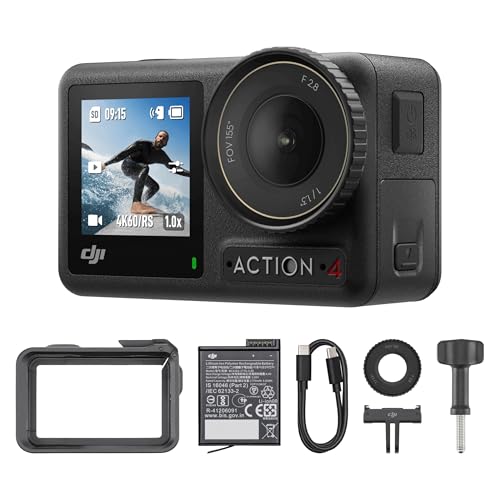
Best for: Outdoor adventures and underwater scenes. The 1/1.3-inch sensor and advanced color science deliver clean 4K footage with reduced grain in low light. The autoflow and D-Log M options help preserve detail for post-production.
Why selected: Superior low-light performance combined with a wide 155° field of view enables immersive action footage with minimal cropping. The waterproof design supports use in damp or underwater environments.
Caution: High dynamic range can introduce slight color grading needs in very dark scenes; color profiles should be chosen to maximize shadow detail.
Arducam 1080P Low Light USB Camera

Best for: Desktop surveillance, conference rooms, and wide-area monitoring. It uses a 2MP IMX291 sensor with 120° wide view and can capture video with audio.
Why selected: The combination of ultra-wide angle and exceptional low-light sensitivity makes it a practical choice when you need broad coverage in dim settings.
Caution: For bright indoor lighting, ensure exposure settings are adjusted to prevent clipping in highlights.
IFWATER Starvis Ultra Low Light USB Camera

Best for: 24/7 surveillance, home security, and dark-room monitoring. This camera provides vivid color in near-total darkness with an upgraded H.264 pipeline and HDR support.
Why selected: The 0.0001 Lux sensitivity enables clear color images when lighting is minimal, and the 3x optical zoom lets you frame subjects tightly without moving the camera.
Caution: The lens is manual zoom; you’ll need to adjust focus by hand to keep subjects sharp at different distances.
Arducam 1080P Low Light WDR USB Camera

Best for: Security setups and dimly lit workspaces requiring wide dynamic range. The 80dB WDR helps balance bright and dark regions in the same frame.
Why selected: The wide dynamic range reduces harsh shadows and blown highlights, making it easier to identify details in challenging lighting.
Caution: For best results in extremely low light, consider supplementing with ambient lighting or IR illumination as needed.
Arducam Raspberry Pi 4K Low Light Camera
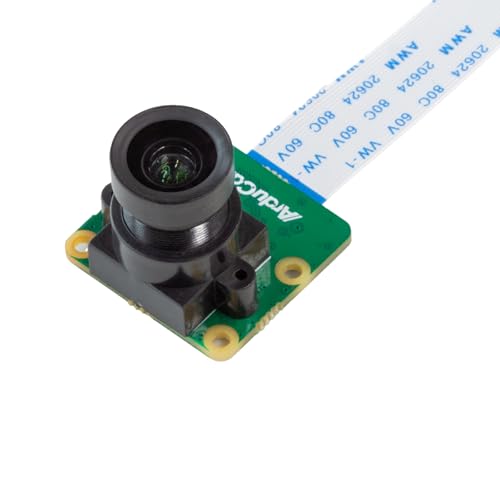
Best for: DIY projects, Raspberry Pi enthusiasts, and development of vision-based experiments in low light. It uses the STARVIS IMX415 sensor for clearer night imagery.
Why selected: High-resolution 4K imaging with good low-light performance makes it suitable for creative projects and custom camera builds.
Caution: This is a specialized module; it may require software setup and kernel compatibility with the Raspberry Pi system you’re using.
Buying Guide
What should you ask before buying a low-light camera?
- What is the usable sensor size and pixel pitch for low-light performance?
- Does the camera offer HDR or WDR to balance bright and dark areas?
- Is there a fixed lens or a zoom that preserves image quality in dim light?
- What connectivity options are available (USB, HDMI, Wi-Fi) and do they fit your workflow?
- What type of stabilization or anti-shake features help in low-light video?
Practical Considerations
- Low-light sensitivity (Lux rating) and whether the camera captures true color in near-dark conditions.
- Dynamic range to prevent blown highlights and crushed shadows in mixed lighting.
- Portability and form factor for travel or desk setups.
- Software support and compatibility with your editing or streaming workflow.
FAQ
- What camera is best for low-light vlogging?
Consider models with large sensors, good color science, and a wide aperture. The DJI Osmo Action 4 excels in outdoor lighting and underwater scenarios, with color-accurate footage in dim environments.
- Do USB cameras work well for security in low light?
Yes, especially cameras with low lux sensitivity and WDR/HDR features, like Arducam low-light USB models, which balance bright and dark areas in the frame.
- Is 4K necessary for low-light footage?
4K provides more detail when the scene is well-lit; in very dark scenes, noise reduction and sensor performance matter more than resolution.
- Can these cameras be used as webcams?
Many offer USB webcam modes or compatible software; check the product features for direct streaming or required drivers.
- What is the advantage of Starvis sensors?
Starvis sensors deliver better color and detail in low-light conditions compared to standard sensors, enhancing night imagery.
- Do these cameras require special software to maximize low-light performance?
Some require specific drivers or camera libraries; consult manufacturer guidelines for setup and optimization.